Wednesday, 24 October 2018 12:39

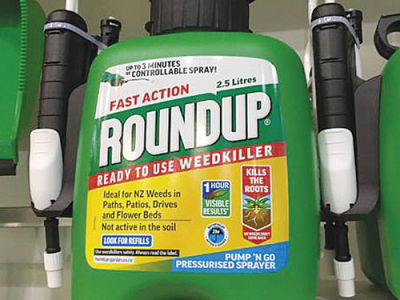
US case heats up Roundup debate

Written by  Mark Daniel
6.1 billion kg of Roundup has been applied globally during the last decade alone. 6.1 billion kg of Roundup has been applied globally during the last decade alone.

The great Roundup debacle keeps on with the pro and con lobbies arguing for or against continued use of the herbicide.

Roundup has been sold for at least 40 years, and 6.1 billion kg of the chemical has been applied globally during the last decade alone.

In 2016, the International Agency for Research on Cancer (IARC), part of the World Health Organisation, re-classified glyphosate (the active ingredient) as a possible human carcinogen. This created a furore and demands for its banning.

By contrast, international regulatory authorities have given the product the ‘green light’ for continued supply; these include the EU’s Chemical Agency Committee for Risk assessment, the Australian Pesticides and Veterinary Medicines Authority and the US Environmental Protection Agency.

Locally, the New Zealand Environmental Protection Agency responded to a call by Associate Minister for the Environment Eugenie Sage to have the product listed as a dangerous substance: it pointed her to a study by toxicologist Dr Wayne Temple who said “the product is unlikely to be harmful to humans or genotoxic, i.e. damaging to genetic material or DNA”.

And recently, a San Francisco jury has re-kindled the debate with a judgement ordering Monsanto to pay US$289 million to former groundsman Dewayne Johnson, who claimed that prolonged exposure to the product had caused his incurable non-Hodgkin’s lymphoma. Monsanto is trying to get this judgement overturned on the basis that scientific studies that helped the finding didn’t prove Roundup caused the cancer. The company claims the findings of the jury are at odds with over “40 years of real-world use of glyphosate-based herbicides”.

Business analysts in the US say the size of the award – US$39 million to Johnson to compensate for the cancer he contracted at the age of 42 and a UD$250 million punitive hit on Monsanto – was “so excessive that it shocks the conscience”. 

More like this

Carrfields Marks 50 Years as Rural Health Programme Grows

Celebrating 50 years in the rural landscape of Central Canterbury and beyond, Ashburton-based Carrfields, has been the exemplar for all aspects of modern agriculture via its extensive range of services including supply, growing, agronomic advice and marketing.

RSE workers get immunised

Over 1,000 Recognised Seasonal Employer (RSE) workers in the Hawke’s Bay have now been immunised against measles.

Featured

Carrfields Marks 50 Years as Rural Health Programme Grows

Celebrating 50 years in the rural landscape of Central Canterbury and beyond, Ashburton-based Carrfields, has been the exemplar for all aspects of modern agriculture via its extensive range of services including supply, growing, agronomic advice and marketing.

Taupiri Farmers Chase Ownership After Awards Success

For Taupiri dairy farmers Logan and Sian Dawson, their involvement in the NZ Dairy Industry Awards has been a key catalyst in the growth of their business - the experience helping shape how they approach the farm ownership pathway they are pursuing today.

Ballance Urges Farmers to Plan Ahead for El Niño

With forecasters advising El Niño conditions will develop through winter and strengthen into spring and summer, Ballance Agri-Nutrients is encouraging farmers and growers to think ahead about nutrient planning and be prepared to work around challenging weather conditions.

National

Machinery & Products

» Latest Print Issues Online

The Hound

'LinkedIn Greens'

OPINION: The same mainstream media muppets that brought you Jacindamania in 2017 have been flat out pimping for the Opportunities…

UK Warning

OPINION: Your old mate reckons the atrocious way farmers in the UK are treated by their lords and masters in…

» Connect with Rural News

» eNewsletter

Subscribe to our weekly newsletter