Claas Balers Turn 30
Claas built its first variable chamber round baler - the Variant 100 - in 1996, so 2026 marks 30 years and the fifth generation of the Variant name, recently complemented by the new Cerex Series introduced in 2025.




 increase font size
 Taranaki-based contractor Andy Hey started his business back in 2004 with two John Deere machine that today has grown to a fleet of 15 green machines.
Based on a 220- head dairy farm near Stratford, and with a good knowledge – gathered first-hand – of the region’s agriculture sector, Hey Harvesting is owned and operated by Andy and Rebecca Hey.
Starting from a humble beginning in 2004 with two John Deere machines, today’s fleet runs to an impressive line-up of 15 dark green and yellow units. They include a 1750, a Range of 6 series from a 6410 through to the latest 6230R and a trio of 7530’s.
Offering a multitude of on-farm services, which includes maize and cereal crop harvesting and small-seed planting, 95% of the Hey’s customer base are dairy enterprises. Therefore, efficient silage and haybaling is imperative, a reason that drew Andy Hey to John Deere products.
“Being a dairy farmer myself, I have high expectations around the quality and pace of work we provide and know we must be as productive as possible,” he explains. “We turned to John Deere balers as they have been consistent and reliable.”
In October last year the silage and hay equipment line-up was boosted by the arrival MARK DANIEL This email address is being protected from spambots. You need JavaScript enabled to view it. of a John Deere V451R Variable Chamber Baler to complement the 960 Variable Round Baler already in the field.
Featuring a 2.2m wide feeding system and a high-capacity rotor, with a 480 mm diameter converging auger, the V451R is said to be capable of producing more than a bale a minute – a level of production Hey says is “exactly where we need to be”.
Durability is also important as the Taranaki dairy sector sprawls across a range of land types, from rolling and steep hill country to peaty loams.
“We have found our balers can follow the ground quite easily and required very little maintenance in terms of repairs,” he adds.
Although the silage and hay equipment is parked in the shed during the off season, diversification has also been a key to the couple’s success.
This – alongside the dairy and harvesting enterprises – sees them operating a quarry to supply material for drive and raceway construction during the winter months, which keeps a fleet of five large trailers towed by John Deere tractors busy.
“We are unique in this region with our tractors, as most other suppliers use trucks, but we can get to places that are far more inaccessible,” Andy Hey explains.
Reflecting on the future, he says the key focus is a shift to enhancing the business’s productivity.
“With the machinery on board, we are aiming towards making the business stronger after many years of expansion.”
Claas built its first variable chamber round baler - the Variant 100 - in 1996, so 2026 marks 30 years and the fifth generation of the Variant name, recently complemented by the new Cerex Series introduced in 2025.
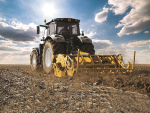
Distributed in New Zealand by OriginAg and supported by its nationwide dealer network, the Italian-built Alpego brand offers an extensive range of solutions including power harrows, rotary hoes, mulchers and subsoilers.
John Deere is introducing its 500R self-propelled sprayer to the NZ market, offering small-grain growers a new option designed for precise application, operator comfort and efficient field performance.
Global tyre manufacturer Michelin has extended its agricultural trailer tyre range, with the introduction of its new WorkxBib series, designed for tipping trailers, slurry tankers and manure spreaders.
Following the record-breaking success of its hydrogen-powered Hydromax, JCB is ramping up its investment in the business, key to the first major change at the executive level of the business, with George Bamford stepping up to the post of joint chairman, alongside his father Lord Bamford.

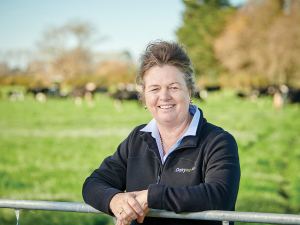
Farmers have until the end of this week to help shape DairyNZ’s future focus.
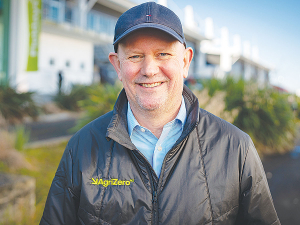
Wayne McNee, chief executive of AgriZeroNZ, has resigned and will leave the organisation on 15 January 2027.
The New Zealand dairy sector set a record in the 2025/26 season, producing more than two billion kilograms of milksolids for the first time.
Milk powder prices are continuing their merry run, firming up a potential $10/kgMS farmgate price this season.
Teachers are welcoming the outgoing Government’s U-turn allowing agriculture and horticultural science to remain a standalone Year 11 subject.
Outgoing ACT MP and dairy farmer Mark Cameron says Saturday’s election result reflects voters deeply impacted by the cost of living.



OPINION: The same mainstream media muppets that brought you Jacindamania in 2017 have been flat out pimping for the Opportunities…
OPINION: Your old mate reckons the atrocious way farmers in the UK are treated by their lords and masters in…