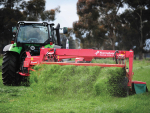
How to Make High-Quality Grass Silage
Grass silage is pickled pasture, preserved through the conversion of its sugars into lactic acid by bacteria.




 increase font size

SILAGE WRAP recycling is gaining pace, says Plasback, which recently achieved 3000 tonnes and expects to add 1000 tonne to its total this year.
Manager Chris Hartshorne says the scheme, in its eighth year, is attracting more farmers.
“The year we set up the scheme we collected just nine tonnes of waste plastic wrap. Over the past four years the rate of collection has increased steadily. We have now collected 3000 tonnes, and we expect to collect 1000 tonnes in the next year alone.
“Recycling is not a flash-in-the-pan fad…. We have a network of professional contractors to collect silage wrap and a range of other plastic waste from farms, and we are looking at acquiring more balers to handle our increased volumes.”
Hartshorne says Agrecovery quitting farm plastic recycling recently will not reduce the national quantity collected, but should instead raise efficiency.
“There was some brand confusion in the market with two companies offering identical services. We have the capacity to handle all the farmers who were using Agrecovery. In fact, as our scheme grows, it becomes more effective because our collectors can make more frequent pickups.”
Plasback liners are now in all rural stores that formerly sold Agrecovery liners.
Environment Canterbury’s January 1-onwards ban on burning polyethylene silage and bale wrap – backed by a fine of $300 for a first offence and up to $1050 for repeat offences – comes with encouragement to recycle instead.
EC has moved early to ban burning, but other regional councils have bans pending and others are researching waste volumes on farms, Hartshorne says.
Voluntary, user-pays recycling is more effective than government mandated systems based on levies, he says. “We know voluntary recycling programmes, such as Plasback, are cheaper to run and more effective than systems that apply a levy to the cost of the product.”
www.plasback.co.nz
Grass silage is pickled pasture, preserved through the conversion of its sugars into lactic acid by bacteria.
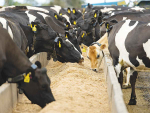
As I write this article, we have just had our first frost in the Waikato, a change in weather signalling that winter is upon us.
Waikato farmer Dave Muggeridge was fed up with water seeping in through his maize silage cover and spoiling feed.
Creating perfect silage is both a science and an art, and it all begins with the right tools, according to machinery maker Claas.
Good silage starts by cutting the crop at the correct growth stage, followed by reducing moisture content, chopping to a consistent length, then stacking in a clamp.


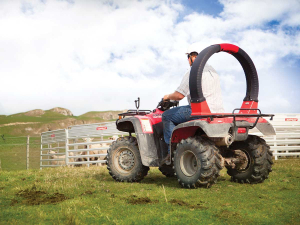
When Northland leather worker Vernon Suckling started making horse saddles 50 years ago, quad bikes and side-by-side vehicles were unheard of.
Alliance Group has confirmed that eligible farmer-shareholders who supply and continue to back the business will receive up to $20 million later this year, following the strategic investment partnership with Dawn Meats.
With a general election under five weeks away, Rural News is asking major political parties about their policies and positions on key issues facing the primary sector. We will run their responses to each question over the next four weeks. The ACT Party and the Greens didn't respond in time.
The red meat sector is in great heart.
Dr Scott Champion, Foundation for Arable Research chief executive, says that everyone in the supply chain had a role to play in driving the sector's long-term success.
Entries opened on Monday, 5 October 2026 for the 2027 New Zealand Dairy Industry Awards (NZDIA), which organisers describe as the nation's biggest celebration of excellence in the dairy sector.




OPINION: The same mainstream media muppets that brought you Jacindamania in 2017 have been flat out pimping for the Opportunities…
OPINION: Your old mate reckons the atrocious way farmers in the UK are treated by their lords and masters in…




