As Autumn days shorten, many deer farmers are paying special attention to their rising two-year-old (R2) hinds – the first fawners.
Getting improved conception rates in these younger animals is a focus for many farmers in the Advance Party programme that veterinarian Pania Flint facilitates for Deer Industry NZ. The Advance Parties are teams of eight-ten deer farms that work together to improve productivity on each farm.
"High conception rates can be harder to achieve in R2 than mature hinds. Low rates are a lost opportunity and a drain on productivity. Also, by having high conception and fawning rates among your R2 hinds you can accelerate genetic progress," Flint says.
"One of the most important factors is feeding the R2s well so they achieve target weights," she says. "To reach puberty in time, they need to be treated as priority stock throughout their first 18 months of life. They need to have a body condition score of 3.5 and be at least 75-80% of their mature weight at mating."
The actual weight in kilograms will vary depending on the hinds' genetic makeup, but a typical large red hind that matures to 125–130kg will need to be at least 93kg and preferably about 100kg to get pregnant, Flint says.
The other big influence on reproductive success with R2 hinds is behavioural. Flint says young hinds should be sorted into mating groups and stags introduced in February or earlier, to allow social structures to settle down before mating begins in late March/early April.
Des Ford, a member of the Southland Advance Party, gets spiker stags running with the R2 hinds as early as January to help stimulate oestrus as they reach puberty. He also works to get the young hinds over the recommended target weights by a comfortable margin in time for their first mating.
Flint says the use of single sires or multiple sires is OK, but it's important to get the ratios right.
"If you are using spiker stags, there should be no more than 10 R2 hinds per stag. With older stags the ratio can be higher.
"In a multiple-sire mating mob it is preferable to have at least three stags. This ensures that if two stags spend a lot of time fighting, the third still has the opportunity to mate the hinds.
"In single-sire mating mobs it is always advisable to use a back-up stag, put in at least 18 days before the planned end of mating. Infertility can occur in stags and it is difficult to detect during the breeding period.
"The question is whether a late fawn is better than no fawn. If no fawns are wanted after Christmas, stag changeover should be on April 16 and stags removed on May 5 (straight red, earlier for hybrids)."
Fawn survival is another component to reproductive success.
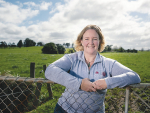
Kiri Rupert, who farms at Peel Forest, South Canterbury, is trialling the use of longer pasture covers in the fawning paddock. The objective is to give better cover for the fawns to hide in and help improve fawn survival from the R2 hinds. Initial results have been promising.
Manawatu farmer Tony Gray, who supplies Firstlight Venison, has started breeding his own replacements and has been preparing a mob of 47 R2 hinds, paying attention to liveweights. All things being equal, he says, "if we get all of the R2s over 100kg by mating, we should get at least 90% in fawn."
Having a settled mob is also important and the two Firstlight stags that are mating the R2 hinds have been running with the mob since they arrived on the farm in December.
"They're very used to each other by now," he says.
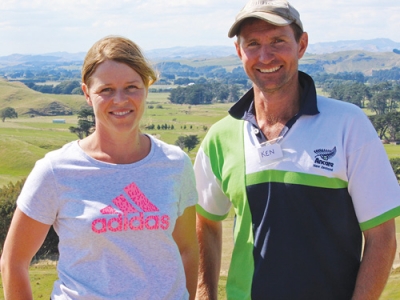
About four years ago Ken and Steph Norman learned the hard way to keep close tabs on their first fawners when the mob didn't keep up to their target weights and a poor breeding season followed. The couple farm sheep, bulls and deer near Pahiatua in a summer safe area, and have been taking advantage of the plentiful grass to get hind weights where they need to be.
Last year they achieved 96.5% scanning in their R2 mob, alongside 97.5% for the mixed age hinds, an excellent outcome on both counts.
Ken Norman says ensuring reproductive success with R2 hinds takes care, "but it's not rocket science".
Advance Parties are jointly funded by Deer Industry NZ and the Ministry for Primary Industries Sustainable Farming Fund.