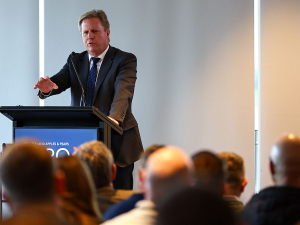
From the formal meeting with the bank manager, to the informal chat with staff, all should be planned if you want to achieve the outcomes you want, said Glen Smith, manager of a large-scale dairy farm business, speaking at last week’s South Island Dairy Event.
“The first question I’d like you to ask, if you’re going to run a meeting, is do you actually need to have a meeting?”
Defining the objective of the meeting will help clarify the need, and if you can’t define the objective, then you shouldn’t be having the meeting. Having defined the objective, think about the who, what, where and when, he says.
The golden rule about who should be there is: only those who can add value. The exception would be someone who is going to get disgruntled if not invited and there’s a need to keep them onside.
What the meeting is about should be shared in good time so all participants have time to prepare. Smith recommends “over preparing.” “There’s nothing wrong with being over prepared: do your homework, do the detail… and be a bit cynical. If things aren’t going your way, have a ‘Plan B’… It can be a great asset to be able to walk away without the right answer, but also without giving the wrong answer.
‘Where’ should fit the objective: it might be over the bonnet of the ute, or in the boardroom. “It all depends on who you are dealing with and what you are trying to achieve.” Location can be used to put participants at ease, or on edge, he adds. The “shiny suit” bank manager will be at home in the boardroom, but less so in the paddock, and vice versa for farm staff.
The when needs planning too: Smith’s preference is 10am for business meetings, though community meetings – he’s chair of a regional JAB and vice-president of a rugby club – often have to be held in evenings to maximise opportunity for people to attend, he notes.
“There are always a few things that can come up which you have to do at the start of a day, and 10am gives you time for that, and any last minute preparation – not that you should need to be doing any.”
It’s also late enough that people travelling any distance don’t have to start too early, so they should be sharp when they arrive, and not so late that minds start to wander to lunch.