
NZ ETS Settings Hold Steady Amid Shortfall Warning
The Climate Change Commission has recommended maintaining the current New Zealand Emissions Trading System (NZ ETS) settings but warns of a potential unit shortfall as early as 2028.




 increase font size
 Climate Change Commission Chair Rod Carr
OPINION: Climate Change Commission chair Rod Carr’s foolish and ham-fisted comment comparing NZ’s farming sector to the country’s defunct whaling industry was an appalling way for him to kick off the consultation period of his organisation’s draft carbon emissions budget.
It is a pity Carr has now blotted his copybook with farmers.
When appointed Climate Commission chair last year, he sounded much more reasonable and measured—even telling the Newsroom website:
“In the agricultural sector, there is no or little denial of climate change…In the agricultural sector there is a growing awareness of the need for change, but also a concern about what is the nature of the change that is needed. I think the agricultural sector is highly innovative, I don’t think they’re in denial. For my money, New Zealand should be substantially increasing its investment in agriculture research.”
The throwaway line also detracts from the Climate Change Commission’s report, which suggests more science and technology, more trees and less livestock is the prescription offered on how to reduce greenhouse gases in the agriculture sector.
It is going to be a tough ask. As Beef+ Lamb NZ’s Sam McIvor says, the sector needs more detail to understand the assumptions, methodologies and science used by the commission to underpin some of its advice.
He is correct when he says the advice of a 15% reduction in sheep, cattle and dairy livestock numbers within the next nine years needs proper analysis of the social and economic impacts of land-use change on communities and the science behind the methane targets.
The roadmap set out by the commission for the agriculture sector to reduce its carbon footprint is ambitious and challenging. It is not at all helpful, when asking the sector to take on such a tough challenge, for the chair of the Climate Change Commission to liken NZ farming it to a morally reprehensible industry such as whaling.
Carr’s ridiculous, insulting and stupid whaling analogy about the country’s agriculture sector only goes to prove that he is tone deaf. It is not a smart or productive way to get farmers – who both the commission and the country need – onside in an effort to reduce NZ’s overall carbon emissions.
At the very least, he should retract and apologise for the silly remark.
The Climate Change Commission has recommended maintaining the current New Zealand Emissions Trading System (NZ ETS) settings but warns of a potential unit shortfall as early as 2028.
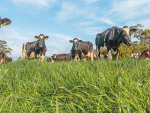
The Climate Change Commission’s 2025 emissions reduction monitoring report reveals steady progress on the reduction of New Zealand’s climate pollution.
Former Governor-General Dame Patsy Reddy will be the new chair of the Climate Change Commission.
The dairy industry is well placed to front the cost of new technologies to deal with methane emissions, but the sheep industry isn't.
There is an urgent need for the Government to put a limit on the sale of farms for forestry - particularly for carbon farming.


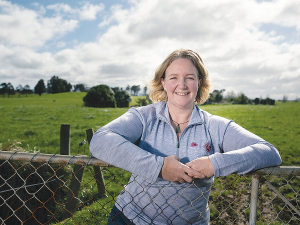
Farmers are being encouraged to rethink how they manage waste on farm with the launch of ruralwastesorted.co.nz, a new website bringing together practical tips, real farmer experiences and resources.

New Zealand Winegrowers (NZW) is celebrating the India-New Zealand Free Trade Agreement (FTA) coming into force today, bringing New Zealand wine improved access to one of the world’s fastest-growing economies.
New Zealand’s red meat sector has welcomed the India-New Zealand Free Trade Agreement taking effect, which removes India’s 33% tariff on New Zealand sheepmeat.
More than 95 per cent of New Zealand’s forestry and wood exports to India can now enter tariff free as the New Zealand-India Free Trade Agreement comes into force today.
Federated Farmers is backing Feilding High School’s call to keep Agriculture and Horticultural Science as a standalone subject in Year 11.
Food and fibre exports have returned a billion- dollar bonus to the country.



OPINION: The same mainstream media muppets that brought you Jacindamania in 2017 have been flat out pimping for the Opportunities…
OPINION: Your old mate reckons the atrocious way farmers in the UK are treated by their lords and masters in…




