
NZ Beef’s US Opportunity and the Dairy Beef Initiative
Good medium to long term prospects for NZ beef, especially in the US, has heighted the focus on various initiatives to capitalise on this situation.




 increase font size
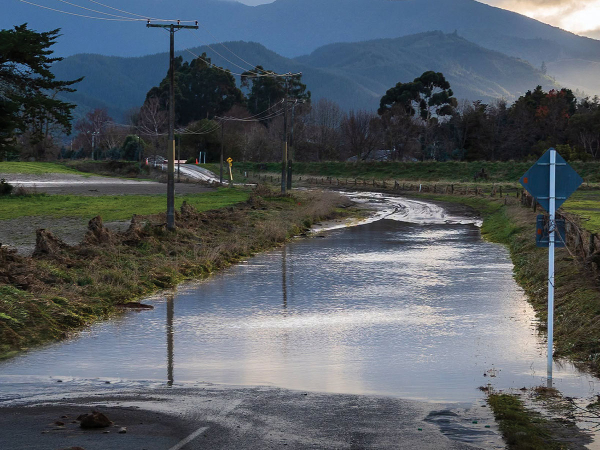 Natural and man-made disasters have made resilience a core part of how the agribusiness sector operates.
OPINION: At Fieldays this year, one theme kept surfacing across the sector: global shocks are no longer something that happens “over there”. They are now translating quickly into local, farm-level impacts through increasingly complex and connected channels.
New Zealand’s agribusiness sector has long been defined by its ability to adapt. Droughts, floods, biosecurity events and global market cycles have made resilience a core part of how the sector operates.
That resilience is not accidental. It is the product of decades of structural change and a culture of adaptation. What has emerged is a sector that is market-driven, diversified and deeply integrated into the global economy.
But what is changing now is not the existence of shocks. It is their nature, and the speed at which they are felt.
Recent disruption affecting global energy and fertiliser markets is a clear example. Events in one part of the world are quickly influencing input costs, supply chains and planning decisions for New Zealand agribusiness. For exporters and producers alike, this creates a more uncertain operating environment, with cost pressures and market dynamics shifting at pace.
Fertiliser and fuel are among the most visible pressure points. When global supply chains tighten, costs can rise quickly. For farmers operating in globally priced commodity markets, those increases are often absorbed rather than passed on.
But the picture is not all negative. Agriculture continues to operate in an environment where headwinds are offset by tailwinds, including relatively supportive commodity prices at times and ongoing global demand for high-quality food and fibre. The sector is constantly balancing these competing forces.
The next phase of risk is different again – it is no longer about market or price shocks in isolation, but about risks interacting. Supply chain disruption, energy volatility, climate events and geopolitical uncertainty are increasingly interconnected, amplifying each other rather than occurring separately.
This is where the conversation is shifting. For many agribusinesses, the focus is now on understanding how risks combine and how they can be managed more holistically. That starts with identifying and quantifying exposure, and then determining which risks can be transferred, which can be mitigated, and where new approaches are needed to build resilience.
Risk management is therefore becoming more forward-looking and more embedded in strategic decision-making.
What is also clear is that resilience is not about eliminating volatility – it’s about being able to operate effectively within it.
Across the sector, there is little sense of surprise when shocks occur. Instead, there is recognition that disruption is now a permanent feature of the operating environment.
The question is no longer whether volatility will occur, but how quickly organisations can interpret it, adapt to it and recover from it.
New Zealand agribusiness has evolved under pressure before. The challenge now is ensuring that evolution continues at the pace of a world where global shocks are increasingly immediate, interconnected and complex.
Stephen Price is national practice leader – food, agribusiness & beverage, New Zealand, Aon
Good medium to long term prospects for NZ beef, especially in the US, has heighted the focus on various initiatives to capitalise on this situation.

Carrfields has announced the appointment of Stu Hall to the newly created role of chief operating officer, Carrfields Ltd, reflecting the continued growth of their agribusinesses and the need to ensure the company has the leadership capacity and support in place as it pursues the emerging opportunities ahead.
State farmer Pāmu is bracing for a $30 million hit from soaring farm input costs this financial year.
Pāmu has released its FY26 Integrated Annual Report, reporting a Net Operating Profit of $113 million, more than double the $49 million recorded in FY25.
Meat Industry Association data, released alongside the Red Meat Sector conference in Wellington, shows export value climbing across the US, China, UK and Canada.


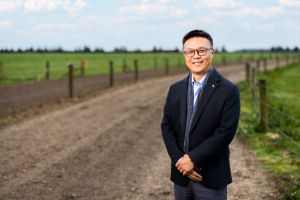
Canterbury milk processor, Synlait Milk has confirmed Leon Fung as its chief executive officer.
OPINION: Making it easier to collect rainwater and use it to grow crops and livestock is a no brainer.
As part of its Election 2026 coverage, Rural News asked political parties how they would help pull the arable sector out of the doldrums. Here's what they said:
Farmers are being encouraged to rethink how they manage waste on farm with the launch of ruralwastesorted.co.nz, a new website bringing together practical tips, real farmer experiences and resources.
New Zealand Winegrowers (NZW) is celebrating the India-New Zealand Free Trade Agreement (FTA) coming into force today, bringing New Zealand wine improved access to one of the world’s fastest-growing economies.
New Zealand’s red meat sector has welcomed the India-New Zealand Free Trade Agreement taking effect, which removes India’s 33% tariff on New Zealand sheepmeat.

OPINION: The same mainstream media muppets that brought you Jacindamania in 2017 have been flat out pimping for the Opportunities…
OPINION: Your old mate reckons the atrocious way farmers in the UK are treated by their lords and masters in…




