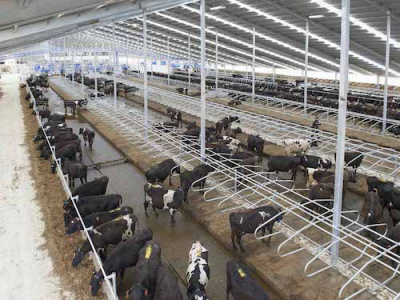
The discovery of the cow disease Mycoplasma bovis in South Canterbury last month again raised concerns among farmers about NZ’s biosecurity measures and responsiveness.
A meeting in mid-July saw an unprepared Ministry of Primary Industries (MPI) team greeted by angry farmers frustrated at the bureaucrats’ lack of detail and answers. The farmer frustration was warranted though, to be fair, MPI was scrambling and handicapped by a complete lack of knowledge and information about the disease and where it had come from.
MPI’s lack of knowledge over M. bovis at that meeting was reminiscent of Donald Rumsfeld’s infamous quote regarding Iraq supplying weapons of mass destruction to terrorists: “As we know, there are known knowns; there are things we know we know. We also know there are known unknowns; that is to say we know there are some things we do not know. But there are also unknown unknowns — the ones we don’t know we don’t know.”
Fortunately by the time about 200 South Canterbury and North Otago farmers met with MPI and industry representatives in Waimate on August 10 to get a further update on the situation there were more known knowns than unknown unknowns. The meeting was informed about the surveillance and testing regime and timelines, the robustness of disease containment measures and the actions farmers could take to protect their farms.
MPI deadliness and response director Geoff Gwynn admitted it had taken MPI time to resource-up after confirmation of the disease, but assured the crowd this had now been ramped up.
The mood of farmers attending this meeting was much calmer than the previous one, with most satisfied by the response and answers given by MPI. Federated Farmers rightly praised MPI officials grappling with the cow disease for their efforts in dealing with the issue. Biosecurity spokesman Guy Wigley said farmers can be impressed by the scope of what is being done.
It is easy for critics – including commentators, politicians and farmers – to throw rocks at MPI for biosecurity breaches, especially when diseases such as foot and mouth and mad cow disease could have a crippling effect on our economy. However, M. bovis is a productivity and animal welfare issue thus unlikely to create any trade concerns for NZ.
Farmers and others can be reassured that MPI has an effective, well-structured and rehearsed response to the M. bovis incursion and we can all take solace in that.