WinePro 2026: Technology, Innovation and Solutions for New Zealand Wine
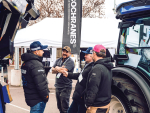
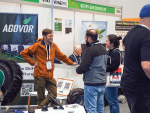
WinePro is one of the few moments in the year where the whole industry stops and looks forward, says Agovor co-founder Richard Beaumont.




 increase font size
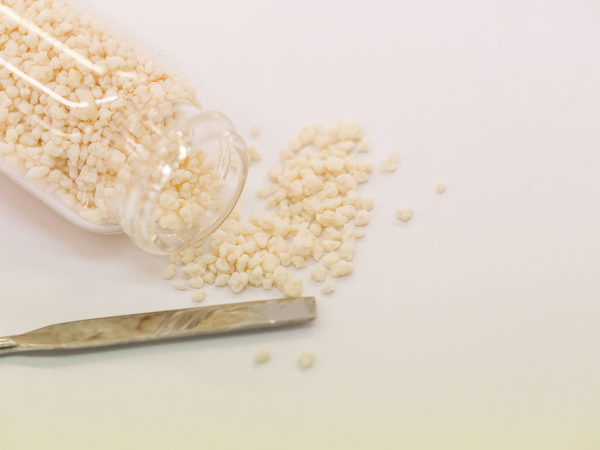 amaea’s molecularly imprinted polymers are imprinted with billions of binding sites to target capture unwanted molecules in wine
The New Zealand wine industry is highly engaged when it comes to innovation, but it's also pragmatic, says Dr Aaron Low, who will lead a panel at the WinePro conference on real-world applications of molecular filtration.
"Winemakers want to see proven results before adopting something new, and that's been our experience both locally and globally," says amaea's Chief Technical Officer. "What we've found is that once winemakers see the impact in their own wines, adoption follows."
Molecular filtration gives winemakers a high level of precision and control in managing pyrazines, phenolics, and certain off-aromas, "enabling them to target specific compounds while preserving desirable characters", says Aaron, who will be joined at the WinePro session by winemakers Dean Boyce from Indevin and Jane de Witt from LION, along with Christian Kuun, South Island manager at Vintech Pacific.
Aaron, a chemical and materials engineer, says technology will play a critical role in helping New Zealand wine maintain its global position, particularly as producers face increasing cost pressures, additive regulations and sustainability expectations.
"The opportunity isn't about changing how wine is made at its core, but about giving winemakers better tools to produce higher-quality wine, more efficiently and sustainably, especially in more challenging vintages."
As well as molecular filtration, he will use WinePro to introduce amaea's new continuous cold stabilisation technology.
"Traditionally, cold stabilisation can take seven to 14 days. CSx reduces that to as little as five minutes, while also significantly lowering energy use and emissions," he says.
"Molecular filtration removes the need for seeding with cream of tartare to achieve cold stability, reducing both chemical costs and waste for wineries."
Aaron says introducing innovative technology to an ancient industry is one of the most interesting aspects of his work.
“Winemaking has always been a balance of tradition, science and artistry, all coming together to create a sensory product. While the fundamentals haven’t changed for centuries, the tools winemakers use have continually evolved to improve quality, yields, and efficiency. Molecularly imprinted polymers are simply one of the next steps in that evolution.”
WinePro is one of the few moments in the year where the whole industry stops and looks forward, says Agovor co-founder Richard Beaumont.
Robust discussions with other suppliers and wine industry clients are especially important during tougher times, says a sales agent for Hydralada.
Building on the success of its inaugural event, WinePro New Zealand returns this winter with “a refreshed and more immersive experience”, say organisers.
Organisers of the Inaugural WinePro are looking to build on its success in 2026, with wine-related trade education and innovation showcased in Blenheim from 23-25 June. Wine Marlborough General Manager Marcus Pickens shares some insights into the seminars and workshops planned for this year.

From the heights of tramping tracks to the depths of picnic baskets, a Banks Peninsular winemaker wants his wines to…
In a global wine market facing headwinds and overall decline, New Zealand Sauvignon Blanc continues to stand out as a…
The third Aotearoa New Zealand Chardonnay Symposium will be underway in Hastings, Hawke's Bay, on 17-18 September.