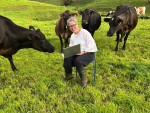
International Day of Rural Women: Two DairyNZ Farmers’ Stories
Today, 15 October, is the International Day of Rural Women, which recognises rural women’s contribution to farming, communities and the environment.




 increase font size
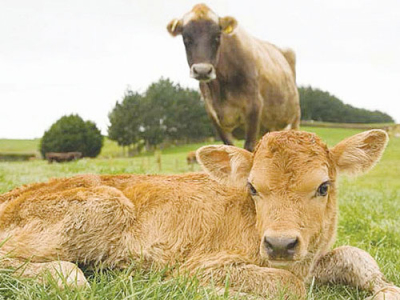 Planning and preparing for calving will reduce stress when calving is in full swing.
Planning and preparation make for a good calving season, says DairyNZ.
Farmers can help their farm team set up early for smooth calving.
Supplies of metabolics, electrolytes and navel spray must be on hand or ordered; new team members have to be up to date on farm policies and what to expect during calving.
A calf trailer and feeding equipment, clean and disinfected, should be on standby; the calf shed must be clean and disinfected, repaired as needed and well maintained.
A designated sick calf area must be ready, fresh bedding laid in the calf shed and a calving kit prepared.
DairyNZ says a well-stocked calving kit will save trips between the paddock and the shed.
“Keep your calving kit at the gate of the springer paddock. Have a team member in charge of making sure it is restocked regularly.
“Planning and preparing for calving with your farm team will reduce stress when calving is in full swing and help it run smoothly.
“Hold a team meeting prior to calving and decide who will do what and when. Record the plan where everyone can see it. Introduce new staff to systems and processes so everyone is on the same page when calving starts. Set up a roster and make sure staff know how to fill out timesheets.”
Eating well is important; some owners provide staff with slow cookers; keep nutritious snacks at the shed or eat breakfast together after milking.
Watch for signs of stress, meet regularly and talk often.
Calving kit contents
- Bucket with a lid to contain kit (tape a checklist of contents inside the lid)
- Metabolics (clearly labelled milk fever treatments and starter drench)
- Three calving ropes or chains (strong, supple and cleaned after each use).
- 2L container of lube (a plunger pump is an easy way to dispense lube if hands are busy)
- Towel and soap for cleaning hands
- Notebook and pencil (a pencil will write in the wet, a pen will not)
- Ear tags or other calf identification system (pre-numbered tags with corresponding numbers on a record sheet will save time and cut the risk of recording mistakes)
- Spray paint -- red plus another colour (red can be used as a warning colour; e.g. withhold milk. Communicate this with staff)
- Gloves -- for rectal or other exam
- Head torch and spare batteries
- Iodine spray -- pre-mixed with water (do not use teat dip as an alternative)
- Key contact numbers (vet, manager) on laminated sheet. Save numbers in phone)
- Calving intervention guide
- Food/energy bars.
Today, 15 October, is the International Day of Rural Women, which recognises rural women’s contribution to farming, communities and the environment.
The first major update to the Dairy Cattle Code of Welfare in more than a decade has been released, marking what DairyNZ describes as an important step in ensuring animal welfare standards continue to evolve alongside scientific evidence and on-farm realities.
Have a plan in place for your cows and staff.
DairyNZ deputy chair Cameron Henderson has been re-appointed unopposed for another term.
OPINION: The stats speak for themselves.



Federated Farmers has welcomed new rural policies released by ACT, saying they align closely with its own election priorities.

Rural Contractors NZ says proposed changes to land transport rules for agricultural vehicles are a welcome response by the Government to out of date regulations which have seen members hit with huge fines.
Alliance is calling for final applications for its 2027 Graduate Programme, with applications closing on Sunday 25 October.
Decades piloting planes has ensured vet and farmer David Hayes is focused on safety. So, after a serious accident while welding on farm, he is sharing his experience so others can learn from it.
Canterbury milk processor, Synlait Milk has confirmed Leon Fung as its chief executive officer.
OPINION: Making it easier to collect rainwater and use it to grow crops and livestock is a no brainer.



OPINION: It seems Canterbury processor Synlait is still in the doldrums.
OPINION: Get offside with New Zealand First leader Winston Peters at your own peril.




