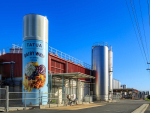
Ah Tatua, You've Done It Again!
Waikato milk processor Tatua has again declared a record milk payout to farmer shareholders, leaving other processors in the dust.




 increase font size
 ASB is forecasting a milk price of $9.75/kgMS while Fonterra lifted its forecast milk price range last month to $9.50 to $10.50/kgMS with a midpoint of $10/kgMS.
Whole milk powder prices on Global Dairy Trade (GDT) remains above long run averages and a $10/kgMS milk price for the season remains on the card, says ASB senior economist Chris Tennent-Brown.
ASB is forecasting a milk price of $9.75/kgMS while Fonterra lifted its forecast milk price range last month to $9.50 to $10.50/kgMS with a midpoint of $10/kgMS.
Tennent-Brown says that like Fonterra, they will be keeping a careful watch on the global supply and demand dynamics over the coming months.
"We see a balance of risks around our $9.75 pick, with some of those risks pointing to a milk price closer to Fonterra's midpoint, even if prices ease a little bit more from current levels.
"The lower NZD can help this year's milk price at the margin but can be a bigger help for the next season if the weakness continues and is captured as we expect within Fonterra's FX hedging."
WMP prices, which has the biggest impact on Fonterra's milk price, have dropped in the last two consecutive auctions. The first auction of 2025 saw WMP slip 2.1% and skim milk powder 2.2%.
WMP sits at US$3804/tonne - the highest level since July 2022, when it was fetching US$3961/t.
Tennent-Brown says that WMP prices have been declining from the recent peak, but remain significantly higher than a year ago, and above long run averages.
The latest GDT auction saw the price index ease 1.4% to an average price of US$4,029/t.
NZX dairy analyst Rosalind Crickett says the index movement was weighed down by decreases seen to the milk powder products, despite lifts to butter and cheese products - with results spot on with their pre-event expectations.
"In what normally is a quieter start to the year, 87% of product on offer was still sold, but saw weaker demand from both North Asia and the Southeast Asia/Oceania regions."
Crickett says that despite there being -15.7% less WMP and -15% less SMP on offer since the last event, traders have been describing a "hand to mouth" purchasing pattern by regions over the holiday period.
Waikato milk processor Tatua has again declared a record milk payout to farmer shareholders, leaving other processors in the dust.
Fonterra has unveiled its annual results for the 2026 financial year, posting $27 billion in revenue and close to $20 billion returned to New Zealand farmer owners and unit holders.
Fonterra Co-operative Group has confirmed the independently assessed candidates standing for election to its board in 2026.
Fonterra has revised its Farmgate Milk Price forecast for the 2026/27 season, lifting the midpoint and narrowing the range on the back of improving global dairy commodity prices.
Outgoing Fonterra Co-operative Council chair John Stevenson says that it has been a privilege to represent the co-op's farmer shareholders.


Farmer-owned fertiliser company, Ballance Agri Nutrients is welcoming National’s plan to negotiate security agreements with key supplier countries to protect New Zealand-bound products from export restrictions and greater supply chain certainty.

Carrfields has announced the appointment of Stu Hall to the newly created role of chief operating officer, Carrfields Ltd, reflecting the continued growth of their agribusinesses and the need to ensure the company has the leadership capacity and support in place as it pursues the emerging opportunities ahead.
New Zealand's role is not to compete with Indian growers, according to NZ Apples and Pears.
The potato industry is celebrating the success of two rising stars - James Blair, the 2026 Young Grower of the Year and runner-up and innovation award winner, Amber Davy.
Twenty-eight emerging leaders from across the horticulture sector spent two days last month learning valuable skills and connecting with industry experts.
There are five entrants in this year’s Young Horticulturist of the Year, competing in a series of technical, practical, business and leadership challenges.



OPINION: It seems Canterbury processor Synlait is still in the doldrums.
OPINION: Get offside with New Zealand First leader Winston Peters at your own peril.




