The chair of the Dairy Environmental Leaders (DEL) says the country's dairy farmers are at the forefront of environmental management.
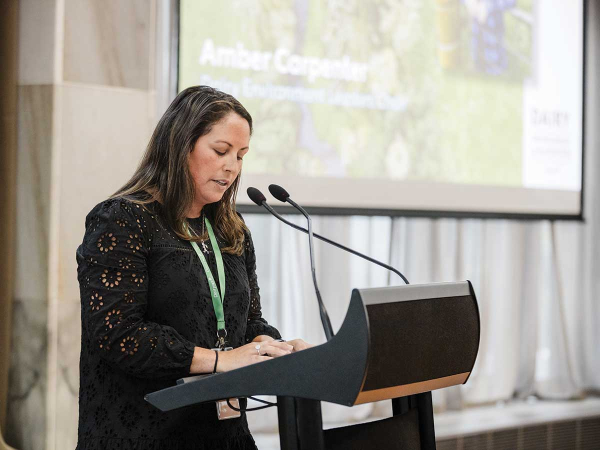
Speaking at a meeting of DEL members in Wellington, Amber Carpenter, who is also a dairy farmer from Hunua, said the forum is testament to this.
She says the forum gives some of New Zealand's most innovative farming leaders an opportunity to connect with each other, policy makers, politicians, and other influencers who shape the New Zealand dairy sector.
The DEL network was formed by farmers, DairyNZ and the NZ Farm Environment Trust in 2007. It aims to empower leadership and provide opportunities to support and share on-farm actions to reduce environmental footprints, and broader sustainability issues. There are about 400 members - all environmentally focused dairy farmers who are committed to creating a sustainable future in dairying.
Carpenter says by coming together, members can share experiences, learn from each other, and continue to innovate for a more sustainable future.
"These connections help the dairy sector continue to develop climate and water quality solutions for our pasture-based farms, to accelerate positive change, and get ahead of the environmental challenges farmers face," she says.
One of the keynote speakers was the chair of DairyNZ and a former chair of DEL, Tracy Brown. She noted that the challenges of climate change and freshwater management are the biggest environmental issues facing the agriculture sector over the coming 10 to 20 years. She says that DairyNZ is committed to supporting farmers through investments in science, research, policy advocacy, and extension.
"Dairy farming is at the heart of New Zealand's economy, and it's crucial that we continue to lead the way in sustainable practices. This event is an excellent opportunity for our environmental leaders to come together, share knowledge, and work towards our sustainable future," she says.
Brown says it's a well-known fact that NZ has one of the most sustainable dairy sectors in the world, but that is not a reason to be complacent. She says we must continue to do better.
Other speakers at the meeting included the Minister of Agriculture Todd McClay who noted that it was important have a healthy tension between government, industry and sectors.
Each group, he says, plays a crucial role of each in pushing each other to be better and leading to improved outcomes for New Zealand.