Fonterra Elections 2026: Voting Opens Tuesday 20 October
Fonterra shareholders can begin voting on Tuesday 20 October in the 2026 Board of Directors’ election, a Co-operative Council election in one Ward, and seven Annual Meeting resolutions.




 increase font size
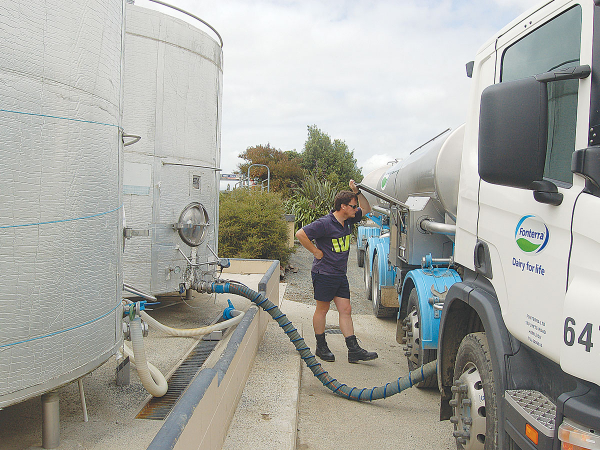 Fonterra shares have plumetted in recent months.
Fonterra shares recorded a jump last week after the co-operative unveiled plans of a $50 million share buyback scheme.
The shares, which can be owned only by farmers, closed last Wednesday at $2.85, up from their record low on $2.22 late last month but down from $4.56 on May 5, 2021.
Chairman Peter McBride said Fonterra has "looked at prevailing prices" alongside the co-operative's strategy and overall business performance.
"The co-op considers the prevailing price, particularly since late April, has undervalued Fonterra shares, which is a key reason for announcing this buyback," McBride says.
The buyback may run for up to 12 months. It is separate from Fonterra's plan to spend $300m on supporting liquidity during the transition to a new requirement for farmers to own one Fonterra share for every 3 kgMS they supply to the co-operative, rather than the current one-for-one ration.
McBride says, in making the decision to buy back shares, the board considered prevailing prices in th Fonterra Shareholders Market (FSM), alongside the co-op's strategy and overall business performance.
"When assessing the value of Fonterra shares the board considers a range of factors, including the strong industry fundamentals and the co-op's long-term strategy and performance targets.
"We also consider the merits of a buy-back alongside other investment opportunities we have in the pipeline.
"These have a range of risk and return profiles, but overall we believe there is room in our portfolio of investments for buying back shares at a price that we consider to be undervalued. Once purchased by the co-op, these shares will be cancelled, which means futur earnings are distributed amongst a lower number of shares."
In an email to farmers, McBride says the co-op will report how many shares it buys and the average price the day after, "so you will know what we have bought".
Keep Buying, Selling
Peter McBride notes that Fonterra is preparing to implement the Flexible Shareholding structure but has not yet set a date for when it will be effective.
In April, the Government announced its support for the structure and has signalled that it expects the amendments to progress through Parliament this year.
 |
|---|
|
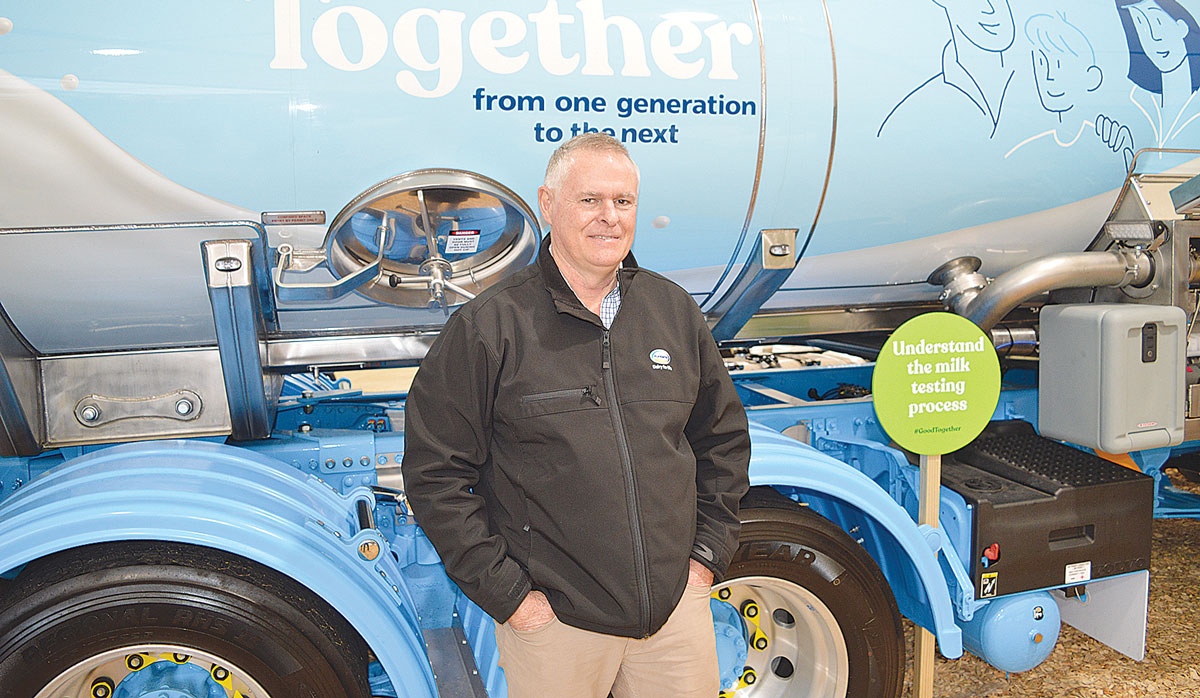
Fonterra chairman Peter McBride says the prevailing share price prompted the $50m share buyback. |
"We remind shareholders that even though share compliance obligations remain on hold until at least 6 months after the new structure is effective, shareholders can still buy or sell shares within Fonterra's current constitutional limits (which is generally 1x - 2x supplying shareholders' three-season average milk supply).
"Shareholders should seek advice from their financial advisor, accountant, lawyer, or rural professional before making any decisions," says McBride.
The maximum number of shares that may be acquired pursuant to this buyback programme and the Transitional Buyback (should that also proceed under section 65 of the Companies Act) taken together over the next 12 months is 80,667,893 shares.
This number of shares is set in accordance with section 65 of the Companies Act and represents 5% of Fonterra's shares on issues 12 months prior to the acquisition of shares.
The number of shares purchased under the buyback from time to time, and the average price, will be notified to the NZX and ASX on the business day following the date on which those shares are brought back.
Fonterra shareholders can begin voting on Tuesday 20 October in the 2026 Board of Directors’ election, a Co-operative Council election in one Ward, and seven Annual Meeting resolutions.

Fonterra Co-operative Group chief financial officer Andrew Murray has resigned to take up a role outside the dairy giant.
Four candidates have been confirmed for two director positions on Fonterra’s board.
A record farmgate milk price and strong global demand is laying the foundation for continued growth of organic dairy farming in New Zealand.
Waikato milk processor Tatua has again declared a record milk payout to farmer shareholders, leaving other processors in the dust.


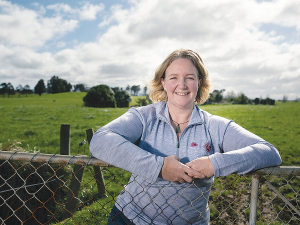
Farmers are being encouraged to rethink how they manage waste on farm with the launch of ruralwastesorted.co.nz, a new website bringing together practical tips, real farmer experiences and resources.

New Zealand Winegrowers (NZW) is celebrating the India-New Zealand Free Trade Agreement (FTA) coming into force today, bringing New Zealand wine improved access to one of the world’s fastest-growing economies.
New Zealand’s red meat sector has welcomed the India-New Zealand Free Trade Agreement taking effect, which removes India’s 33% tariff on New Zealand sheepmeat.
More than 95 per cent of New Zealand’s forestry and wood exports to India can now enter tariff free as the New Zealand-India Free Trade Agreement comes into force today.
Federated Farmers is backing Feilding High School’s call to keep Agriculture and Horticultural Science as a standalone subject in Year 11.
Food and fibre exports have returned a billion- dollar bonus to the country.


OPINION: It seems Canterbury processor Synlait is still in the doldrums.
OPINION: Get offside with New Zealand First leader Winston Peters at your own peril.