
Fonterra CFO Andrew Murray Resigns
Fonterra Co-operative Group chief financial officer Andrew Murray has resigned to take up a role outside the dairy giant.




 increase font size
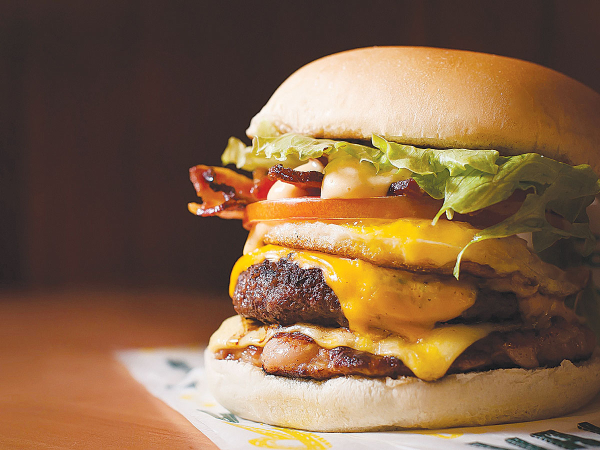 McDonald's annual shopping list, released this month, shows the fast-food chain used $214m worth of NZ products in its local restaurants.
Fast-food giant McDonalds spent a record $598 million last year on New Zealand milk, cheese, and other primary industry ingredients.
Its annual shopping list, released this month, shows the fast-food chain used $214m worth of NZ products in its local restaurants. A whopping $384 million of produce was exported to other McDonald’s markets. The total spend was $52 million more than in 2021.
Nearly 7 million litres of fresh milk was sourced from dairy farmers – the equivalent of 246 Fonterra milk tankers and enough to fill Kelly Talton’s Stingray Bay aquarium tank 19 times, the company says.
Nearly 2 million kilograms of cheese and other dairy products were used locally, along with 11.6 million kg of cheese exported – the equivalent weight of 6500 empty shipping containers.
The company also used 900,000kg of lettuces and 12 million kg of potatoes in its local restaurants.
McDonalds sources its cheeses from Fonterra’s Eltham site in Taranaki. It says New Zealand farmers are also strategically important suppliers to McDonald’s worldwide. Kiwi produce is exported to McDonald’s markets including Australia, the Pacific Islands, Asia and the United States.
“McDonald’s has long recognised New Zealand as one of its top global suppliers of quality beef and dairy. It’s great to be able to supply a local menu where around 90% of the ingredients are sourced from across Aotearoa, and to share this quality produce with McDonald’s markets around the world,” says managing director NZ and Pacific Islands, Kylie Freeland.
“While we’re a small market in terms of our number of restaurants in the McDonald’s world, New Zealand is amongst the top 10 countries that supply beef to McDonald’s. Globally, we have several commitments around sustainable beef production, and the climate, which means we’re working closely with our local suppliers and industries to help encourage continuous improvement and making a positive impact on the planet.”
Fonterra Co-operative Group chief financial officer Andrew Murray has resigned to take up a role outside the dairy giant.

Four candidates have been confirmed for two director positions on Fonterra’s board.
A record farmgate milk price and strong global demand is laying the foundation for continued growth of organic dairy farming in New Zealand.
Waikato milk processor Tatua has again declared a record milk payout to farmer shareholders, leaving other processors in the dust.
Fonterra has unveiled its annual results for the 2026 financial year, posting $27 billion in revenue and close to $20 billion returned to New Zealand farmer owners and unit holders.


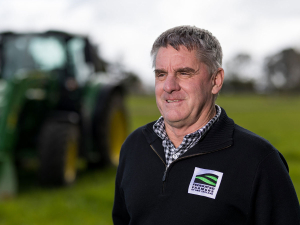
National’s pledge to introduce 19 new national standards shows the party is serious about getting Wellington out of farming, Federated Farmers says.
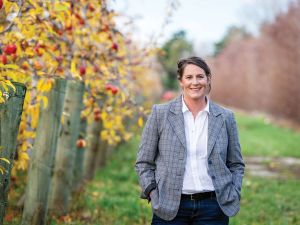
The National Party’s policies to make it easier to grow fresh vegetables, secure reliable water and energy and simplify farm planning are practical changes that will give growers the confidence to invest, according to Horticulture New Zealand (HortNZ).
Fonterra Co-operative Group chief financial officer Andrew Murray has resigned to take up a role outside the dairy giant.
A major move is about to get underway to improve the quality and viability of dairy beef and cattle in NZ.
Veterinarians say changes to the code of welfare for dairy cattle provides a positive foundation for improved cattle welfare across the country.
Today, 15 October, is the International Day of Rural Women, which recognises rural women’s contribution to farming, communities and the environment.


OPINION: It seems Canterbury processor Synlait is still in the doldrums.
OPINION: Get offside with New Zealand First leader Winston Peters at your own peril.




