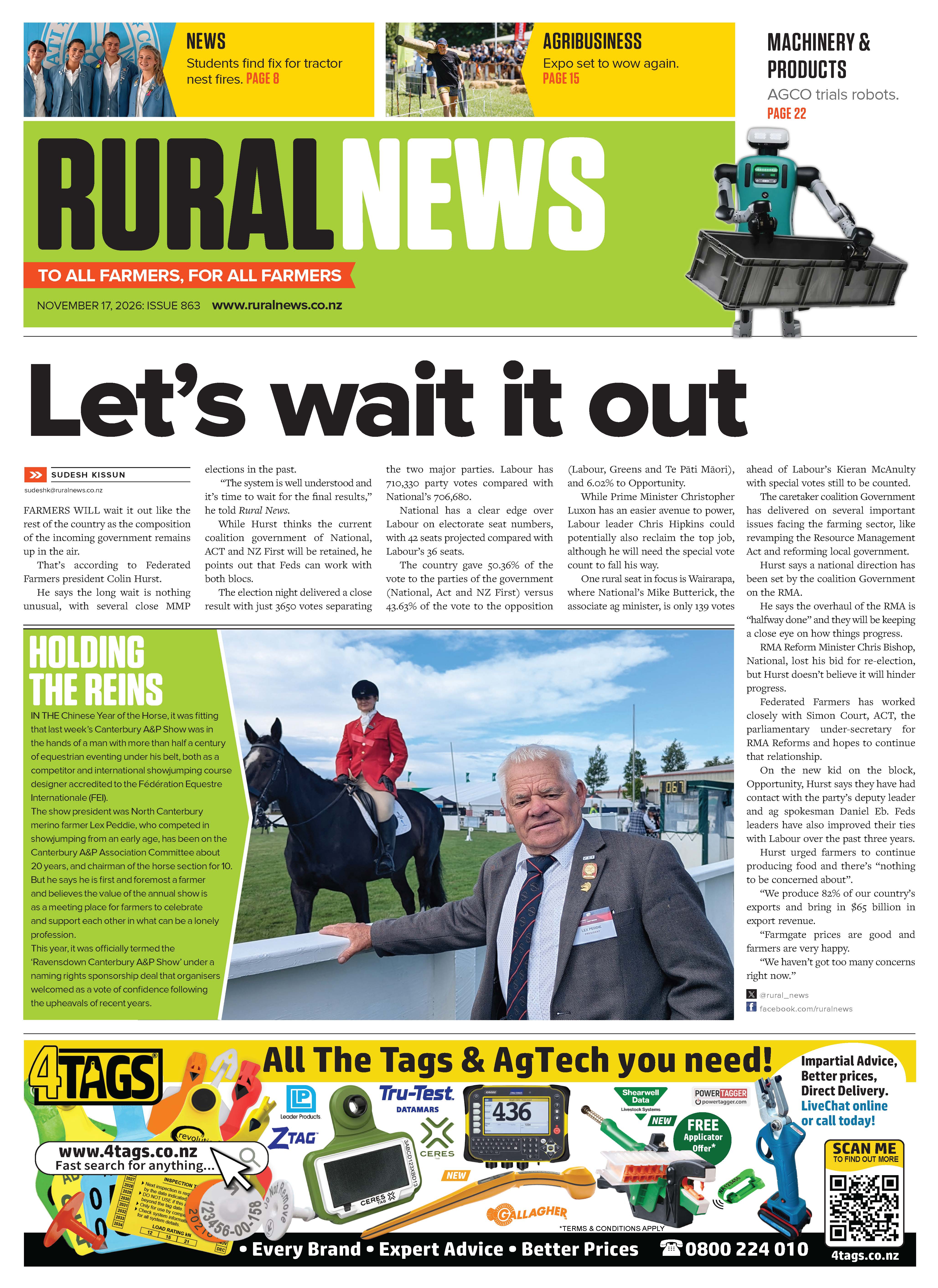
Farmers Wait Out Close Election, Says Federated Farmers
Farmers will wait it out like the rest of the country as the composition of the incoming government remains up in the air.




 increase font size
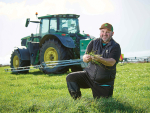
 Katie Milne.
Federated Farmers' conference last week was a great success, says president Katie Milne.
The federation joined forces with a commercial conference organising company to stage the event at Te Papa Museum in Wellington.
Milne says they decided to do something different and bring primary industries into Wellington to connect closer with politicians, academics, government officials and agribusiness people.
“It’s gone well and good feedback from everybody showed this format has worked. People made the connections we wanted them to make.
“We had great speakers from overseas and New Zealand and the conference had a different buzz.”
Milne says the farming sector is pretty flat at present despite prices being good.
The conference was aimed at helping the public and decisionmakers to better understand farming. Attendees aired their concerns, chiefly on government policies. And alternative proteins were also heard as a worry.
“Typical concerns were, what effect is the Zero Carbon Bill going to have on farms? and what must farmers do today about water policies?
They are uncertain what the impacts will be, Milne said.
“We also don’t think the regulatory impact analyses and cost benefit analyses have been properly done on a lot of these things, in particular the flow-on effects.”
Milne says the challenge is to deal with such issues while simultaneously identifying opportunities for the primary sector and seeing a clear path to achieve goals.
Farmers will wait it out like the rest of the country as the composition of the incoming government remains up in the air.

OPINION: The Government's decision to reinstate agriculture and horticultural science as a standalone subject from Year 11 is the right one.
Another former Federated Farmers national president is heading to Parliament.
With less than a week to go before voters choose the next government, Federated Farmers has a simple message to its members - get out and vote.
Federated Farmers has welcomed new rural policies released by ACT, saying they align closely with its own election priorities.

Halter has launched Mav, an AI farming assistant that lets dairy farmers ask questions about their herd and pasture and get answers drawn from the data the company’s collars already collect.
OPINION: At first glance it appears that Father Christmas has delivered the rural sector good tidings, with most pundits predicting the return of the centre-right coalition.
For 15 years, Glenda Rees has travelled from Gore to Awarua, often several times a week, to keep watch over one of the country’s rarest birds.
With some farmers opposing a government-industry partnership set up to develop methane reducing products, one NZ company claims that it already has a product on the market.
During the nesting season, from September to December, industrious starlings can quickly build nests in the darker areas behind tractor and vehicle, usually close to hot engines, typically resulting in localised damage or in some cases complete write-offs.
The meat processing industry is much more collegial than it was in the past and is now more focused on common goals.
OPINION: It seems Canterbury processor Synlait is still in the doldrums.
OPINION: Get offside with New Zealand First leader Winston Peters at your own peril.