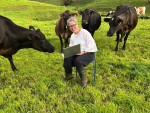
International Day of Rural Women: Two DairyNZ Farmers’ Stories
Today, 15 October, is the International Day of Rural Women, which recognises rural women’s contribution to farming, communities and the environment.




 increase font size
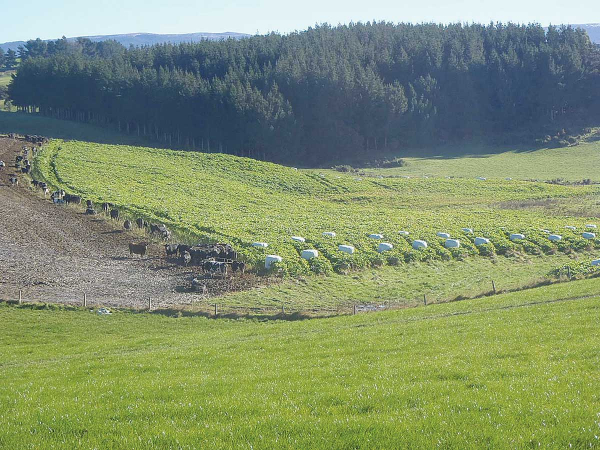 DairyNZ welcomes moves to improve winter grazing rules.
DairyNZ says it supports recommendations to the Government from an advisory group looking to improve winter grazing rules for farmers and achieve better environmental outcomes.
The Southland Advisory Group was formed after concern from farmers and sector organisations that a number of new winter grazing rules were impractical, challenging to meet and costly for councils to implement.
The rules are part of the Government’s National Environmental Standard for Freshwater.
“While we support the intent of the Government’s regulations, which is to protect the environment, the rules need to be fair, reasonable and achievable,” said DairyNZ strategy and investment leader Dr David Burger.
“We are pleased to have worked with farmers and sector organisations to develop clear and practical recommendations for on-farm wintering actions which will lead to better outcomes for the environment and local communities.”
The advisory group, made up of two farmer representatives and representatives from DairyNZ, Beef+Lamb New Zealand, Environment Southland, Federated Farmers and Fish & Game, was formed after farmers expressed their concerns about the regulations, wanting fair and pragmatic solutions.
“This collaborative approach is the way forward for developing regional council plans as the National Environmental Standard for Freshwater takes effect over the next few years,” says Burger.
“We know farmers have made significant strides in improving their wintering planning and care for the environment and animals, and acknowledge there’s more to do – we are on the journey.”
The group is unanimous in its recommendations, which were presented last month to Minister for the Environment David Parker and Minister of Agriculture Damien O’Connor.
Taking onboard the areas of concern from farmers, DairyNZ and the other advisory group members have recommended to the Government these changes be made: The group agrees that farm plans are the future for managing freshwater and whilst these are developed and rolled out, the group recommends work commence immediately on a step that can be used in the interim – an Intensive Winter Grazing module. This would enable farmers to identify the specific risks on their property and identify the good management practices they implement to mitigate the impacts on freshwater.
The pugging and resowing date conditions should be removed. The group have also recommended a new measure which focuses on the management of critical source areas. Pugging and resowing rules would lead to perverse outcomes, but managing critical source areas would lead to improved environmental health. The recommendation suggests these areas are protected within intensively grazed areas via buffers.
Until the Government has considered the recommendations and implemented any changes, farmers will still need to plan to meet freshwater requirements.
Today, 15 October, is the International Day of Rural Women, which recognises rural women’s contribution to farming, communities and the environment.
The first major update to the Dairy Cattle Code of Welfare in more than a decade has been released, marking what DairyNZ describes as an important step in ensuring animal welfare standards continue to evolve alongside scientific evidence and on-farm realities.
Have a plan in place for your cows and staff.
DairyNZ deputy chair Cameron Henderson has been re-appointed unopposed for another term.
OPINION: The stats speak for themselves.



National’s pledge to introduce 19 new national standards shows the party is serious about getting Wellington out of farming, Federated Farmers says.
The National Party’s policies to make it easier to grow fresh vegetables, secure reliable water and energy and simplify farm planning are practical changes that will give growers the confidence to invest, according to Horticulture New Zealand (HortNZ).
Fonterra Co-operative Group chief financial officer Andrew Murray has resigned to take up a role outside the dairy giant.
A major move is about to get underway to improve the quality and viability of dairy beef and cattle in NZ.
Veterinarians say changes to the code of welfare for dairy cattle provides a positive foundation for improved cattle welfare across the country.
Today, 15 October, is the International Day of Rural Women, which recognises rural women’s contribution to farming, communities and the environment.




OPINION: It seems Canterbury processor Synlait is still in the doldrums.
OPINION: Get offside with New Zealand First leader Winston Peters at your own peril.




