BCS Targets: Why Body Condition Score Matters at Calving
Body Condition Score (BCS) is a critical element in managing the health and reproduction of the dairy herd.




 increase font size
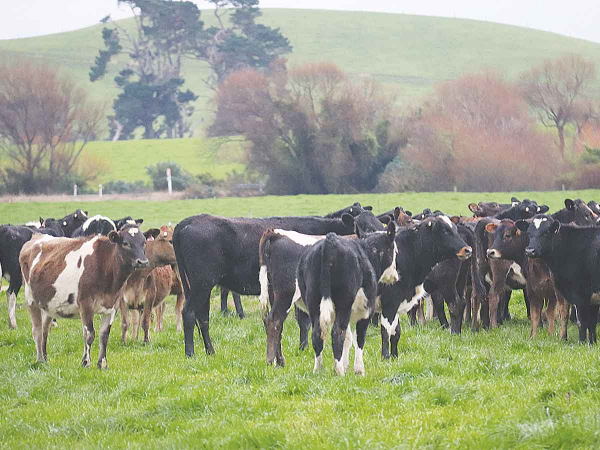
Combatting protein deficiency is important in lactating cows, explains Greg Jarratt, vet and director of Matamata Veterinary Services.
We have always been led to believe that cows in a New Zealand pasture-based system are flooded with protein throughout early lactation and up until the summer dry spell. However, often in early lactation the opposite is true and many cows are forced to strip weight in an attempt to ‘mine’ their own protein reserves.
This common perception of protein being in abundance arises from the fact that in pastoral based systems such as ours, where protein rich ryegrass makes up the majority of a cow’s diet, protein is always sufficient. In most cases this is true providing cows are fully fed and high quality ryegrass makes up the majority of feed on offer.
But here lies the problem. As we all know, there are a number of situations where cows are not fully fed. Early spring is one such time as farmers carefully monitor covers and set round length to match pasture growth rates. In these situations, it is not uncommon to find milking cows being offered 60 - 80 square meters per day (stocked at 125 – 170 cows/ha).
Even assuming an optimistic pasture harvest of 1500 kgDM/ha, pasture intake at this stocking rate equates to a meagre 9.0 – 12.0 kgDM pasture! At this level of feeding most farmers would agree a definite need to provide additional supplementary feed to avoid the wheels falling off. The real question is, what feed is best suited?
Running this type of scenario through ration evaluation software helps answer this question. Modelling predicts a cow’s diet in this situation is lacking in excess of 1000g of protein, meaning in order to maintain and ramp up production she will need to make up the shortfall from her own protein reserves. Many cows unfortunately do exactly this to the detriment of body condition, milk production and reproduction.
For this reason, protein rich feeds such as DDG, canola and soy meal become very useful when grazing areas are restricted to milking cows in early lactation and while these feeds may be perceived as expensive, a little tends to go a very long way.
So if you are still contemplating your cows’ dietary requirements and choice of supplements in early lactation, spare a thought for protein. Farmers that attempt to meet dry matter requirements as well as addressing specific nutrient deficiencies like protein generally reap the rewards overall.
Have a chat to your farm advisor, nutritionist or veterinarian about early lactation feeding and choice of supplements before spring arrives – if it hasn’t already!
• Greg Jarratt is a vet and director of Matamata Veterinary Services.
This article is brought to you by J. Swap Stockfoods.
Body Condition Score (BCS) is a critical element in managing the health and reproduction of the dairy herd.
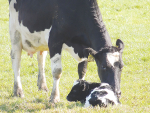
Giving calves the best possible start to life has been shown to boost growth and resilience.
The first weeks of a calf's life quietly shape the future of the entire herd.
In calf rearing, the smallest details often have the biggest impact. While feed and genetics remain critical, bedding is increasingly recognised as a key driver of calf health, growth, and overall performance.
For decades, probiotics in calf rearing have been treated as a reactive tool – something to reach for when illness strikes. That thinking, according to Matt Collier of Probiotic Revolution, is leaving significant money on the table.

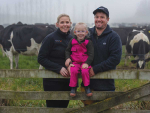
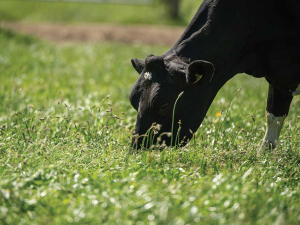
Farms across the upper North Island are trialling different pasture mixes as part of a research programme that aims to build greater resilience into farming systems.
Election years are always a concerning time for farmers, according to DairyNZ chair Tracy Brown.
The Ballance Farm Environment Awards are coming to the West Coast of the South Island.
Most dairy regions around the country have had a pretty good season so far says Tracy Brown.
Rural leader Mark Hooper has been appointed as an independent director to the NZPork board, bringing extensive farming, governance and advocacy experience to the role.


OPINION: It seems Canterbury processor Synlait is still in the doldrums.
OPINION: Get offside with New Zealand First leader Winston Peters at your own peril.