
Southern Dairy Hub Rides Out Wet Southland Winter
Managing feed by sticking to a firm plan has helped the Southern Dairy Hub (SDH) demonstration farm survive an extremely wet winter, says the farm's acting general manager Greg Delaney.




 increase font size
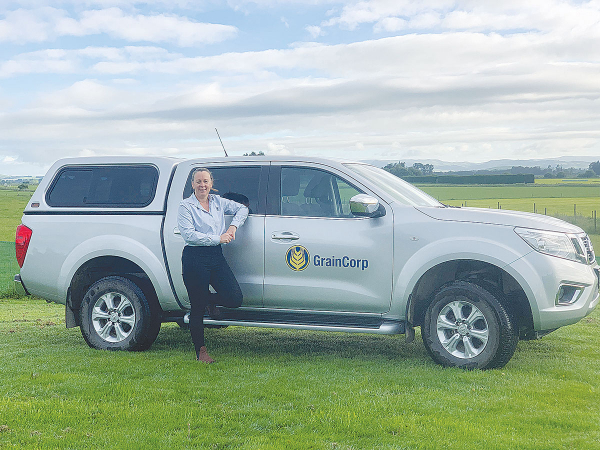 Annie Leadbeater, GrainCorp says sorting summer feed must be a priority for Southland farmers.
A challenging winter for Southland dairy farmers has affected cow condition coming into mating, which may impact calving spreads next season.
However, GrainCorp Feeds' new territory manager in Southland, Annie Leadbeater, claims there is still time to do something about it, but sorting summer feed must be a priority.
Leadbeater is a farm girl from the Waikato/Bay of Plenty, but has made her way down south to be closer to family. Now in Southland, her job is all about helping farmers maximise the productivity of their herd and profitability of their farm business. And from what Leadbeater has seen this year, they could use the help.
For Southland dairy farmers, 2021 has been a struggle. They’ve endured a terribly wet winter, with paddocks constantly under water and looking after stock in atrocious conditions, noted Leadbeater.
“Little wonder many farmers went into survival mode during those months. Their cows did likewise,” she says.
“Waterlogged grass is difficult for cows to harvest, and this winter’s pasture was low in energy and protein. That puts huge pressure on an animal’s metabolic system. She has to eat more just to maintain standard functions, which is why many animals have struggled to gain optimal conditioning this winter.
“You can see the effect when it comes to mating. The gap in pasture nutrition has meant that some of the girls haven’t had the energy to keep cycling. When this happens, there will be noticeable gaps in calving spreads next year. The challenge now is to get your summer feeding regime sorted to keep cows in milk for longer and improve their body condition.”
While Leadbeater’s job is to give farmers advice on feed, she says her first priority is understanding what’s happening on the farm.
She’s working with farmers now to identify any feed and nutrition gaps and help farmers bridge them with the right supplementary feed and custom blends. Accuracy is key. The more precisely she can define a herd’s feed issues, the higher the nutritional response she can help a herd achieve.
To understand the feed gaps, she needs to get on farm.
“Farmers are up to their necks in work right now. They aren’t happy when a product rep shows up unannounced, so I always call ahead to make sure it’s okay to come over. I had a farmer on the line the other day who said, ‘Are you happy talking to me while I go round in circles on the tractor?’ So, we were able to chat while he worked.”
Managing feed by sticking to a firm plan has helped the Southern Dairy Hub (SDH) demonstration farm survive an extremely wet winter, says the farm's acting general manager Greg Delaney.
Farmers across parts of Southland and South Otago are continuing to deal with difficult conditions after a prolonged run of wet weather, with pressure building around feed supply, stock management, pasture damage, farm infrastructure and everyday workloads.
In Dacre, near Invercargill in New Zealand’s South Island, Bruce Dinnington is running a dairy operation unlike any other.
OPINION: The stats speak for themselves.
With forecasters advising El Niño conditions will develop through winter and strengthen into spring and summer, Ballance Agri-Nutrients is encouraging farmers and growers to think ahead about nutrient planning and be prepared to work around challenging weather conditions.


Safer Farms is urging farmers to make sure everyone working on farm has safe, suitable footwear for the job.

The Government is backing work on a community-led water storage scheme that could irrigate up to 11,000 more hectares of the Poverty Bay flats, Agriculture Minister Todd McClay says.
Agri-tech company Herd-i has become a new all-region sponsor of the New Zealand Dairy Industry Awards (NZDIA), the largest nationwide celebration of excellence in the dairy sector.
Four candidates have been confirmed for two director positions on Fonterra’s board.
Returning to the family dairy farm after playing 20 years of professional rugby around the world is no easy task.
After delivering another record farmgate milk price to 100 supplying farms, independent milk processor Tatua is entering thee new financial year with a positive outlook.

OPINION: It seems Canterbury processor Synlait is still in the doldrums.
OPINION: Get offside with New Zealand First leader Winston Peters at your own peril.




