
Fonterra CFO Andrew Murray Resigns
Fonterra Co-operative Group chief financial officer Andrew Murray has resigned to take up a role outside the dairy giant.




 increase font size
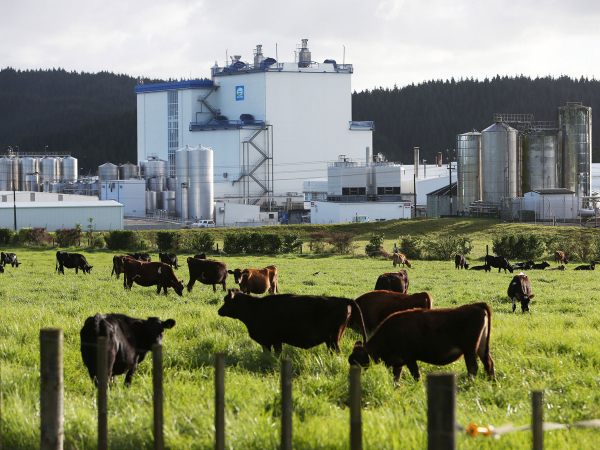 The longer the coronavirus lingers, the bigger the impact on Fonterra's earnings.
All eyes are on China as the country grapples with the deadly coronavirus.
The good news is that the number of new cases confirmed inside the country declined for two days in a row last week. The bad news is that global health officials have warned the coronavirus outbreak that has killed over 2,000 people and sickened more than 75,000 could get worse before it gets better.
For New Zealand exporters, China is a key market: with a two-way trade between NZ and its biggest trading partner was worth $28 billion in 2018 and growing.
For Fonterra, which has a $4 billion business in China, the longer the coronavirus lingers, the bigger the impact on earnings.
Fonterra sells milk powder, butter and cheese to Chinese customers. Infant formula and milk powders have a longer shelf life, so they can endure a longer wait in warehouses. The story is different when it comes to supplying cheese and ingredients to major food service customers.
With movement restricted within China, the food service sector has taken a hit; what impact it would have on Fonterra’s bottom line remains to be seen.
Not all NZ exporters are as fortunate as Fonterra. This month log exports from Gisborne port were put on a six-day hold as the coronavirus spooked exporters, as the Chinese economy was brought to a standstill.
While life is almost at a standstill in some major Chinese cities, people are still eating; food is still being delivered to millions of homes. And people are communicating and chatting on social media platforms.
NZ businesswoman Jane Li says the Chinese Government’s decision to extend Lunar New Year holiday by a week hammered many small businesses.
Her business, which sells NZ dairy products, is operating. Customers are communicating via popular Chinese social media site, WeChat.
Li says things will get back to normal fairly quickly once people are allowed out of quarantine. Most people are more afraid of being stuck at home for too long than from catching the coronavirus.
In the meantime NZ exporters can watch and hope that we will soon see the back of coronavirus.
The longer it lingers around, the worse it could be for the country’s lucrative Chinese business.
Fonterra Co-operative Group chief financial officer Andrew Murray has resigned to take up a role outside the dairy giant.

Four candidates have been confirmed for two director positions on Fonterra’s board.
A record farmgate milk price and strong global demand is laying the foundation for continued growth of organic dairy farming in New Zealand.
Waikato milk processor Tatua has again declared a record milk payout to farmer shareholders, leaving other processors in the dust.
Fonterra has unveiled its annual results for the 2026 financial year, posting $27 billion in revenue and close to $20 billion returned to New Zealand farmer owners and unit holders.


National’s pledge to introduce 19 new national standards shows the party is serious about getting Wellington out of farming, Federated Farmers says.
The National Party’s policies to make it easier to grow fresh vegetables, secure reliable water and energy and simplify farm planning are practical changes that will give growers the confidence to invest, according to Horticulture New Zealand (HortNZ).
Fonterra Co-operative Group chief financial officer Andrew Murray has resigned to take up a role outside the dairy giant.
A major move is about to get underway to improve the quality and viability of dairy beef and cattle in NZ.
Veterinarians say changes to the code of welfare for dairy cattle provides a positive foundation for improved cattle welfare across the country.
Today, 15 October, is the International Day of Rural Women, which recognises rural women’s contribution to farming, communities and the environment.


OPINION: It seems Canterbury processor Synlait is still in the doldrums.
OPINION: Get offside with New Zealand First leader Winston Peters at your own peril.




