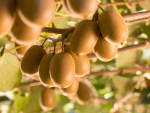
NZKGI Responds to Migrant Worker Exploitation Reports
Where any worker in the kiwifruit industry is mistreated, we expect the authorities to take action.



 increase font size
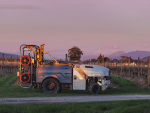
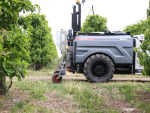
 NZKGI chief executive Colin Bond says the kiwifruit industry needs to turn to automation.
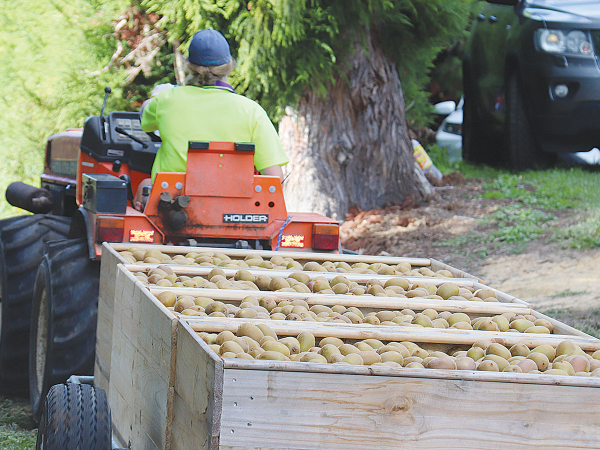
The kiwifruit industry needs to automate to protect growers from the labour challenges the industry faces.
That's the view of kiwifruit growers collective NZKGI's chief executive Colin Bond.
His comments come as the first kiwifruit for the new season starts to get picked.
Bond believes that automation, in the first instance, will likely be in the post-harvest area, which is easier to automate than in orchards. But he notes that this part of the supply chain takes up a lot of seasonal workers and with further automation they then could be diverted into the orchard area.
"This would be a good first step and buy us more time to grow the industry as we look for ways to automate in the orchard," he told Hort News.
Bond says there is a lot to be positive about as the season gets underway and he's predicting a bumper crop of 190 million trays - 10 million more than last year. He says there is a lot of demand in the market for our products. However, he points out the challenge is how to get all the fruit off the vines, safely through our supply chain and into markets.
Bond says labour is one of the biggest issues facing the industry. Historically around about 25% of the staff the sector employs com from overseas, which is a big hole to fill while borders are shut.
"We have been working very hard during the last few years trying to attract and retain more locals. We are only just starting our labour attraction campaign for this and over the last couple of years we have pulled in an additional 3,500 New Zealanders into our workforce during the seasonal peak," he says.
"We're hopeful we can do that again but it gets increasingly challenging as the unemployment rate drops and - as we know - every industry is screaming out for people."
Where any worker in the kiwifruit industry is mistreated, we expect the authorities to take action.

Kiwifruit growers are watchful but remain optimistic as concerns around the potential effects of the El Niño weather pattern this season.
More signs of a booming kiwifruit sector.
After delivering a strong financial year, rural trader PGG Wrightson says the coming months will depend on customer confidence and weather.
New Zealand growers have always adapted to changing conditions, but one challenge is steadily gaining ground across the horticulture sector: resistance.



LIC shareholders have elected a new North Island representative to the co-operative's Board, along with five representatives to its Shareholder Reference Group (SRG), following the company's Annual Meeting held in Invercargill.
Farmers across parts of Southland and South Otago are continuing to deal with difficult conditions after a prolonged run of wet weather, with pressure building around feed supply, stock management, pasture damage, farm infrastructure and everyday workloads.
Federated Farmers says it welcomes Labour's commitment to reviewing the Sharemilking Agreements Act, calling on other major parties to do the same.
For Canterbury dairy farmers Sian Meijer and Rick Wobben, wearable technology has become one of their most valuable on-farm tools - helping manage 1850 cows across an expansive, high-performing dairy operation while improving efficiency, mating outcomes and day-to-day decision making.
Fonterra has unveiled its annual results for the 2026 financial year, posting $27 billion in revenue and close to $20 billion returned to New Zealand farmer owners and unit holders.
The first major update to the Dairy Cattle Code of Welfare in more than a decade has been released, marking what DairyNZ describes as an important step in ensuring animal welfare standards continue to evolve alongside scientific evidence and on-farm realities.


OPINION: The same mainstream media muppets that brought you Jacindamania in 2017 have been flat out pimping for the Opportunities…
OPINION: Your old mate reckons the atrocious way farmers in the UK are treated by their lords and masters in…




