
James Blair Named 2026 Young Grower National Champion
James Blair, an agronomist for AS Wilcox and the Pukekohe regional champion, has won the 2026 Young Grower national title.



 increase font size
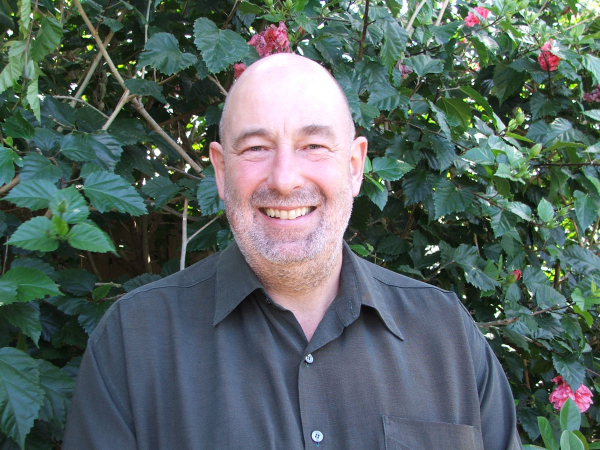 Mike Chapman wants proposed RMA amendments expanded to remove unnecessary regulation that is stifling growth of the horticulture sector.
HortNZ chief executive Mike Chapman says a complete overhaul of the Resource Management Act is urgently needed for NZ to recover quickly from the effects of Covid-19.
Chapman says the RMA needs to be streamlined, not for just a small number of major projects, but for all projects. He wants the scope of the RMA amendment expanded. He says the opportunity to remove unnecessary regulation is a key area in which NZ needs to take advantage because unnecessary regulation stifles growth.
“For our Covid recovery, we need to enable those industries that can grow, to grow, and grow rapidly to make up for those sectors that are in Covid decline,” Chapman told Hort News.
“First, we need to look at the sectors that will lead the financial Covid recovery and then look at how we can enable businesses in those sectors to continue producing and expanding. We need to find the RMA blockages and remove them, and if the blockages cannot be removed, we need to reduce their impact. We need to achieve this through a holistic lens that considers not only the environment but the need to drive economic success and New Zealanders’ wellbeing.”
Chapman says commercial vegetable growing is an active example. He says the country has never needed these vegetables more than we do today in the post Covid environment. He says closing down farmers markets and independent fruit and vegetable retailers during lockdown resulted in 20% of New Zealanders not having access to healthy food when they most needed it.
Chapman believes it’s important that everyone in the country has access to fresh fruit and vegetables. He says, to do that, we need to empower and enable our growers to grow that food.
“Our vegetable growers have endured static margins, increased production costs and exponentially increased compliance costs,” he adds. “Most of the compliance cost increases have come from RMA rules and regulations that have often been imposed based on pastoral farming, with no recognition that growing vegetables is very different to growing animals.
“One size does not fit all. The other fact that has been forgotten is vegetable growing has no meaningful impact on national water quality and contributes less than 1% to greenhouse gases,” Chapman adds. “And where there is an impact on water quality, it is very localised, and that impact is being progressively reduced by the growers.”
He points out that all the vegetables in NZ are grown on less than 50,000 hectares. Dairy farms, by way of comparison, use more than 2 million hectares of land, and beef and lamb more than 8 million hectares. Simple logic, he notes, dictates just how minimal the environmental impact of vegetables is.
James Blair, an agronomist for AS Wilcox and the Pukekohe regional champion, has won the 2026 Young Grower national title.
Blueberries have the potential to become a major horticultural export, earning up to $150 million within the next three to five years.
OPINION: Mike Chapman, former chief executive of levy-funded HortNZ, has thrown out a challenge to farmers and growers to put their levy-funded industry organisations under the same scrutiny as fertiliser, electricity, labour and freight.
New Zealand needs to make sure that it continues to focus on its own food security, according to HortNZ board member and blueberry grower Dermott Malley.
According to a progress report on the Aotearoa Horticulture Action Plan (AHAP), New Zealand's horticulture sector is making real progress on the big issues facing growers.


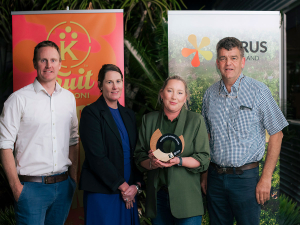
New Zealand's citrus growers were challenged to build their future on the value embedded in their fruit rather than the volume they produce, at Citrus New Zealand's annual gathering in Gisborne on 17 September.
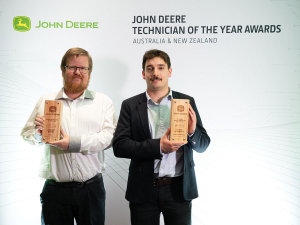
Leading John Deere technicians and apprentices from New Zealand and Australians were recognised at the recent sixth annual JD Technician of the Year Awards, held in Brisbane.
In Dacre, near Invercargill in New Zealand’s South Island, Bruce Dinnington is running a dairy operation unlike any other.
A free online platform aggregating governance vacancies across rural and regional New Zealand has been launched.
Environment Minister Nicola Grigg has announced details of a new rural plastics recycling scheme.
Agricultural drone operators say that a government decision to allow lower-risk drone work without certification won’t lower standards but drive innovation and efficiency.



OPINION: The same mainstream media muppets that brought you Jacindamania in 2017 have been flat out pimping for the Opportunities…
OPINION: Your old mate reckons the atrocious way farmers in the UK are treated by their lords and masters in…




