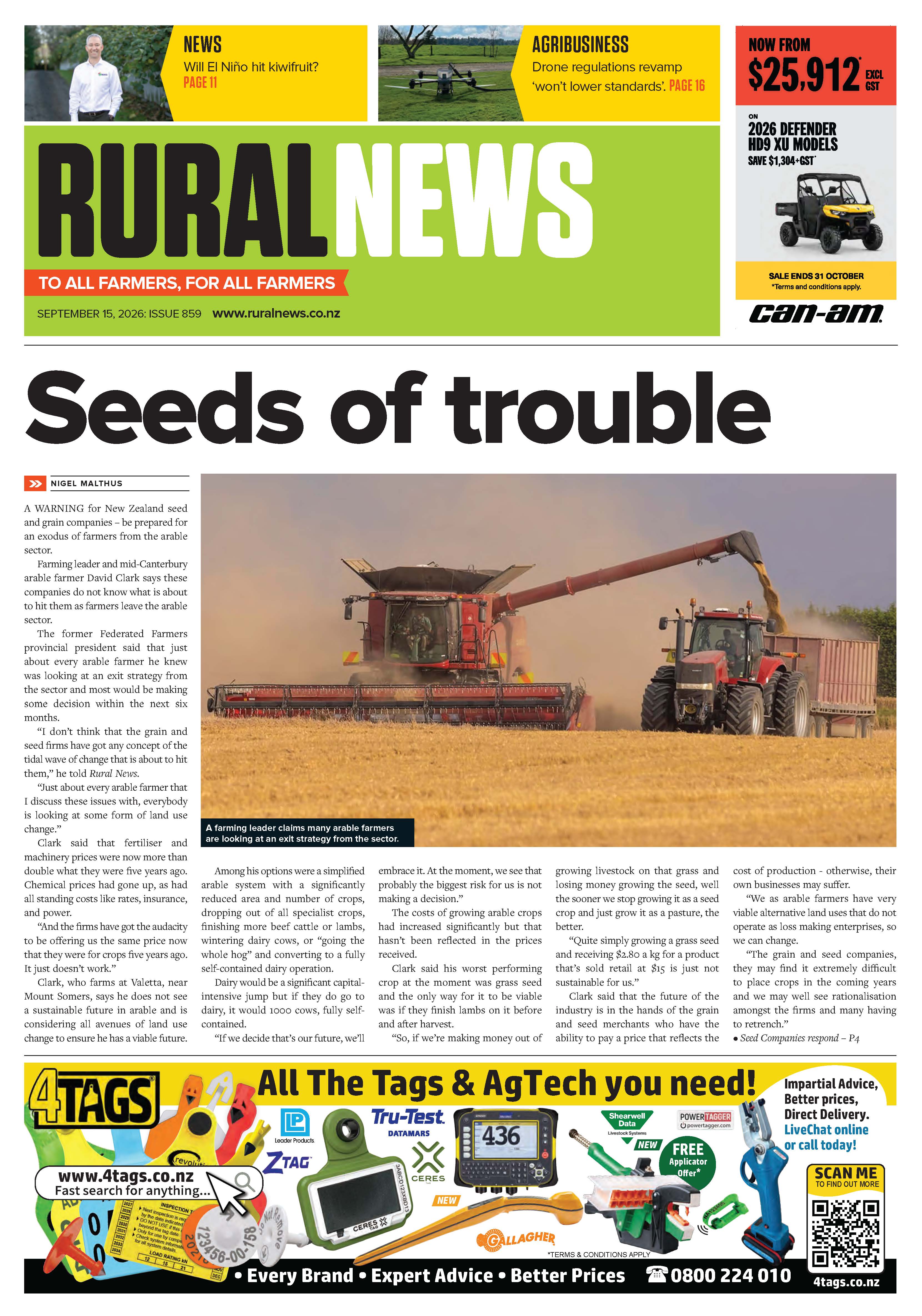
Beef + Lamb NZ's Lambing Kit Checklist for a Tough Season
With lambing underway in many regions, Beef + Lamb New Zealand is encouraging farmers to put together a wellequipped lambing kit to help minimise lamb losses, particularly in bad weather.




 increase font size
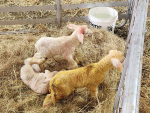
 Areas such as Southland and the central North Island are touted as potential sheep milking regions.
Interest in dairy sheep is slowly but surely rising in New Zealand, claims real estate company Bayleys.
Because dairy conversion faces environmental and economic constraints, milking sheep farmers are taking notice in Southland and central North Island, the company says.
Bayleys rural consultant Hayden McCallum, in Invercargill, says that region offers opportunities for milking sheep, given its strong sheep sector and pastoral property base.
It is home to a large dairy sheep operator, Antara Ag, which exclusively supplies Blueriver Nutrition HK, milking 15,000 East Friesian-Poll Dorset ewes on three Southland farms. It manufactures infant formula from sheep’s milk for export to China, the first company in NZ to do so.
Ultimately the company intends to take on farmer suppliers in what may be a syndicated ownership structure.
McCallum says the central North Island also has sheep milkers, for example, Waituhi Kuratau Trust milking 3000 ewes near Turangi. And Landcorp is starting this season in partnership with SLC Group.
The companies formed Spring Sheep Dairy, focused on high value products rather than bulk dried powder exports.
This group is now milking 3000 ewes on Wairakei Estate between Taupo and Rotorua. Their milk is processed at Hamilton’s Innovation Park into high value yoghurt, pro-biotics, ice cream and protein products aimed at the fitness market.
McCallum says as rural catchments face stricter control of farm nutrient losses and management, converting more land to dairying gets tougher. But dairy sheep, with their relatively low level of nutrient losses, are an option.
“It appears to be an industry whose time may have come. For many sheep farmers seeking a succession plan, sheep milking may provide a pathway to helping boost farm returns for the next generation to buy into, without necessarily converting the entire farm.”
Globally the dairy sheep market is estimated to be worth US$8 billion at the farmgate, 2% of the dairy cow milk market. But westernised Asian consumers with lower lactose tolerance prefer sheep’s milk. It averages 18-19% milksolids versus about 12% for cow’s milk.
Returns from the milk are typically $2/L – $17/kgMS.
Work by Nuffield scholar Lucy Griffiths identified some of the short term issues facing the industry in its efforts to expand. A key one is the need to avoid the usual approach to marketing bulk commodity type product and instead focus on high value niche products in health, infant formula and gourmet food.
A robust financial model is needed to show farmers the financial benefits of dairy sheep, she says.
Keith Neylon, director of Antara Ag, Southland, and founder of Blue River Dairy, says his company will milk more sheep next year. The company has grown its genetic base and can offer genetic stock to new farmers.
Supply deals resemble conventional dairy farmer supply agreements with a processer, receiving monthly payments for milk supplied.
“Our growth has been demand led, not dissimilar to what the dairy goat industry has also experienced. We are number-two in the world in recognition of quality and it has taken us only 10 years to achieve it. Our best cheeses are renowned globally now, including our Blackmount cheddar as a gold medal winning cheese.”
Neylon says the scale a new dairy sheep farmer may want to operate on will depend upon their financial position and their equity in their property that would enable them to adapt the farm to dairy sheep.
With lambing underway in many regions, Beef + Lamb New Zealand is encouraging farmers to put together a wellequipped lambing kit to help minimise lamb losses, particularly in bad weather.
Will a stronger, more coordinated voice help rebuild confidence and improve returns in the wool sector?
The latest data from the Real Estate Institute of New Zealand (REINZ) reveals a mixed rural property market due to consistent inflation concerns.
The Real Estate Institute of New Zealand (REINZ) has released its latest rural property report, providing a detailed view of New Zealand’s rural real estate market for the 12 months ending December 2025.
Sheep infant nutrition maker Blue River Dairy is hoping to use its success in China as a springboard into other markets in future.


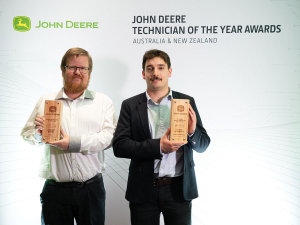
Leading John Deere technicians and apprentices from New Zealand and Australians were recognised at the recent sixth annual JD Technician of the Year Awards, held in Brisbane.
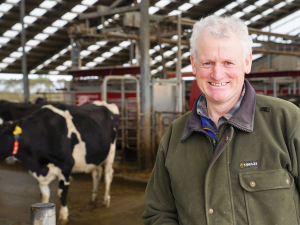
In Dacre, near Invercargill in New Zealand’s South Island, Bruce Dinnington is running a dairy operation unlike any other.
A free online platform aggregating governance vacancies across rural and regional New Zealand has been launched.
Environment Minister Nicola Grigg has announced details of a new rural plastics recycling scheme.
Agricultural drone operators say that a government decision to allow lower-risk drone work without certification won’t lower standards but drive innovation and efficiency.
OPINION: Warning bells are ringing in the arable sector.




OPINION: The same mainstream media muppets that brought you Jacindamania in 2017 have been flat out pimping for the Opportunities…
OPINION: Your old mate reckons the atrocious way farmers in the UK are treated by their lords and masters in…