
Diplomatic Incident
OPINION: Your old mate hears an international incident is threatening to blow up the long-standing Anzac alliance as Kiwis and Aussies argue over who wants new Australian resident and former NZ Prime Minister Jacinda Ardern.




 increase font size

AUSTRALIA’S WOOL growers have spent A$7 million in five years fighting a national wild dog plague that threatened to put them out of business.
The money, channeled through the R&D and marketing body Australian Wool Innovation (AWI) has funded research to preserve access to existing baits and develop new ones, document the social impact of wild dogs, and co-ordinate local, regional and national dog control work.
Australia’s wild dogs include dingoes, feral domestic dogs and hybrids. Combined, their attacks are estimated to cost at least A$50 million a year.
But while wild dogs remain a scourge for sheep producers, AWI says results from its community wild dog control initiative (CWDCI) show progress is possible.
A survey of 2200 landholders involved in CWDCI projects nationwide found 25% of respondents had de-stocked but now intended to re-introduce sheep, and 33% intended to increase sheep numbers. Some 60% said their feeling of personal wellbeing had improved and 51% reported positive biodiversity impacts.
Among 251 landholders, stock losses had reduced 70%, from an average of 310/farmer to 86. Valuing replacements at the national average of A$86/head that’s effectively A$19,000 saved.
A four-year AWI funded trial showed increasing aerial 1080-drop bait density from 10/km to 40/km increased wild dog kill from 55% to 90%. Consequently higher density baiting is now possible under permit from the Australian Pesticides and Veterinary Medicines Authority.
AWI general manager of research Paul Swan says wild dogs still represent one of the greatest threats to the sheep and wool industry in large areas but AWI’s development of tools and local and regional networks mean they are “starting to see positive results….
“However, while we should commend the efforts of the many contributors to these on-ground efforts, we should make no mistake: there is a long way to go.”
OPINION: Your old mate hears an international incident is threatening to blow up the long-standing Anzac alliance as Kiwis and Aussies argue over who wants new Australian resident and former NZ Prime Minister Jacinda Ardern.

OPINION: Your old mate hears that at a recent China Business Summit, PM Christopher Luxon delivered a none-too-subtle "could try harder" report card on the red meat industry regarding its exports to China - particularly when compared to Australia.
More Australian states are embracing virtual fencing technology, opening growth opportunities for Kiwi companies like Halter.
Fonterra says its ongoing legal battle with Australian processor Bega Cheese won’t change its divestment plans.
Farmers in the Australian state of New South Wales will soon be able to use virtual fencing and herding technology to boost farm productivity.


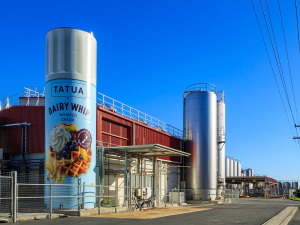
Waikato milk processor Tatua has again declared a record milk payout to farmer shareholders, leaving other processors in the dust.

A Labour-led Government won’t be bringing back the controversial freshwater rules of 2020.
National’s much-touted free trade deal with India featured in the Rural Issues Debate at Mystery Creek, Hamilton on Wednesday night.
New Zealand's 2026-27 freshwater fishing season has opened, with anglers encouraged to head to rivers and lakes over the coming days as conditions look favourable across much of the country.
Central Otago District Council (CODC) has voted against a plan to spread treated sewage sludge from Cromwell and Alexandra on farmland near Lauder, a decision Federated Farmers says reflects strong opposition from rural residents.
Pāmu has released its FY26 Integrated Annual Report, reporting a Net Operating Profit of $113 million, more than double the $49 million recorded in FY25.





OPINION: The same mainstream media muppets that brought you Jacindamania in 2017 have been flat out pimping for the Opportunities…
OPINION: Your old mate reckons the atrocious way farmers in the UK are treated by their lords and masters in…




