BCS Targets: Why Body Condition Score Matters at Calving
Body Condition Score (BCS) is a critical element in managing the health and reproduction of the dairy herd.




 increase font size
 The data, collected from LIC’s MINDA software, showed that at 22 months, heifers on average are around 4-5% below MINDA guidelines.
Dairy farmers can easily track the performance of their replacement heifers and ensure they reach their genetic potential.
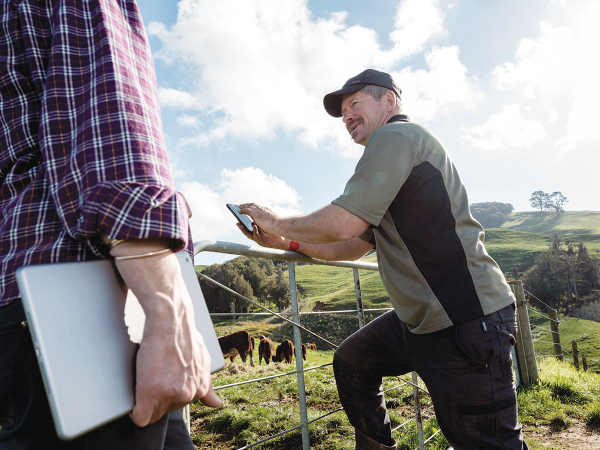
Weighing technology can help farmers to meet crucial heifer liveweights at first mating and calving boosting in-calf rates and increasing milk production, says Gallagher head of animal performance and traceability Brian Rose.
New data from LIC shows that too many farmers are not weighing their heifers when they return from grazing – and are missing out on big genetic gains as a result. LIC believes the impact on farms is huge, leading to poor heifer fertility and production. It means farmers are not maximising their return on investment from breeding the heifer and are risking her first-year production potential.
Rose says while the statistics are not ideal, there is simple technology available that can help. He says electronic identification (EID) and weighing solutions are now able to give farmers accurate information on whether their heifers are meeting the targets.
Each animal’s EID number is scanned using a portable hand-held tag reader or hands-free reader in the yards, which are connected to a compatible weigh scale to collect weights and other livestock records.
The target heifer weights and dates can be imported from MINDA, which means the farmer can see in real time if each individual heifer is on track to meet her targets. If not, it presents an opportunity to adjust management practices accordingly.
Body Condition Score (BCS) is a critical element in managing the health and reproduction of the dairy herd.
Bull management involves ensuring the right number of healthy bulls for your herd, minimising stress and reducing injury risks.
It's easy to look over a lush spring paddock and assume cows are getting enough usable nutrition. But while fast-growing pasture can give plenty of volume, in high moisture, variable dry matter and uneven mineral profile can leave real nutrition gaps when cows need it most.
An LIC bull, Tronnoco AR Sadio-ET S3F, bred by Tony and Keri O'Connor of Tronnoco Farming Co Ltd near Timaru, has won the 2026 Mahoe Trophy.
Rearing facilities should be set up and maintained well to ensure calves stay healthy.



Celebrating 50 years in the rural landscape of Central Canterbury and beyond, Ashburton-based Carrfields, has been the exemplar for all aspects of modern agriculture via its extensive range of services including supply, growing, agronomic advice and marketing.

For Taupiri dairy farmers Logan and Sian Dawson, their involvement in the NZ Dairy Industry Awards has been a key catalyst in the growth of their business - the experience helping shape how they approach the farm ownership pathway they are pursuing today.
West Otago dairy farmer Luke Kane has been awarded the 2026 Rabobank Dr John Morris Business Development Prize.
OPINION: As the general election approaches, political parties are churning out policies in the hope of attracting more votes.
An LIC bull, Tronnoco AR Sadio-ET S3F, bred by Tony and Keri O'Connor of Tronnoco Farming Co Ltd near Timaru, has won the 2026 Mahoe Trophy.
With forecasters advising El Niño conditions will develop through winter and strengthen into spring and summer, Ballance Agri-Nutrients is encouraging farmers and growers to think ahead about nutrient planning and be prepared to work around challenging weather conditions.




OPINION: The same mainstream media muppets that brought you Jacindamania in 2017 have been flat out pimping for the Opportunities…
OPINION: Your old mate reckons the atrocious way farmers in the UK are treated by their lords and masters in…