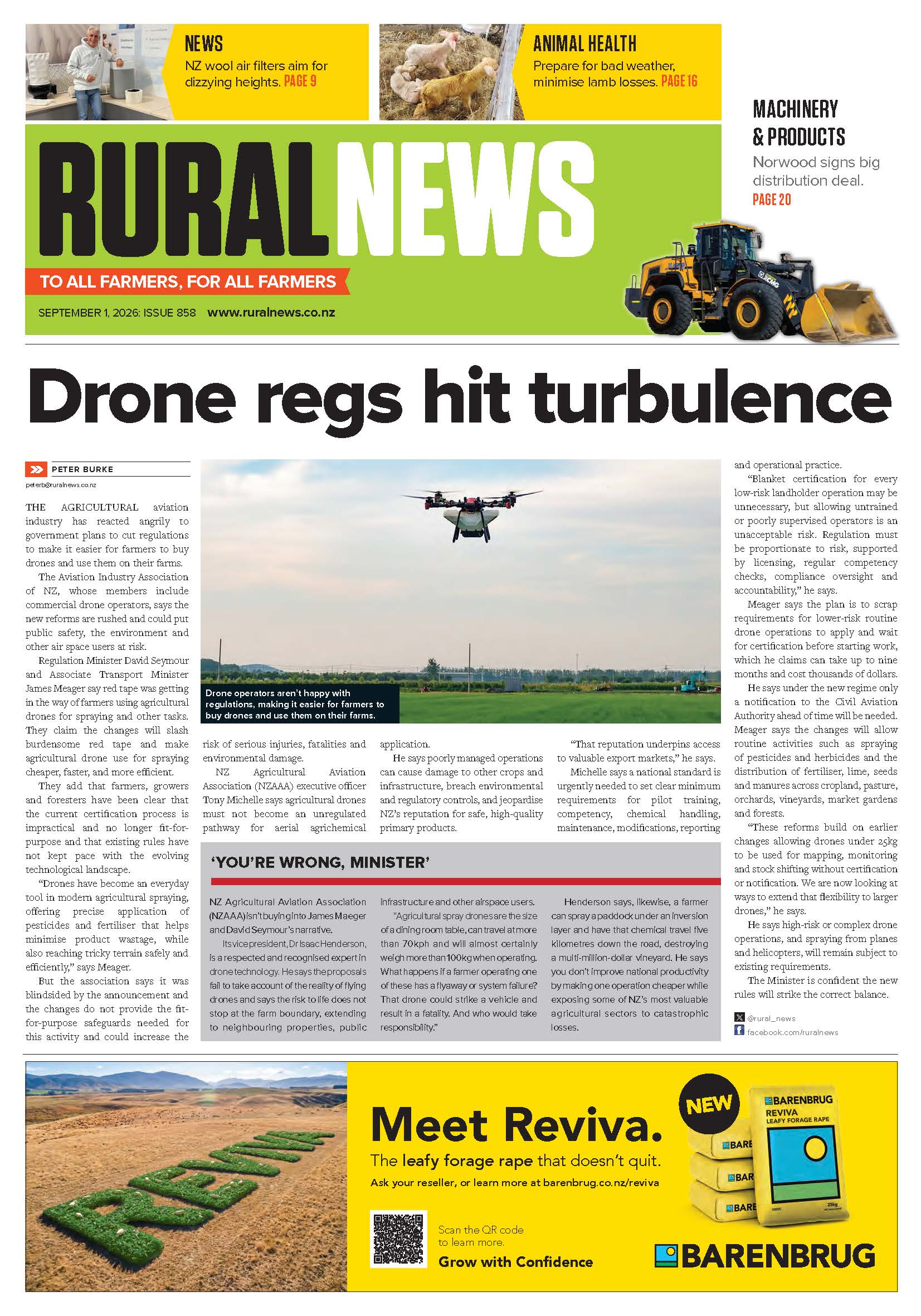
Beef + Lamb NZ's Lambing Kit Checklist for a Tough Season
With lambing underway in many regions, Beef + Lamb New Zealand is encouraging farmers to put together a wellequipped lambing kit to help minimise lamb losses, particularly in bad weather.




 increase font size
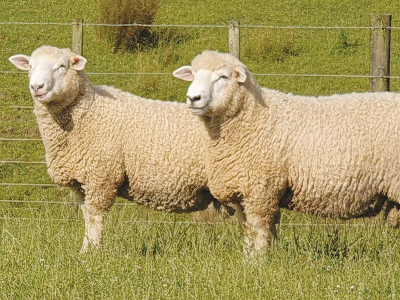 Kiki Rams KIKI 1066-18 on the left (purchased by BrownPhilip) and KIKI 349-18 (purchased by Tennent).
Prices were up on average $400 at the 30th Annual Kikitangeo Romney stud ram sale.
The stud has bred worm resistant rams for 33 years.
A feature of the sale, held on December 4 last year, was that 66% of the rams had never been drenched in an area of the highest worm challenge, says stud principal Gordon Levet.
Thirteen ram breeders from Southland to Northland attended the sale and purchased stud sires to breed the worm resistant trait into their flocks.
In total, 101 rams were sold at an average of just over $2000, on average $400 better than in 2018, says Levet.
A top price of $8700 was paid by Waikato breeders Alistair Reeves and Chris Brears. Rob Tennent of the well-known Pahiwi Stud in Hawkes Bay paid $5500 for an FE tested sire. Well known, longtime Feilding and Hawkes Bay breeders Richard Brown and Willie Philip shared a sire purchased for $5600.
This sire was ranked third for worm resistance out of 400, with a DPF of 926 (the SIL measurement for worm resistance) and also had a nil reaction to an FE test of 0.60mg/kg.
Levet says it was very pleasing to be recognised by other ram breeders, after spending 33 years breeding for the worm resistant trait. He says this involved taking about 20,000 dung samples from lambs and having laboratory staff count worm eggs and analyse the results.
Levet estimates that in two years, all Kikitangeo rams sold will reach the “never been drenched” standard, farmed in an area of high worm challenges.
He says in the long term, farmers will have to concede that genetics, ie sheep breeding, is the best means of producing sheep able to withstand worm challenge. This may be the only way to counter worms and the problems of drench resistance.
The only disappointing aspect of the sale was several rams passed in due to insufficient commercial buyers, he says. All of these rams were structurally sound, had a high degree of FE tolerance and the highest degree of worm resistance in the country.
Auctioneer Cam Heggie of PGG Wrightson says it was a good sale. The stud’s facial eczema testing was a factor, but the biggest factor was Levet’s worm resistance breeding programme.
He says Levet is “the absolute guru” and his flock leads in worm resistance.
“There would have been as good a turnout at that sale of registered stud buyers as we have seen this year. We sold rams into Southland, we have a few rams heading to the South Island. We had buyers that came from over the entire country. That is the regard in which Gordon is held for the programme he has.”
The interest in breeding for worm resistance is definitely on the increase, says Heggie.
“With drench resistance becoming an issue this is one way to combat it. It is only going to become more significant to ram breeders that they breed rams along those lines.”
With lambing underway in many regions, Beef + Lamb New Zealand is encouraging farmers to put together a wellequipped lambing kit to help minimise lamb losses, particularly in bad weather.

New Zealand wool is reaching new heights as air filtration companies move away from synthetic products to biodegradable alternatives.
Will a stronger, more coordinated voice help rebuild confidence and improve returns in the wool sector?
OPINION: Confidence in the wool sector is rebounding as prices hit levels not seen in more than 15 years.
The recently signed free trade agreement with India is an invitation to strengthen relationships between the New Zealand and Indian strong wool industries, says Wool Impact chief executive Andy Caughey.



Now in its fourth year, the 2026 Fencing Industry Awards, formed part of the proceedings of the FCANZ Conference, held in Nelson during August.
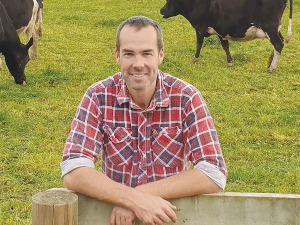
DairyNZ deputy chair Cameron Henderson has been re-appointed unopposed for another term.
OPINION: The stats speak for themselves.
Farms across the upper North Island are trialling different pasture mixes as part of a research programme that aims to build greater resilience into farming systems.
Election years are always a concerning time for farmers, according to DairyNZ chair Tracy Brown.
The Ballance Farm Environment Awards are coming to the West Coast of the South Island.

OPINION: The same mainstream media muppets that brought you Jacindamania in 2017 have been flat out pimping for the Opportunities…
OPINION: Your old mate reckons the atrocious way farmers in the UK are treated by their lords and masters in…