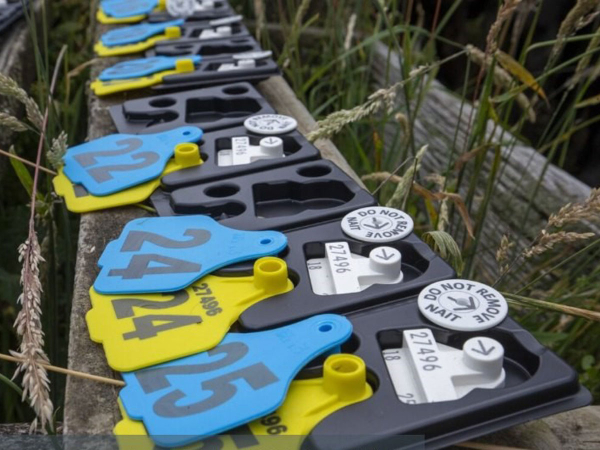
Animal disease management agency OSPRI has written off nearly $17 million after a botched attempt to launch a new integrated animal disease management and traceability system.
In response OSPRI shareholders – DairyNZ, Beef and Lamb NZ and Deer Industry NZ – have announced major changes to the Information Systems Strategic Programme (ISSP) and to OSPRI’s governance structure, including the resignation of board chair.
The chairs of DairyNZ, Beef + Lamb NZ and Deer Industry NZ say they commissioned two reports on OSPRI – the first to examine the extent of the problems with the ISSP programme and the second on the organisation’s governance structure.
“Since then, we have been instigating major changes to strengthen OSPRI’s capability and transparency to help get the project back on track and ensure it won’t happen again.
“OSPRI has updated farmers this week on several developments, including a $16.6 million impairment (write-off) related to the MyOSPRI platform, next steps on the technology project, the resignation of OSPRI chair Paul Reynolds – with Fenton Wilson nominated as interim chair, and the shareholder-initiated governance changes now in place which have delivered three new OSPRI board directors.
“As a result of the review and an independent assessment of the technology, the OSPRI Board has now decided to stop work on MyOSPRI and prioritise rebuilding a NAIT system that in the future will be able to integrate with other OSPRI systems. OSPRI has advised no additional funding is required at this time.
“The most important thing for us is to ensure OSPRI is successful, and you’ll see we have taken significant and necessary steps to help enable this.”
Read More
Opsri is funded by farmer levies and a contribution from the Government through the Ministry for Primary Industries.
Shareholders changed the OSPRI constitution to implement the following governance improvements at OSPRI:
- A new shareholders and funder group has been established with a direct role in monitoring the overall performance and functioning of the OSPRI board. The OSPRI board is accountable to this group, with formal reporting and quarterly meetings with senior industry representatives and MPI.
- This group takes over the responsibility for selecting director candidates for the OSPRI board.
- Three new directors have been appointed to fill current vacancies on the OSPRI board, effective from 1 November:
- Mark Todd (also a director of DairyNZ)
- Alexandre Guilleux (also a director of B+LNZ)
- Hugh Martyn (previously an OSPRI board observer)
- Separately, two new directors, Tony Cleland and Louise Cullen, will replace outgoing directors James Parsons and Fenton Wilson following OSPRI's annual meeting later this month.
The Stakeholders’ Council has been disestablished and replaced with a Stakeholder Forum, meeting at least every six months, with an aim to facilitate deeper engagement between OSPRI and its stakeholders and enable OSPRI to receive feedback on the operation of OSPRI and its subsidiaries.
The chairs say they are “very disappointed” with the failures in the ISSP project.
“It is clear that OSPRI’s leadership and capability in relation to this technology upgrade needed significant improvements. These new arrangements, underpinned by the revised legal constitution, will enable shareholders and funders to keep OSPRI accountable for providing greater transparency, performance, and decision-making into the future.
“The improvements made give us confidence the organisation can deliver on its promise to provide a NAIT replacement system that meets the needs of New Zealand’s primary sector. We are assured that these issues do not affect the existing NAIT programme, and farmers can continue to depend on NAIT for traceability and disease management purposes.”