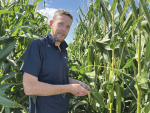
Fall Armyworm in NZ Maize: Four Years of Research
Four years since it was first detected in New Zealand, researchers and growers now know much more about management of maize pest fall armyworm (FAW).




 increase font size

Primary Growth Partnership (PGP) funding was announced today to pay for half of a $14 million research programme to deliver better seeds and plant species for farmers.
Proprietary seed company PGG Wrightson Seeds is leading the programme, working with a number of research organisations.
The PGP is committing $7.15 million over six years for the programme worth $14.6 million in total.
MPI Director-General Wayne McNee announced the funding for the new Seed and Nutritional Technology Development programme.
"The Seed and Nutritional Technology Development programme works on many fronts to ensure farmers will have access to the best pasture and forage crop technologies," McNee says.
"We are pleased to see innovative approaches that will address current challenges such as improving feed conversion efficiency, as well as taking the opportunity to mitigate environmental challenges such as soil erosion and drought stress."
Dr Derek Woodfield, general manager – research and development of PGG Wrightson Seeds, welcomes the funding announcement and says: "The PGP funding will allow PGG Wrightson Seeds and its research partners to focus on delivering a suite of new technologies that will keep New Zealand farmers internationally competitive."
Primary Industries Minister David Carter has welcomed the successful PGP bid which lifts the total allocated to around $600 million.
"In just three years, the PGP programme has worked with industry to develop some of the most exciting primary sector research and innovation proposals New Zealand has ever seen," says Carter.
"Co-funding of these projects by government and industry is what PGP is all about – a joint commitment to growing our economy through greater investment in R&D."
The PGP programmes currently underway cover sectors including wool, red meat, dairy, seafood, manuka honey and forestry.
Four years since it was first detected in New Zealand, researchers and growers now know much more about management of maize pest fall armyworm (FAW).

After delivering a strong financial year, rural trader PGG Wrightson says the coming months will depend on customer confidence and weather.
Generative AI in the workplace, trials in the field, and industry-relevant research took centre stage at this year’s Grape Days events in Central Otago, Hawke’s Bay and Marlborough.
Strong competition and tightening supply have seen wool reach its highest prices paid at auction since 2011.
A firm belief in the agricultural sector has kept the PGG Wrightson business going for 175 years, says chief executive Stephen Guerin.



LIC shareholders have elected a new North Island representative to the co-operative's Board, along with five representatives to its Shareholder Reference Group (SRG), following the company's Annual Meeting held in Invercargill.
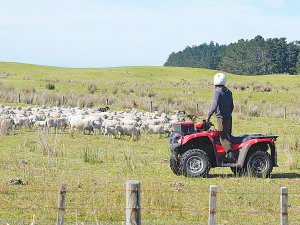
Farmers across parts of Southland and South Otago are continuing to deal with difficult conditions after a prolonged run of wet weather, with pressure building around feed supply, stock management, pasture damage, farm infrastructure and everyday workloads.
Federated Farmers says it welcomes Labour's commitment to reviewing the Sharemilking Agreements Act, calling on other major parties to do the same.
For Canterbury dairy farmers Sian Meijer and Rick Wobben, wearable technology has become one of their most valuable on-farm tools - helping manage 1850 cows across an expansive, high-performing dairy operation while improving efficiency, mating outcomes and day-to-day decision making.
Fonterra has unveiled its annual results for the 2026 financial year, posting $27 billion in revenue and close to $20 billion returned to New Zealand farmer owners and unit holders.
The first major update to the Dairy Cattle Code of Welfare in more than a decade has been released, marking what DairyNZ describes as an important step in ensuring animal welfare standards continue to evolve alongside scientific evidence and on-farm realities.




OPINION: The same mainstream media muppets that brought you Jacindamania in 2017 have been flat out pimping for the Opportunities…
OPINION: Your old mate reckons the atrocious way farmers in the UK are treated by their lords and masters in…




