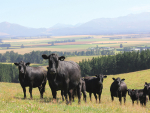
BVD Control Begins Long Before You See A Problem
Bovine Viral Diarrhoea (BVD) is sometimes viewed as a dairy industry issue, but the reality is that the disease can have serious consequences for beef breeding herds as well.




 increase font size
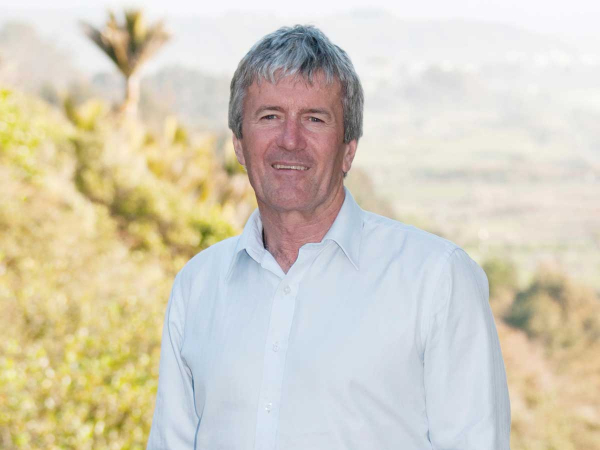 Biosecurity Minister Damien O'Connor.
Biosecurity Minister Damien O’Connor is celebrating a new milestone in the fight against wilding conifers.
Speaking yesterday at the 2022 Wilding Pine Conference in Blenheim, O’Connor said there was a visible difference from the work done to get the upper hand on wildings.
“Analysis showed that left unchecked, wildings would cost the economy $5.3 billion,” O’Connor told attendees.
He says the Government had made the right call when it announced $100 million of Jobs for Nature funding at the 2020 conference.
“The National Wilding Conifer Control Programme has since treated more than two thirds of the known infestations around the country at least once.
“From the dune lakes of the Te Aupōuri Peninsula in Northland, to the high country of Molesworth, and to the sacred Motupōhue Bluff Hill at Invercargill, the scenes are striking. Native tussock, bush and grazing land are recovering, and the outlook for biodiversity is brighter.”
O’Connor says that two phases of control have been completed across 33% of the national known infestation, and a first phase of control has been performed on a further 37%.
“That means the spread has been stopped or slowed in these areas, and efforts can shift to stopping re-infestation over the next few years - which is progressively less costly.”
In 2018, a cost benefit analysis report showed that if the programme focused control efforts on 1.8 million hectares of the most vulnerable landscapes, it could protect 7.25 million hectares from further infestation.
The programme looks set to exceed that target.
“The control of wilding pines delivers huge benefits for New Zealand’s economy and rural communities and supports resilience to the impacts of climate change – through reducing impacts on productive land, hydro-power generation, and reducing the threats from intense wildfires,” O’Connor said.
He said the programme has carried out searching, pulling, sawing, spraying and felling.
Additionally, iwi, community volunteers, landowners and foresters have worked to manage the land, O’Connor said.
“The final $35 million of Jobs for Nature funding will be spent over the next two years to continue the highest priority control work. It will progressively transition cleared land back to landowners where it is feasible for them to take over ongoing management to prevent reinvasion.
“With the results of the control work clear to see and the broad economic benefits understood, I hope to work with organisations to ensure funding is in place to keep up the pace of this essential work.”
Bovine Viral Diarrhoea (BVD) is sometimes viewed as a dairy industry issue, but the reality is that the disease can have serious consequences for beef breeding herds as well.

Election years are always a concerning time for farmers, according to DairyNZ chair Tracy Brown.
Testing confirms H5 bird flu in a single northern giant petrel, found dead on a remote Cape Palliser beach in the Wairarapa, says Dr Mary van Andel, the Ministry for Primary Industries' (MPI) Chief Veterinary Officer.
Bovine Viral Diarrhoea (BVD) is sometimes viewed as a dairy industry issue, but the reality is that the disease can have serious consequences for beef breeding herds as well.
Four years since it was first detected in New Zealand, researchers and growers now know much more about management of maize pest fall armyworm (FAW).


National’s pledge to introduce 19 new national standards shows the party is serious about getting Wellington out of farming, Federated Farmers says.
The National Party’s policies to make it easier to grow fresh vegetables, secure reliable water and energy and simplify farm planning are practical changes that will give growers the confidence to invest, according to Horticulture New Zealand (HortNZ).
Fonterra Co-operative Group chief financial officer Andrew Murray has resigned to take up a role outside the dairy giant.
A major move is about to get underway to improve the quality and viability of dairy beef and cattle in NZ.
Veterinarians say changes to the code of welfare for dairy cattle provides a positive foundation for improved cattle welfare across the country.
Today, 15 October, is the International Day of Rural Women, which recognises rural women’s contribution to farming, communities and the environment.



OPINION: The same mainstream media muppets that brought you Jacindamania in 2017 have been flat out pimping for the Opportunities…
OPINION: Your old mate reckons the atrocious way farmers in the UK are treated by their lords and masters in…




