
Don’t be a slave to your debt
OPINION: Clicking through some news of late, I have noted the odd headline referring to credit card debt.




 increase font size
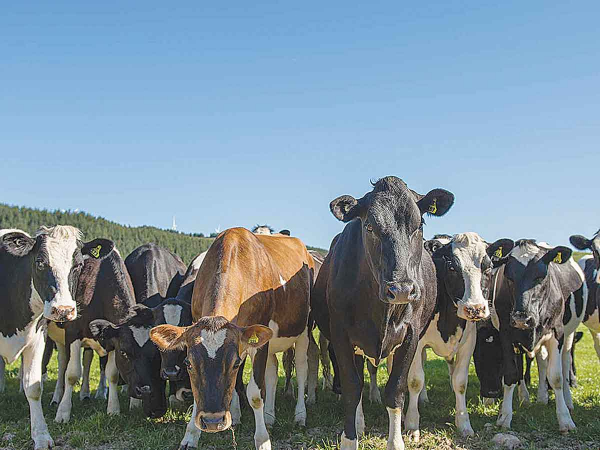 Farmers have been advised talk to their financial advisers before signing up to the scheme.
Dairy farmers can unlock capital in their dairy herds in a $1 billion herd leasing scheme launched last week.
Agri-finance company StockCo Capital says its pioneering herd leasing service will help dairy farmers raise capital, rebalance their finances and grow their business.
General manager Will Purvis told Rural News that the initial response from farmers has been “really positive”.
Purvis says farmers are enquiring about using the scheme to pay off bank debts, meet drought-related costs and for infrastructure projects like new effluent systems.
“We did a market sounding exercise within our network and a few farmers have already signed up.”
Under the scheme farmers will sell their cows to StockCo Capital and agree to lease them back. Cows are valued between $1,500 and $1,800 each. An average 400-cow herd can raise $625,000 under the scheme.
The scheme is initially open to Fonterra farmers because Purvis says scheme funder Greensill, a global provider of working capital finance is taking “a measured approach”.
“It looks to Fonterra as a very credible party with a good credit rating and sound policies around supplier arrangements.”
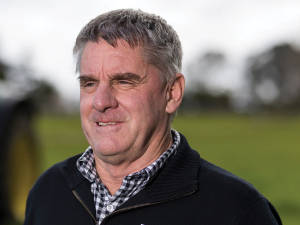
Federated Farmers dairy chairman Chris Lewis says the scheme looks like a good financial product, but wants farmers to do their homework before signing on the dotted line.
“I would say to farmers, make sure you talk to your financial advisers before signing up,” he told Rural News.
Lewis says there are a lot of good deals out there with banks and traders offering low interest rates.
“This could be a good product, but farmers must look at the finer details.”
Purvis believes some farmers are finding it increasingly difficult to raise funds.
He says it is no secret that financial institutions are becoming increasingly cautious around farm lending.
“It is estimated 30% of dairy farmers are classified as being highly indebted and, despite firm milk prices, the Reserve Bank is encouraging banks to act prudently with farm lending and work closely with their existing dairy farming customers to ensure they are well positioned in the event of a future downturn in the sector.
“This, combined with the economic impact of COVID-19, a surge in demand for financial capital, and a limited ability for tier-two institutions to fill the gap, are all impacting liquidity within the sector and making it increasingly difficult for farmers to raise the funds they need to maintain and grow their business.
“This is constraining growth within the broader dairy sector. We believe herd leasing can help individual farmers address this situation by allowing them to unlock the large amount of capital they have in their herd.”
Purvis warns the leasing service is not aimed at those farmers who are highly indebted; it is focused on those farmers who are financially sound but finding it difficult to raise capital due to the liquidity barriers within the broader dairy sector.
During the lease period, farmers will continue to maintain control of the leased herd and will generate income from milk production and the sale of offspring.
They will also be able to deduct the lease payments as a taxable expense. By following the best-practice culling and herd replacement procedures built into the lease agreement, farmers will fully own the herd that is on their farm at the end of the lease period.
OPINION: Clicking through some news of late, I have noted the odd headline referring to credit card debt.

Farmers are throwing their support behind the Farm Debt Mediation Scheme.
Dairy farmers can unlock capital in their dairy herds in a $1 billion herd leasing scheme launched last week.
A report confirming a sharp rise in pay for dairy sector workers will help attract more New Zealanders to farming jobs, says Federated Farmers dairy chair Chris Lewis.
High-profile South Canterbury dairy farmers Aad and Wilma van Leeuwen have put a number of their farms up for sale.


Federated Farmers has welcomed new rural policies released by ACT, saying they align closely with its own election priorities.

Rural Contractors NZ says proposed changes to land transport rules for agricultural vehicles are a welcome response by the Government to out of date regulations which have seen members hit with huge fines.
Alliance is calling for final applications for its 2027 Graduate Programme, with applications closing on Sunday 25 October.
Decades piloting planes has ensured vet and farmer David Hayes is focused on safety. So, after a serious accident while welding on farm, he is sharing his experience so others can learn from it.
Canterbury milk processor, Synlait Milk has confirmed Leon Fung as its chief executive officer.
OPINION: Making it easier to collect rainwater and use it to grow crops and livestock is a no brainer.



OPINION: The same mainstream media muppets that brought you Jacindamania in 2017 have been flat out pimping for the Opportunities…
OPINION: Your old mate reckons the atrocious way farmers in the UK are treated by their lords and masters in…




