
Too Lenient
OPINION: Reckless action by Greenpeace in 2024 forced Fonterra to shut down a drying plant for four hours, costing the co-op about $300,000.




 increase font size
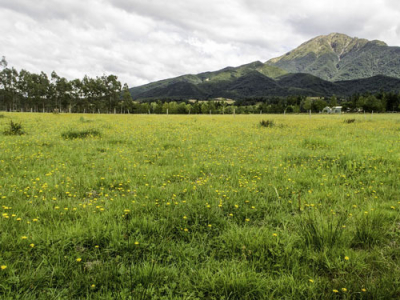 Greenpeace is calling for a ban on the use of nitrogen fertilisers.
The multi-national environmental activist group Greenpeace is again targeting the New Zealand farming sector, this time calling for a ban on the use of nitrogen fertilisers.
The group has spent the last few years blaming the agricultural sector for polluting the country’s waterways and rivers, campaigning against irrigation and criticising agriculture’s greenhouse gas emissions.
Now in its sights are the two farmer-owned fertiliser co-operatives Ravensdown and Ballance, which Greenpeace claims sell 98% of all fertiliser used in NZ.
“Chemical nitrogen fertiliser is the fuel that drives industrial dairying,” claims Greenpeace campaigner Gen Toop. “It is spread onto NZ’s dairy farms in ever-increasing amounts to grow more and more grass for too many cows.”
Toop says the use of nitrogen fertiliser has increased seven-fold since 1990.
“Chemical nitrogen fertiliser is a double-whammy for the climate and our rivers. It increases the number of cows, which increases greenhouse gas emissions and pollution of rivers. On top of that it directly emits nitrous oxide and leaches nitrate into waterways.”
Toop and Greenpeace accuse Ravensdown and Ballance of “profiting off environmental destruction”.
“It’s time the Government reigned them in and banned chemical nitrogen fertiliser.”
OPINION: Reckless action by Greenpeace in 2024 forced Fonterra to shut down a drying plant for four hours, costing the co-op about $300,000.

A day after selling its consumer businesses, Fonterra has settled a civil claim, filed by Greenpeace, out of court.
OPINION: Governments all over the world are dealing with the fuel crisis.
OPINION: Dark suited spin doctors exist to, well, spin, and the nice cuddly progressive types at Greenpeace Aotearoa practice this dark art with the same cynicism as your average corporate giant.
OPINION: In recent weeks beaches in Auckland, Wellington and Christchurch have been unsafe to swim in because of recent heavy rain triggering wastewater overflows throughout the region.


Pāmu has released its FY26 Integrated Annual Report, reporting a Net Operating Profit of $113 million, more than double the $49 million recorded in FY25.

Meat Industry Association data, released alongside the Red Meat Sector conference in Wellington, shows export value climbing across the US, China, UK and Canada.
Applications are set to open for the 2027 Zanda McDonald Award, a trans-Tasman award recognised for identifying and fast-tracking talented young leaders in agriculture and agribusiness.
The Royal New Zealand College of General Practitioners (the College) and Hauora Taiwhenua Rural Health Network are calling for investment in a proposed new training pathway for rural GPs, warning that many rural practices are struggling to recruit while a large share of the existing workforce nears retirement.
Federated Farmers has called on Central Otago District Council (CODC) to drop or vote down a plan to truck sludge from Alexandra and Cromwell to farmland near Lauder, warning it would compound an "outrageous" situation created by a separate council's decision weeks earlier.
Synlait has swung to second-half profit as operations stabilise, but the dairy processor still posted a $75.4m annual loss.




OPINION: The same mainstream media muppets that brought you Jacindamania in 2017 have been flat out pimping for the Opportunities…
OPINION: Your old mate reckons the atrocious way farmers in the UK are treated by their lords and masters in…




