McRae Wins Southern South Island B+LNZ Director Vote
Matt McRae, a farmer from Mokoreta in Southland who runs a sheep, beef and dairy support business alongside a sheep stud, has been elected to the Beef +Lamb NZ Board as a farmer director.




 increase font size
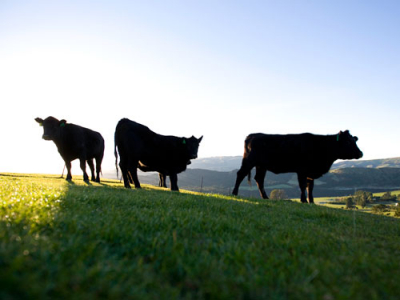 NZ’s beef cattle numbers are up 1.9% over the past year.
Some positive news for the red meat sector; NZ’s beef cattle herd is growing and the decline in the sheep flock has slowed, according to Beef + Lamb New Zealand (B+LNZ)
It says beef cattle numbers are up 1.9% over the past year while the decline in the sheep flock was slowed by a lift in hoggets as farmers responded positively to strong prices and good grass growth leading into winter.
The annual stock number survey conducted by B+LNZ’s Economic Service, shows 3.7 million beef cattle with beef production continuing to grow.
The largest contributor to the increase in the number of beef cattle was a lift in weaner cattle in Marlborough-Canterbury, which was driven by younger cattle being retained by beef breeders.
The research shows the impact of Mycoplasma bovis on sheep and beef farms has been mixed.
B+LNZ Economic Service chief economist Andrew Burtt says the analysis reveals a younger ewe flock as farmers retain more hoggets for future production. The number of breeding ewes fell in all regions of New Zealand – and by 2.1% overall.
“The number of breeding ewes decreased 3.5% to 8.3 million in the North Island, while South Island numbers dropped 0.8% to 9 million. The decrease largely reflects farmers taking advantage of strong prices for mutton. There was also a preference – particularly in the older farmer demographic – towards less labour intensive livestock options to sheep,” he says.
Consequently, the national hogget flock is up on last year.
Hogget numbers increased 2.5% to 9.1 million, largely from Marlborough-Canterbury where ewe hoggets were retained to replenish declining ewe flocks, and trade lamb purchases from Southland due to dry summer conditions.
Burtt says ewes were in good condition at mating, and going into winter due to feed availability.
“However early pregnancy scanning of ewes fell short of farmer expectations, which was high due to pasture levels during mating.”
The lamb crop is expected to be down 3.8% to 22.8 million. This follows a record lambing percentage the previous season and a smaller breeding ewe flock but moderated by a lift in lambs from hoggets mated.
Matt McRae, a farmer from Mokoreta in Southland who runs a sheep, beef and dairy support business alongside a sheep stud, has been elected to the Beef +Lamb NZ Board as a farmer director.
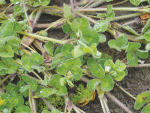
Recent widespread autumn rain will have triggered the germination of subterranean clover seeds, and the resulting seedlings should be allowed to reach the 3–4 trifoliate leaf stage before grazing, says Beef+Lamb NZ.
A hub farm in each of Beef + Lamb NZ’s seven regions and more focus groups are being rolled out for the red meat sector this year.
The red meat sector is poised for a strong rebound this season, with export receipts forecast to top $10 billion and farm profitability to almost double.
Progeny testing at Pāmu’s Kepler farm in Southland as part of Beef + Lamb New Zealand’s Informing New Zealand Beef programme is showing that the benefits of hybrid vigour could have a massive impact on the future of beef breeding.
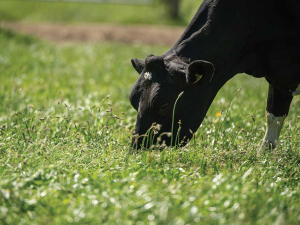
Farms across the upper North Island are trialling different pasture mixes as part of a research programme that aims to build greater resilience into farming systems.
Election years are always a concerning time for farmers, according to DairyNZ chair Tracy Brown.
The Ballance Farm Environment Awards are coming to the West Coast of the South Island.
Most dairy regions around the country have had a pretty good season so far says Tracy Brown.
Rural leader Mark Hooper has been appointed as an independent director to the NZPork board, bringing extensive farming, governance and advocacy experience to the role.


OPINION: The same mainstream media muppets that brought you Jacindamania in 2017 have been flat out pimping for the Opportunities…
OPINION: Your old mate reckons the atrocious way farmers in the UK are treated by their lords and masters in…