
NZPork Names Mark Hooper Chair, Paul Bucknell Retires
Mark Hooper has been appointed the new chair of NZPork, the industry organisation representing New Zealand pig farmers.




 increase font size
 Brent Kleiss says the NZ pork sector's concerns go much wider than just FMD.
There are calls to strengthen biosecurity controls around imported pork as NZ works to keep foot and mouth disease (FMD) out.
Federated Farmers vice president and biosecurity spokesman Wayne Langford says it is a good time to relook at meat imports - especially pork.
"It's time to realise what great, safe and nutritious pork is produced by our farmers," he told Rural News.
Langford made the comments after Australian authorities confirmed that viral fragments of FMD and African swine fever were detected in pork products at a Melbourne retailer. The products, believed to be imported from China, were detected in the Melbourne CBD as part of routine surveillance and have been seized. Viral fragments are not infectious and cannot transfer live virus to another animal.
Both Australia and New Zealand remain free of the disease, but a recent outbreak of FMD in Bali has put both countries on heightened alert.
NZPork chief executive Brent Kleiss told Rural News that New Zealand's commercial pig farming industry is internationally recognised for its high-health status.
"Good biosecurity practices are at the heart of every pig farm. Our commercial pig farmers take stringent measures around movement of animals, people and vehicles."
Although the risk of FMD entering New Zealand is considered low, Kleiss says we cannot be complacent as the disease would have a devastating impact on our pig industry.
The steps the Government has taken so far, including banning travelers to New Zealand from bringing in any meat products from Indonesial, are welcome by pork farmers.
However, Kleiss saysthe NZ pork sector's concerns go much wider than FMD. He points out that much of the pork imported into New Zealand comes from countries where they are dealing with very serious pig diseases that are not currently present in this country - including African Swine Fever (ASF) and Porcine Reproductive and Respiratory Syndrome (PRRS).
"There is a risk that diseases could enter New Zealand in imported meat, and while harmless to humans, could spread to non-commercial pigs and into the wild pig population through feeding of meat scraps that have not been properly treated prior to feeding," he explains.
"This is despite New Zealand's regulations banning the feeding of untreated meat to pigs, which to NZ Pork's disappointment, are not well enforced."
Kleiss adds that while importing standards to manage potential disease incursions via imported meats are in place, NZ Pork's view is that these settings should be updated.
"New Zealand still allows fresh pork meat to be be imported from countries with ASF, so long as it is accompanied by documentation stating it is from an area or region certified free of ASF. Other importers of pork, including Australia, do not allow this to happen," he told Rural News.
"We want the Government to strengthen the biosecurity controls around imported pork to prevent diseases entering the country that could devastate Kiwi pigs."
Mark Hooper has been appointed the new chair of NZPork, the industry organisation representing New Zealand pig farmers.

Rural leader Mark Hooper has been appointed as an independent director to the NZPork board, bringing extensive farming, governance and advocacy experience to the role.
As the cost-of-living crisis continues to put pressure on household grocery budgets, new figures show pork remains one of the most affordable fresh meat options for New Zealand families.
OPINION: It's no surprise that "world-class biosecurity" continues to dominate as the top priority for agribusiness leaders, holding the number one spot for the 16th consecutive year in KPMG's latest agribusiness report.
New data shows that pork remains one of the more affordable meat options for New Zealand households at a time when grocery costs continue to put pressure on budgets.


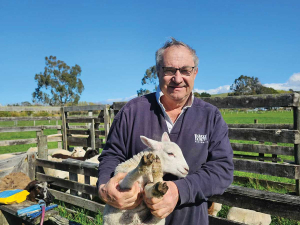
Decades piloting planes has ensured vet and farmer David Hayes is focused on safety. So, after a serious accident while welding on farm, he is sharing his experience so others can learn from it.
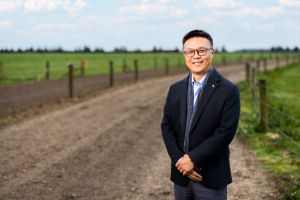
Canterbury milk processor, Synlait Milk has confirmed Leon Fung as its chief executive officer.
OPINION: Making it easier to collect rainwater and use it to grow crops and livestock is a no brainer.
As part of its Election 2026 coverage, Rural News asked political parties how they would help pull the arable sector out of the doldrums. Here's what they said:
Farmers are being encouraged to rethink how they manage waste on farm with the launch of ruralwastesorted.co.nz, a new website bringing together practical tips, real farmer experiences and resources.
New Zealand Winegrowers (NZW) is celebrating the India-New Zealand Free Trade Agreement (FTA) coming into force today, bringing New Zealand wine improved access to one of the world’s fastest-growing economies.

OPINION: The same mainstream media muppets that brought you Jacindamania in 2017 have been flat out pimping for the Opportunities…
OPINION: Your old mate reckons the atrocious way farmers in the UK are treated by their lords and masters in…




