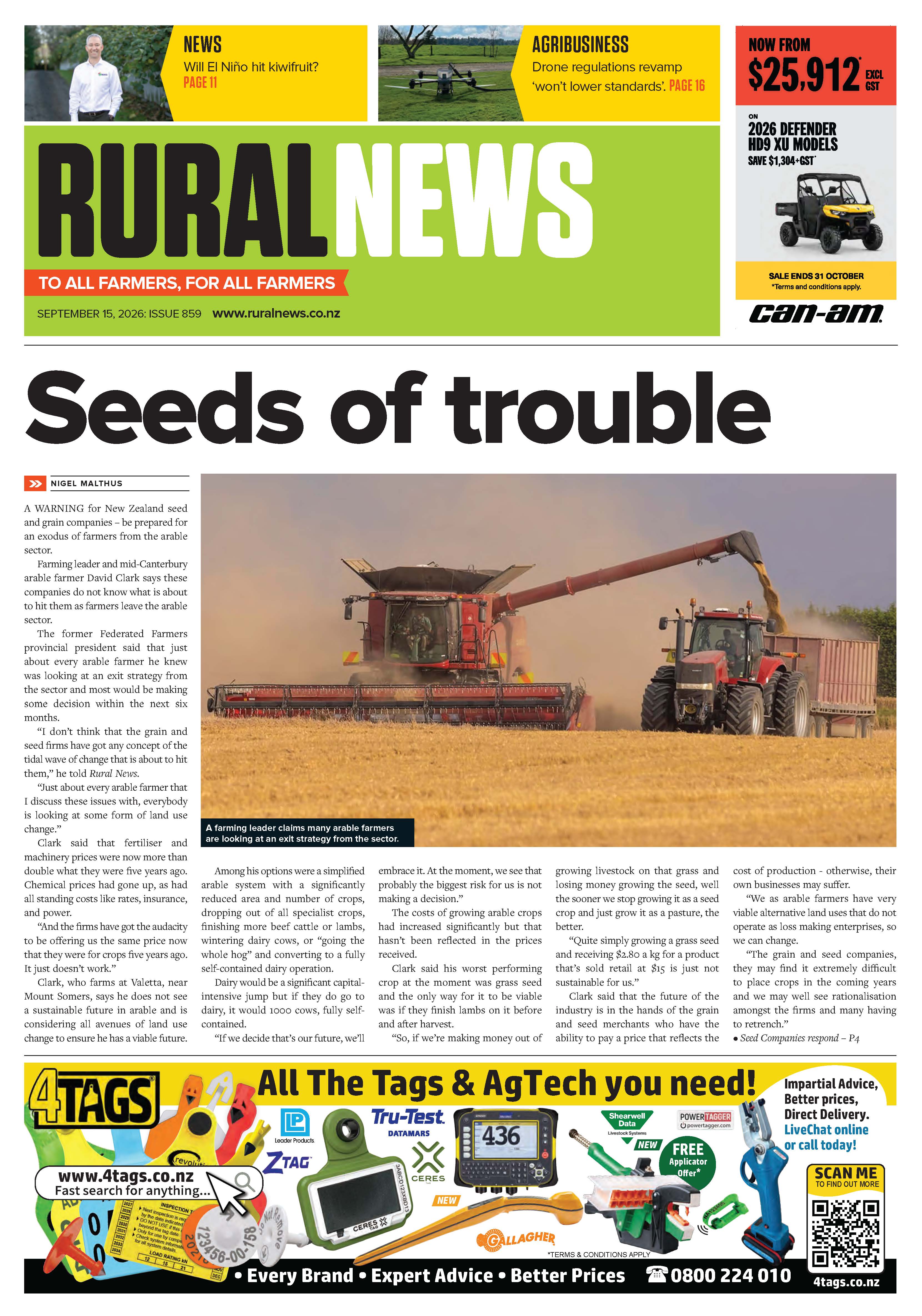
Naki unveils the world’s most expensive manuka honey
Naki Honey, a New Zealand manuka apiary company, has crafted what is believed to be the world's most expensive honey.




 increase font size
 Conference chairman John Hartnell.
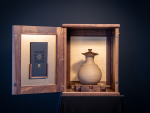
A huge swarm of beekeepers settled on Rotorua late in June, celebrating their growing industry's new unity.
The industry is seeing off the varroa threat and strategising to keep New Zealand at the front of honey exporting.
With 1465 registrations, the Apiculture New Zealand conference, in Rotorua from June 19 to 21, is reckoned the city's biggest domestic conference ever, says conference chairman John Hartnell.
Apiculture NZ brings together the former National Beekeepers' Association and the Federated Farmers bee industry group. The Honey Packers and Exporters Association is expected to merge with the new body after its 50th anniversary conference next year.
Hartnell says the conference theme was unity and speaking with one voice.
A "very strong" seminar list of science speakers was complemented by three overseas speakers, on topics including bee health and varroa mite control, traceability and how to ensure NZ keeps its place as "the world's leading exporter of honey products".
Hartnell says beekeepers face resistance issues with varroa much as sheep farmers may face resistance when continually using the same drench chemicals.
The industry must get information on best practice to its many new apiarists; about 2000 newcomers registered in only 24 months.
"So there was a lot of focus on how we address that, how we work to look at alternative methods of managing varroa. Are there more organic-type methods we can use, and how do we bring that knowledge to what is probably 50% of the industry, who have less than three years experience?"
Bees are now being bred for varroa resistance.
"Beekeepers are selecting stock from apiaries which tend to be able to manage varroa themselves," says Hartnell.
However, reinfection from feral hives is no longer a problem, because feral bee populations have collapsed.
Traceability of product is another big concern. Electronic chipping of hives and product is at an early stage but could soon prove its worth.
"Because our products are such high valued the market is asking 'how can you guarantee that product is genuine NZ and can you trace that product back to the hive to prove its point of origin?'."
Of NZ's 7000 beekeepers, many were hobbyists but 800-900 are commercial or semi-commercial operators responsible for 95% of all hives, and these would benefit from improved traceability.
Hartnell said NZ is very aware of the counterfeiting of high-priced manuka honey overseas.
"In the international markets -- China, Singapore, Hong Kong or the UK – everybody's very aware of the need to be vigilant to eliminate this grey trade, because it's detrimental to NZ and to the consumers in the markets where the product's sold."
Naki Honey, a New Zealand manuka apiary company, has crafted what is believed to be the world's most expensive honey.
The message for the 2025 World Bee Day is a call to action for sustainable practices that support bees, improve food security, and protect biosecurity in the face of mounting climate pressures.
The agency charged with controlling the serious bee disease American Foul Brood (AFB) has defended itself against criticism from a North Canterbury beekeeper who was recently ordered to destroy equipment following a find of AFB spores in his storage shed.
The Ministry for Primary Industries (MPI) have released a handbook offering guidance on how to plant strategically to feed bees.
A new in-hive heat treatment is able to destroy the Varroa mite whilst keeping bees alive.


New Zealand's citrus growers were challenged to build their future on the value embedded in their fruit rather than the volume they produce, at Citrus New Zealand's annual gathering in Gisborne on 17 September.
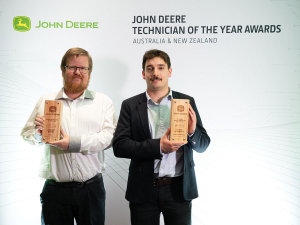
Leading John Deere technicians and apprentices from New Zealand and Australians were recognised at the recent sixth annual JD Technician of the Year Awards, held in Brisbane.
In Dacre, near Invercargill in New Zealand’s South Island, Bruce Dinnington is running a dairy operation unlike any other.
A free online platform aggregating governance vacancies across rural and regional New Zealand has been launched.
Environment Minister Nicola Grigg has announced details of a new rural plastics recycling scheme.
Agricultural drone operators say that a government decision to allow lower-risk drone work without certification won’t lower standards but drive innovation and efficiency.




OPINION: The same mainstream media muppets that brought you Jacindamania in 2017 have been flat out pimping for the Opportunities…
OPINION: Your old mate reckons the atrocious way farmers in the UK are treated by their lords and masters in…