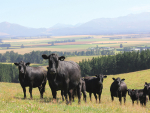
BVD Control Begins Long Before You See A Problem
Bovine Viral Diarrhoea (BVD) is sometimes viewed as a dairy industry issue, but the reality is that the disease can have serious consequences for beef breeding herds as well.




 increase font size

Biosecurity Minister Damien O’Connor has unveiled big changes to New Zealand’s biosecurity system, including new law changes to strengthen animal tracing and details of a Biosecurity Act overhaul.
“Biosecurity is fundamental to the protection of our environment, our economy and our cultural and social wellbeing,’ he says.
O’Connor is having both the Biosecurity Act and the National Animal Identification and Tracing Act (NAIT) overhauled to ensure they meet NZ’s future needs.
“The Biosecurity Act is now 26 years old. We’re operating in a different world than we were in 1993. Tourism, imports and the rise of online shopping have meant a corresponding increase in biosecurity risk.
“Over the last few years there has been an increase in large biosecurity responses including Mycoplasma bovis, Bonamia, Myrtle Rust and Queensland Fruit Fly.
“As the climate warms we face a greater threat from exotic insects and pests to our primary industries.”
Today he released the terms of reference that define the objectives and structure of the Biosecurity Act’s overhaul. The work will be led by Biosecurity New Zealand.
O’Connor says they have started working with Māori, industry, and others to upgrade the Act. We will look at every aspect of the Act including compensation and funding.
“The Mycoplasma bovis outbreak is the single biggest biosecurity event New Zealand has faced and it highlighted flaws in the NAIT scheme and Biosecurity Act. We’re putting that right”, Minister O’Connor says.
“We need to learn from the bovis experience and have better pieces of legislation as a result of it.
“I have been working with Biosecurity New Zealand and NAIT Limited, which manages the NAIT scheme, to fix it and make sure it is fit for the future.
“Earlier this year I announced a package of suggested changes to NAIT and Cabinet has now agreed to them.”
Next week O’Connor will introduce an amendment bill to Parliament to improve NAIT.
“The changes we’re making will take New Zealand a step closer to having the animal tracing scheme we need to keep our primary sectors and economy safe.”
All New Zealanders will have an opportunity to have their say. Dates for formal consultation on the Biosecurity Act will be announced later in the year and the public will have another opportunity to give feedback on the changes to the NAIT Act when the bill is in Select Committee.
More information about the overhaul of the Biosecurity Act and the NAIT Act is available on the MPI website.
Bovine Viral Diarrhoea (BVD) is sometimes viewed as a dairy industry issue, but the reality is that the disease can have serious consequences for beef breeding herds as well.

Election years are always a concerning time for farmers, according to DairyNZ chair Tracy Brown.
Testing confirms H5 bird flu in a single northern giant petrel, found dead on a remote Cape Palliser beach in the Wairarapa, says Dr Mary van Andel, the Ministry for Primary Industries' (MPI) Chief Veterinary Officer.
Bovine Viral Diarrhoea (BVD) is sometimes viewed as a dairy industry issue, but the reality is that the disease can have serious consequences for beef breeding herds as well.
Four years since it was first detected in New Zealand, researchers and growers now know much more about management of maize pest fall armyworm (FAW).


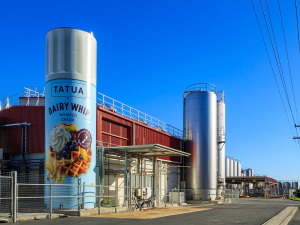
Waikato milk processor Tatua has again declared a record milk payout to farmer shareholders, leaving other processors in the dust.

A Labour-led Government won’t be bringing back the controversial freshwater rules of 2020.
National’s much-touted free trade deal with India featured in the Rural Issues Debate at Mystery Creek, Hamilton on Wednesday night.
New Zealand's 2026-27 freshwater fishing season has opened, with anglers encouraged to head to rivers and lakes over the coming days as conditions look favourable across much of the country.
Central Otago District Council (CODC) has voted against a plan to spread treated sewage sludge from Cromwell and Alexandra on farmland near Lauder, a decision Federated Farmers says reflects strong opposition from rural residents.
Pāmu has released its FY26 Integrated Annual Report, reporting a Net Operating Profit of $113 million, more than double the $49 million recorded in FY25.





OPINION: The same mainstream media muppets that brought you Jacindamania in 2017 have been flat out pimping for the Opportunities…
OPINION: Your old mate reckons the atrocious way farmers in the UK are treated by their lords and masters in…




