China No Longer Just A Commodity Story - Luxon
China remains New Zealand’s biggest market, taking $23 billion of our exports, but it’s no longer a commodity story, says Prime Minister Christopher Luxon.




 increase font size

NEW ZEALAND must put far greater resources into solving regulatory issues with China on meat exports, says Anzco Foods chairman Sir Graeme Harrison.
He likened it to when Britain joined the European Union and says it needs to come through public-private partnerships to build trust and relationships in China.
Speaking at last week’s China Business Summit – at which all speeches were translated immediately into Mandarin – Harrison said the New Zealand meat industry does not have a reputation for food safety issues in China; instead its difficulties are market-related.
“We are being presented with huge opportunities that require a concerted New Zealand public-private partnership on a larger scale than ocurred even – in a trade preservation sense – when Britain joined the European Union.
“Decisions need to be made on how we prioritise our limited political capital. So far dairy, rightly, has been the main beneficiary, but a broader approach is overdue.”
Anzco’s business focus is on some downstream-manufactured products not currently allowed in China. The process of getting New Zealand processing plants listed by the China regulatory authority AQSIQ has been tortuous. It took one plant four years to get listed and only five Anzco sites are listed; 17 sites in the industry, certified for China by MPI, await listing. Chilled imports, sheep and beef offals and meat paste are prohibited.
But Harrison says New Zealand needs to step up to meet these challenges or miss out on big opportunities, not forgetting that the US, Japan and EU compliance journeys had presented huge challenges.
“Ultimately importing countries have to rely on the export-country controlling authority operating in their best interests. This requires acknowledgement of equivalents which can only be achieved through people relationships and trust formed.
“In this regard New Zealand has been too quick with China to play the equivalents card and not put in place the qualified [people] to work through the trust building process.
“There are four key ports in New Zealand’s meat trade with China. We need to lift our performance in understanding the import authority’s requirements at these destinations. In conclusion, the pace of change in China and the demand for imports has been underestimated and under-resourced by New Zealand despite the trade goals set by leaders in 2010.
“If we are serious about goals we need to plan execution steps. The equivalents journey with China has to accommodate internal food safety scare concerns and require some scrutiny of the New Zealand regulatory model. Trust comes through people-to-people relations and requires a public-private partnership to settle priorities.”
Trade Minister Tim Groser said the opportunities in China were huge but the challenges facing our organisations and government were huge. Mistakes had been made in meat certification. “People who have responsibility need to start putting in place the management systems necessary to address these problems. Don’t expect a result quickly.”
On the issues of the AQSIQ he said this needed to be handled with enormous care and was not something for amateur politicians to wade into.
China remains New Zealand’s biggest market, taking $23 billion of our exports, but it’s no longer a commodity story, says Prime Minister Christopher Luxon.

Fonterra is strengthening its foodservice presence in China with the launch of a new cream for professional bakeries at Bakery China 2026 in Shanghai.
OPINION: What does the birth rate in China have to do with stock trading? Just ask a2 Milk Company.
Additional tariffs introduced by the Chinese Government last month on beef imports should favour New Zealand farmers and exporters.
One of the most galling aspects of the tariffs whacked on our farm exports to the US is the fact that, now more than ever, US farmers are being propped up by government welfare – a direct result of Trump’s hardline on its trading partners.

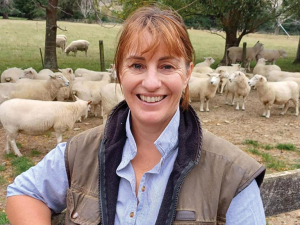
B+LNZ's Wormwise veterinarian Mary Bowron has won the Best Sheep and Beef Vet of the Year Award in recognition of her outstanding contribution to New Zealand’s sheep and beef sector.
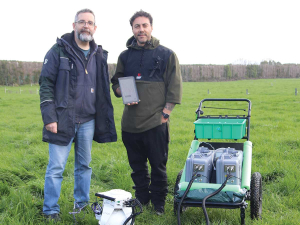
Researchers at Massey University are using a special piece of scientific equipment to improve the measurement of greenhouse gas emissions from pasture soils.
More signs of a booming kiwifruit sector.
OPINION: David Seymour and James Meager's plan to make it easier for farmers and orchardists to operate drones can best be described a 'courageous' move.
New Zealand wool is reaching new heights as air filtration companies move away from synthetic products to biodegradable alternatives.
Opuha Dam's ability to protect South Canterbury communities from major flooding has taken a significant step forward, with Opuha Water Limited (OWL) successfully commissioning a new outlet valve capable of releasing record volumes of water from the dam ahead of a weather event.


OPINION: The same mainstream media muppets that brought you Jacindamania in 2017 have been flat out pimping for the Opportunities…
OPINION: Your old mate reckons the atrocious way farmers in the UK are treated by their lords and masters in…