Pāmu FY26 Report: Profit More Than Doubles to $113m
Pāmu has released its FY26 Integrated Annual Report, reporting a Net Operating Profit of $113 million, more than double the $49 million recorded in FY25.




 increase font size
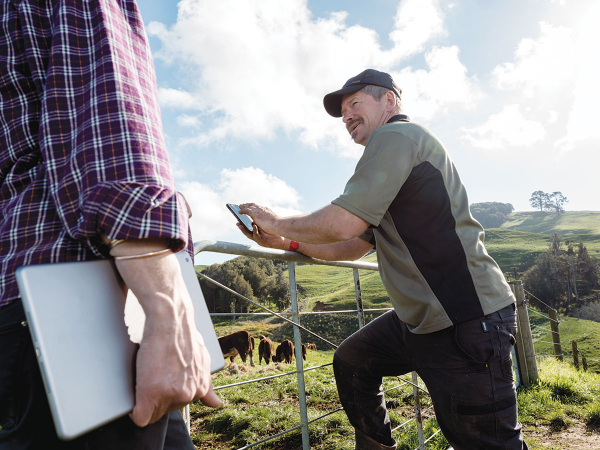 Bank of New Zealand have launched a new Sustainability Linked Loan for farmers.
Bank of New Zealand (BNZ) has launched an Agribusiness Sustainability Linked Loan (SLL) product available to all New Zealand farmers.
The term loan, a SLL available to all farmers no matter the size of their farm or industry, offers interest cost savings for achieving environmental and social targets including: Greenhouse gas reductions; eco-system protection; improved care for staff; protecting waterways; improving biodiversity; and animal welfare.
It is the first time a SLL has been available as a loan product to all New Zealand farmers. Environmental and Social targets are set and agreed with BNZ and progress independently verified annually.
“New Zealand’s farmers are working hard to achieve environmental and social goals and we want to support and incentivise their efforts,” says Dana Muir, BNZ head of natural capital.
Muir says this is the first time lending that rewards both environmental and social ambition has been available to all New Zealand farmers.
“Reduced loan costs incentivise farmers to go harder and faster on environmental and social improvements while independent audits ensure the work is meaningful and contributes to a better future for New Zealand,” she says.
BNZ’s Agri SLL Product was developed off the back of individual SLLs with large primary sector customers. It is designed to be complementary to work underway across leading assurance programmes in the primary sector that also incentivise improved environmental and social outcomes on-farm.
Unlike previous versions which have supported farmers with one off environmental projects, an SLL can be used for any purpose on a farm. It is designed to work like regular term debt with cost savings only realised when environmental and social targets are achieved.
“Farmers can choose from a range of environmental and social measures which they want to tackle, but emissions reduction is a non-negotiable. It is crucial we reduce greenhouse gas emissions and the structure of our SLL reflects that,” says Muir.
Pāmu has released its FY26 Integrated Annual Report, reporting a Net Operating Profit of $113 million, more than double the $49 million recorded in FY25.
Environment Minister Nicola Grigg has announced details of a new rural plastics recycling scheme.
Almond hulls sourced from Australian orchards may have the potential to help New Zealand cows reduce emissions, boost milk yield and lower input costs.
The Government is introducing a new nationwide rural recycling scheme that will significantly increase the recovery of farm plastics from March next year, Minister for the Environment Nicola Grigg announced today.
Climate, nature and animal wellbeing make up Fonterra's refreshed sustainability roadmap released last week.


National’s pledge to introduce 19 new national standards shows the party is serious about getting Wellington out of farming, Federated Farmers says.
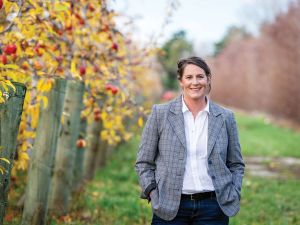
The National Party’s policies to make it easier to grow fresh vegetables, secure reliable water and energy and simplify farm planning are practical changes that will give growers the confidence to invest, according to Horticulture New Zealand (HortNZ).
Fonterra Co-operative Group chief financial officer Andrew Murray has resigned to take up a role outside the dairy giant.
A major move is about to get underway to improve the quality and viability of dairy beef and cattle in NZ.
Veterinarians say changes to the code of welfare for dairy cattle provides a positive foundation for improved cattle welfare across the country.
Today, 15 October, is the International Day of Rural Women, which recognises rural women’s contribution to farming, communities and the environment.




OPINION: The same mainstream media muppets that brought you Jacindamania in 2017 have been flat out pimping for the Opportunities…
OPINION: Your old mate reckons the atrocious way farmers in the UK are treated by their lords and masters in…




