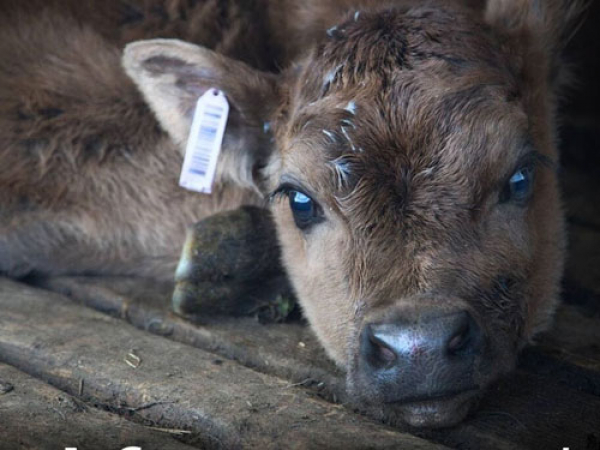
Labour-strapped meat processors are bracing for a big jump in calves arriving from dairy farms as Fonterra's new rules around bobby calves kicks in.
From mid-June this year, Fonterra wants all non-replacement calves to enter a value stream - such as dairy beef finishing, veal production or the pet food industry.
Rabobank agricultural analyst Genevieve Steven says the meat industry is concerned about its ability to process increased volumes of bobby calves, due to labour constraints and the highly condensed bobby calf season.
"The sector will also have to find ways to manage the increased need for bobby calf processing," says Steven.
Meat Industry Association chief executive Sirma Karapeeva told Rural News it has been engaging with Fonterra to get an estimate of the potential increase in supply.
"We are also talking with processors about the potential increase in calf numbers and the potential need for increased processing capacity.
"The industry is confident the markets will absorb an increase in supply," she says.
"However, we can expect that there is potential for delays in getting calves processed during the peak processing period and processors are encouraging farmers to have a plan in place to ensure they are prepared," Karapeeva says.
Fonterra's new rules around bobby calves stem from criticisms around handlig of bobby calves on farms. The co-op, last year, told is farmer suppliers that as part of its strategic choice to 'lead in sustainability', it places a strong emphasis on calf wellbeing and a big part of this is ensuring that all dairy calves have a useful life.
In a new report, Rabobank says further investment into collaboration between the dairy and beef industries could help the beef sector reduce bobby calf processing requirements. The report also moots the idea of developing a rose veal industry for New Zealand.
"Rose veal - the term given to beef cattle slaughtered at age eight to 12 months - is a niche industry in New Zealand, with veal not commonly consumed domestically," Steven says.
"There is an opportunity to develop a 'raised in nature' rose veal product which differs to European veal by being grass fed, natural and having low emissions."
She says opportunities may exist in Europe for a 'raised in nature' product, while other markets of interest include the US and Asia. Steven says the first step in developing a rose veal industry would be to find customers who are prepared to pay a premium for New Zealand veal over European competitors.
"Clear market signals are required to give processors confidence to invest in developing a programme," she says.