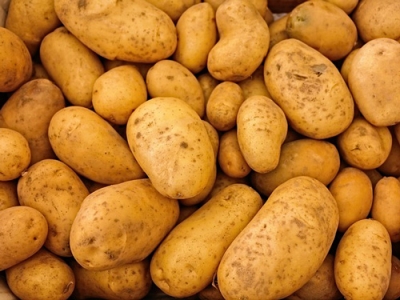
A new line of cadmium-resistant potatoes could give New Zealand potato growers a marketing edge.
The potatoes, developed by UC Biotechnologists Dr David Leung and Dr Seyedardalan (Ardi) Ashrafzadeh from the University of Canterbury, could potentially be resistant to cadmium, a highly toxic metal found in soil which is harmful to crops and can contribute to health issues in humans.
Biotechnology lecturer Leung says their potatoes have a trait that could solve this problem and enhance New Zealand's best potato varieties.
"New Zealand growers are competing with growers from all over the world. Imagine the difference that adding a cadmium-resistant trait could have on the market for our potatoes. It could certainly give our crops a marketing edge," he says.
Usually potatoes accumulate cadmium from soil. This has negative effects on the quality of the crop and also means that the cadmium, a known carcinogen, is passed onto the consumer. Over time this can contribute to health issues, including cancer.
Leung and Ashrafzadeh have discovered a potentially cadmium-resistant line of potatoes by exposing potato cells to the toxin and monitoring cells for damage. The cells that survive the process may have natural mutations that make them resistant to cadmium exposure. These cells are then grown into potato plants for further testing.
Plant biotechnologist Ashrafzadeh explains that stressing the plant cells in this way mirrors the process that would occur in nature.
"Stress is a principle that causes plants to slowly change over time. We are using stress in a lab context to push plants to evolve. We're effectively helping them to develop a natural advantage faster," he says.
The next phase of testing will involve growing potato plants in contaminated soil to discover how cadmium-resistant they are and determine their cadmium accumulation potential in a real world situation.
Ultimately, Leung and Ashrafzadeh believe that this line of potatoes could make a difference in the New Zealand potato market by adding one more unique factor to our best-selling varieties.