Hard work keeping it on the straight and narrow
It's a hard road making wine on State Highway One, just south of Christchurch.




 increase font size
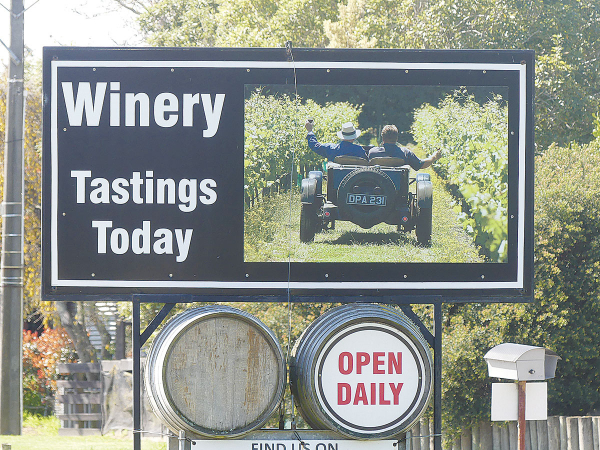 Straight 8 Estate Winery owner James Shand says they are competing against big outfits that might routinely rip up and replace tens of thousands of vines each season in search of better yields or to follow changing varietal demand.
Straight 8 Estate Winery owner James Shand says typical New Zealand wine buyers aren't going to help him meet his costs, because they can buy cheap imports at the supermarket.
He doesn't understand why New Zealanders drink cheap Sauvignon Blanc when it is not a globally popular variety.
"Why would I grow Sauv Blanc when it's only 11th in the world in white wine?" he told Rural News. "I grow the number one white wine in the world, which is Chardonnay."
Shand says they are competing against big outfits that might routinely rip up and replace tens of thousands of vines each season in search of better yields or to follow changing varietal demand.
When they bought the vineyard, they were advised to rip up the Cabernet Franc.
Instead, they have nurtured it, taken cuttings and taught themselves how to make and finish it, and it is now the most lucrative grape on the property.
Shand says that Cabernet Franc has now been planted in Central Otago, depriving his grapes of being the most southerly Cabernet Franc in the world. However, he is proud to say his vines are the most southerly growing on their own rootstock.
"I've got old grapes here that I've restored. I'm probably not your traditional vineyard person. I'm a restorer."
In search of cash flow, they are making some Pinot Gris this year from grapes bought from the defunct Lone Goat block.
But they otherwise pride themselves on being a single-vineyard winemaker, meaning they don't produce blends with grapes bought from elsewhere.
Shand believes good wine is made "in the vineyard" rather than in the winery and they have good soil with good flavours.
It's a hard road making wine on State Highway One, just south of Christchurch.

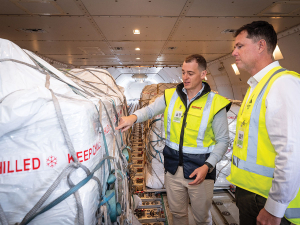
Silver Fern Farms has tackled the ongoing war-induced shipping challenges to mideast markets by airlifting 90 tonnes of chilled New Zealand lamb and beef to the United Arab Emirates.

The primary sector is leading New Zealand's economic recovery, according to economist and researcher Cameron Bagrie.
Dairy industry leader Jim van der Poel didn't make much of the invitation he received to the recent New Zealand Dairy Industry Awards in Rotorua.
Farmers around the country are going public big time, demanding their local district, city and regional councils come up with amalgamation plans that meet the needs of rural communities and don't allow urban councils to dominate.
The battle for the rural vote is on and parties are securing high profile names to try and bolster their chances at the general election.
Horticulture New Zealand says proposed changes to the Plant Variety Rights Act 2022 will drive innovation, investment and long-term productivity.



OPINION: It's been an eye-opener watching the big media companies behaving exactly like the powers-that-be who the crusading hacks from…
OPINION: Town and country find themselves on the same page when it comes to anger over price hikes from NZ…