
NZKGI Responds to Migrant Worker Exploitation Reports
Where any worker in the kiwifruit industry is mistreated, we expect the authorities to take action.




 increase font size
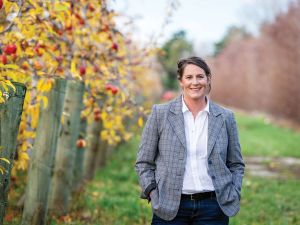
 Andrew Tait.
Climate change may force the kiwifruit industry to look for new places to grow its vines – especially the green hayward variety.
NIWA’s new chief scientist for climate, atmosphere and hazards, Dr Andrew Tait, says the hayward variety needs a cold winter to induce bud break and flowering in spring. But as Bay of Plenty becomes warmer in winter, achieving this will naturally become more difficult, he says.
“At present, one of the adaptation strategies to counter the warmer winters is to apply a chemical called Hi Cane, short for hydrogen cyanimide, used to stimulate some of that bud break when they don’t get the sufficient winter chilling they want naturally,” Tait told Hort News.
“There are ways of fooling the plant to do what nature does, but during our study of the kiwifruit industry there were questions being asked about the use of this chemical in respect of the market accepting it.”
Tait says the use of chemical could become a food safety issue and so the industry may need to look at other adaptation responses, e.g. looking at regions with cooler winters which could naturally trigger bud break and spring flowering.
Where any worker in the kiwifruit industry is mistreated, we expect the authorities to take action.

Kiwifruit growers are watchful but remain optimistic as concerns around the potential effects of the El Niño weather pattern this season.
For the first time in a quarter of a century, Federated Farmers has something positive to say about the Labour Party’s climate change policy leading into a general election.
Climate, nature and animal wellbeing make up Fonterra's refreshed sustainability roadmap released last week.
More signs of a booming kiwifruit sector.



National’s pledge to introduce 19 new national standards shows the party is serious about getting Wellington out of farming, Federated Farmers says.
The National Party’s policies to make it easier to grow fresh vegetables, secure reliable water and energy and simplify farm planning are practical changes that will give growers the confidence to invest, according to Horticulture New Zealand (HortNZ).
Fonterra Co-operative Group chief financial officer Andrew Murray has resigned to take up a role outside the dairy giant.
A major move is about to get underway to improve the quality and viability of dairy beef and cattle in NZ.
Veterinarians say changes to the code of welfare for dairy cattle provides a positive foundation for improved cattle welfare across the country.
Today, 15 October, is the International Day of Rural Women, which recognises rural women’s contribution to farming, communities and the environment.




OPINION: The same mainstream media muppets that brought you Jacindamania in 2017 have been flat out pimping for the Opportunities…
OPINION: Your old mate reckons the atrocious way farmers in the UK are treated by their lords and masters in…




