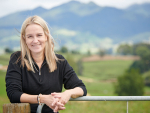
Susan O'Regan Appointed New Chair of QEII National Trust
Minister of Conservation Hon Tama Potaka has appointed Susan O'Regan as Chair of the Queen Elizabeth II National Trust (QEII) for a three-year term.




 increase font size

THE WAIKATO Regional Council and stakeholders are discussing potential action if dry, drought-like conditions continue in parts of the Waikato and South Auckland.
This January and February combined had the seventh lowest rainfall total for those two months, 32% of normal, at Ruakura since records began in 1907, the council says.
Some rivers and streams are at or near record low flows for this time of year. Warm temperatures and stronger winds are drying out soils
"This lack of rain means we are monitoring the situation very closely given the potential impacts on all sorts of activities, from farming through to irrigators and urban water supplies," says regional council chairperson Paula Southgate.
"Council officials have been in contact with officials in other agencies and organisations. And last week a group of stakeholders – including Federated Farmers and the Rural Support Trust – held an initial meeting so that we're ready to ramp up our response if necessary. This could include reconvening the Waikato Regional Drought Committee.
"We're seeing extremely dry conditions in many parts of our region and we collectively need to be ready to respond proactively if the situation worsens," Southgate says.
She says the advice she'd received was that conditions are dry or drier than last year generally but farmers are said to be coping OK at this stage.
The Rural Support Trust in Waikato is encouraging any farmers with problems or emerging problems to reach out for assistance. "While we haven't received calls for help we're aware of the potential for farmers to suffer stress if conditions continue to worsen," said trust chairman Neil Bateup.
"We'd urge farmers to talk to their neighbours, and the likes of DairyNZ, Beef & Lamb, farm consultants, accountants, banks and the trust.
"Also farm owners should check with managers, contractors and staff to ensure contingency plans are in place to deal with a potential ongoing dry period." The trust's area of responsibility includes Waikato and South Auckland.
Waikato Federated Farmers president James Houghton says: "Farmers are finding it tough in many parts due to scorched pastures but plenty of feed availability and good dairy herd management is helping them cope. A continuing proactive approach will help lower stress levels if the drought-like conditions carry on."
At this stage the Government hasn't been approached for a formal adverse event declaration that would provide for recovery assistance to farmers who needed it. That's due to factors like a great spring and good levels of feed supplements being made, feed and grazing being available generally, and farmers reportedly doing a good job of managing the situation.
Minister of Conservation Hon Tama Potaka has appointed Susan O'Regan as Chair of the Queen Elizabeth II National Trust (QEII) for a three-year term.
Farms across the upper North Island are trialling different pasture mixes as part of a research programme that aims to build greater resilience into farming systems.
The Government has announced it will pause key parts of Waikato Plan Change 1 (PC1) in a decision that is set to give Waikato farmers a reprieve from new consenting and farm-planning requirements while the wider resource management system is overhauled.
When Fraser Hasnip returned to his family farm in Pirongia, Waikato, he saw an opportunity to do things differently.


A major move is about to get underway to improve the quality and viability of dairy beef and cattle in NZ.
Veterinarians say changes to the code of welfare for dairy cattle provides a positive foundation for improved cattle welfare across the country.
Today, 15 October, is the International Day of Rural Women, which recognises rural women’s contribution to farming, communities and the environment.
Global dairy giant Lactalis has integrated its Australian operations with the Mainland Dairy consumer business it acquired from Fonterra earlier this year.
After almost two decades of sharemilking, saving and building equity, Aaron and Marcia Flay this year realised their long-held dream of settling on their first dairy farm.
Good medium to long term prospects for NZ beef, especially in the US, has heighted the focus on various initiatives to capitalise on this situation.



OPINION: The same mainstream media muppets that brought you Jacindamania in 2017 have been flat out pimping for the Opportunities…
OPINION: Your old mate reckons the atrocious way farmers in the UK are treated by their lords and masters in…