
Fonterra CFO Andrew Murray Resigns
Fonterra Co-operative Group chief financial officer Andrew Murray has resigned to take up a role outside the dairy giant.




 increase font size
 Mark Storey, DairyNZ
The outlook for dairy farms this season is better than anticipated.
DairyNZ's latest farm financial forecast on the Econ Tracker shows the national breakeven forecast sitting at $8.09/kgMS, while the forecast average payout received has increased to $8.84/kgMS. Fonterra is forecasting a mid-point of $8.50/kgMS.
While farm working expenses increased slightly, driven by increases in key operational areas such as electricity, irrigation, wages, and repair and maintenance costs, the reduction in interest and increase in farmgate milk price significantly outweigh these minor increases, improving the overall financial position of most farmers, says DairyNZ.
Waikato Federated Farmers executive Garry Reymer agrees that dairy farmers are feeling better.
He told Rural News that most have come through winter well and started the season milking better than last season. "Add to that the improved milk price and falling interest rates, you can see why there is a bit of optimism," he says.
However, Reymer cautioned farmers not to get too excited yet and don't spend their money.
"The new advance rate schedule that Fonterra has put out means there won't be a lift in the milk price to top up the milk cheque through most of the summer, right through to July.
"With the volatility around geopolitics, things could change very quickly. I would also urge farmers to take a good look at what make up their costs.
"If they are relying on just interest rates to keep them in the black, I would suggest they look at their farm system. On the flip side, many businesses are also under pressure and good deals can be had if you shop around. This can be good but also remember that loyalty can also buy service when you need it."
On interest rates, Reymer is urging farmers to keep the pressure on their banks.
"But make sure you make a compelling case for a better rate. Know your numbers, have a plan that you can fully articulate, show the bank you are in control of your business and that your business is not controlling you."
With a lot of attention around the interest rate changes in recent months, the September 2024 quarterly update of the Econ Tracker provides a deeper analysis into what interest rate changes and timings could mean for dairy farmers this season, says DairyNZ's head of economics, Mark Storey.
“The alternative scenarios we explore show how the timing of interest rate reductions can influence the discretionary cash position of farmers. We see clearly that earlier rate cuts would result in greater cost savings and a stronger cash position, compared to reductions made later in the season,” says Storey.
Fonterra Co-operative Group chief financial officer Andrew Murray has resigned to take up a role outside the dairy giant.
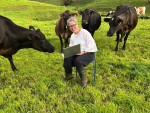
Today, 15 October, is the International Day of Rural Women, which recognises rural women’s contribution to farming, communities and the environment.
Four candidates have been confirmed for two director positions on Fonterra’s board.
A record farmgate milk price and strong global demand is laying the foundation for continued growth of organic dairy farming in New Zealand.
Waikato milk processor Tatua has again declared a record milk payout to farmer shareholders, leaving other processors in the dust.


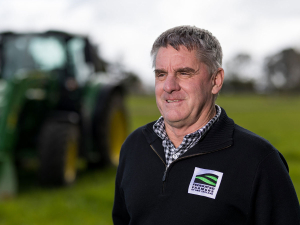
National’s pledge to introduce 19 new national standards shows the party is serious about getting Wellington out of farming, Federated Farmers says.
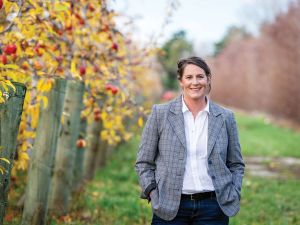
The National Party’s policies to make it easier to grow fresh vegetables, secure reliable water and energy and simplify farm planning are practical changes that will give growers the confidence to invest, according to Horticulture New Zealand (HortNZ).
Fonterra Co-operative Group chief financial officer Andrew Murray has resigned to take up a role outside the dairy giant.
A major move is about to get underway to improve the quality and viability of dairy beef and cattle in NZ.
Veterinarians say changes to the code of welfare for dairy cattle provides a positive foundation for improved cattle welfare across the country.
Today, 15 October, is the International Day of Rural Women, which recognises rural women’s contribution to farming, communities and the environment.




OPINION: The same mainstream media muppets that brought you Jacindamania in 2017 have been flat out pimping for the Opportunities…
OPINION: Your old mate reckons the atrocious way farmers in the UK are treated by their lords and masters in…




