Federated Farmers Welcomes ACT’s New Farming Policies
Federated Farmers has welcomed new rural policies released by ACT, saying they align closely with its own election priorities.




 increase font size
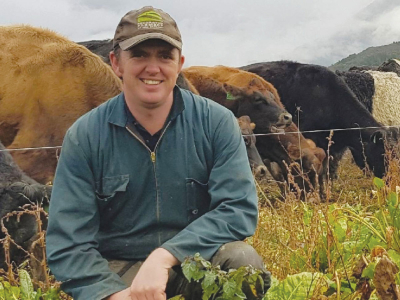 Golden Bay Fed Farmers president Wayne Langford.
The drought formally declared in the northern regions of the South Island is now extended into Marlborough, Buller and Nelson.
Agriculture Minister Damien O’Connor announced the extension of the ‘medium-scale event’, during a visit to Tasman last week, where he opened Golden Bay Fruit’s new packhouse in Motueka and met with drought-hit farmers in Takaka.
“The lack of substantial rain means the drought situation in Tasman’s neighbouring regions has reached the point beyond the rural community’s ability to continue farming or growing through it,” O’Connor says.
Ironically, he announced this as parts of the region received useful rain, enabling Tasman District Council to ease some water-use restrictions.
Golden Bay Federated Farmers president Wayne Langford, who farms at Takaka, says rain on the day of O’Connor’s visit followed a fall four days earlier. “So last night’s rain was follow-up rain, which is really important.”
There was also more water in the Takaka River. “That’s the first time the rain’s hit the river.”
The district had greened up and Langford hopes farmers are now managing their way out of the drought.
The Tasman District Council had been planning to increase irrigation restrictions to 50%, but is now able to keep them at 25%. Enough rain has fallen for most farmers to be able to turn irrigators off, Langford told Rural News.
However, he adds that farmers still need support. All the dry feed cows had been living on had got wet and was rotting, but the fresh green shoots were not yet enough to graze.
“So there’s this awkward little stage now for two weeks where farmers need to manage their cows and whatnot carefully to get them through.”
O’Connor says farmers and growers in parts of New Zealand are no strangers to hot dry summers, but the extreme and prolonged nature of the dry spell had taken its toll.
“Most notably, the water shortages and tough restrictions have meant that farmers have needed to take serious destocking measures, and horticulturists are having to choose which crops to let die off and which to water.
“We’re listening and we know this is a challenging time so we [will do] all we can to help those affected. However, it would be great to get some substantial rain in these areas.”
Federated Farmers has welcomed new rural policies released by ACT, saying they align closely with its own election priorities.

A farmgate milk price of $10/kgMS this season is firming up as milk powder prices soar and the New Zealand dollar weakens.
Federated Farmers is backing Feilding High School’s call to keep Agriculture and Horticultural Science as a standalone subject in Year 11.
National’s pledge to introduce 19 new national standards shows the party is serious about getting Wellington out of farming, Federated Farmers says.
Mobile phone coverage and reliability are deteriorating in rural areas, and farming families are bearing the cost, according to a Federated Farmers survey.


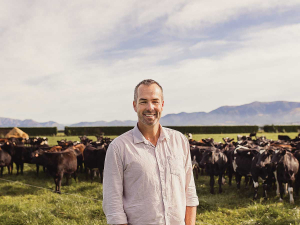
For Canterbury dairy farmer Cameron Henderson, supporting Meet the Need comes down to a simple question: how can the success of New Zealand farming benefit more than just those within the industry?
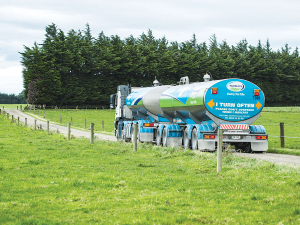
Fonterra board members are in line for a pay rise of around 3%.
Dairy processors are ready to further boost New Zealand’s export earnings but want the incoming government to match their ambition with good policy.
Massey University is best placed to solve the “problems” facing the dairy industry, says vice chancellor, Pierre Venter.
Synlait's longest serving employee – a man who joined the Canterbury-based milk processor even before it began processing milk – is now its newest executive.
A dairy industry leader believes eradicating the common and costly disease, Bovine Viral Diarrhoea (BVD) is within reach.



OPINION: The same mainstream media muppets that brought you Jacindamania in 2017 have been flat out pimping for the Opportunities…
OPINION: Your old mate reckons the atrocious way farmers in the UK are treated by their lords and masters in…




