
Federated Farmers Backs Year 11 Agricultural Science
Federated Farmers is backing Feilding High School’s call to keep Agriculture and Horticultural Science as a standalone subject in Year 11.




 increase font size
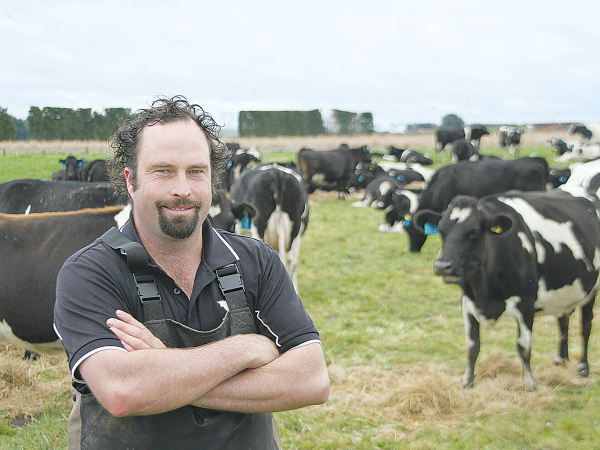 Richard McIntyre
Farmers are crying foul over changes announced by the Government this week to the Accredited Employer Work Visa (AEWV) scheme.
Federated Farmers dairy chair and immigration spokesman Richard McIntyre says the changes “have caused a lot of concern and confusion”.
Many farmers rely on migrant workers to work on dairy farms and orchards. McIntyre claims the changes came into force immediately and will make things a lot harder for farmers who are trying to bring in staff from oversees.
The changes include a shorter visa length of two years with a maximum continuous stay period of three years, and the introduction of a 12-month stand-down period at the end of the visa. There are also new minimum requirements when it comes to skills, work experience, advertising roles, and engaging with Work and Income.
McIntyre says Federated Farmers do not support many of these changes and have written to the Immigration Minister, Erica Stanford raising concerns and requesting an urgent meeting to discuss them.
“We’re concerned that these sudden changes will put a number of farmers in a difficult and unforeseen situation where they are unable to fill roles this season,” he says.
“This is a significant issue. Staff shortages can have a huge impact on health & safety, mental wellbeing, and animal welfare.
“There is also a risk that the standdown requirement will create a situation where skilled employees, who farmers have invested in, are picked up by other countries.”
According to Federated Farmers the key changes to the AEWV scheme are focused on those migrant workers who are entering, or have entered, New Zealand to work in ANZSCO Level 4 and 5 skill level roles. These changes apply from 7 April 2024. They include:
Federated Farmers is backing Feilding High School’s call to keep Agriculture and Horticultural Science as a standalone subject in Year 11.

National’s pledge to introduce 19 new national standards shows the party is serious about getting Wellington out of farming, Federated Farmers says.
Mobile phone coverage and reliability are deteriorating in rural areas, and farming families are bearing the cost, according to a Federated Farmers survey.
Central Otago District Council (CODC) has voted against a plan to spread treated sewage sludge from Cromwell and Alexandra on farmland near Lauder, a decision Federated Farmers says reflects strong opposition from rural residents.
Federated Farmers has called on Central Otago District Council (CODC) to drop or vote down a plan to truck sludge from Alexandra and Cromwell to farmland near Lauder, warning it would compound an "outrageous" situation created by a separate council's decision weeks earlier.


Alliance is calling for final applications for its 2027 Graduate Programme, with applications closing on Sunday 25 October.
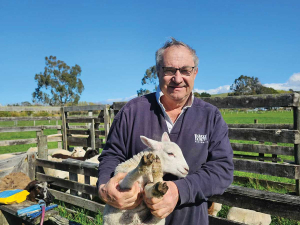
Decades piloting planes has ensured vet and farmer David Hayes is focused on safety. So, after a serious accident while welding on farm, he is sharing his experience so others can learn from it.
Canterbury milk processor, Synlait Milk has confirmed Leon Fung as its chief executive officer.
OPINION: Making it easier to collect rainwater and use it to grow crops and livestock is a no brainer.
As part of its Election 2026 coverage, Rural News asked political parties how they would help pull the arable sector out of the doldrums. Here's what they said:
Farmers are being encouraged to rethink how they manage waste on farm with the launch of ruralwastesorted.co.nz, a new website bringing together practical tips, real farmer experiences and resources.




OPINION: The same mainstream media muppets that brought you Jacindamania in 2017 have been flat out pimping for the Opportunities…
OPINION: Your old mate reckons the atrocious way farmers in the UK are treated by their lords and masters in…




