
M.I.A.
OPINION: The previous government spent too much during the Covid-19 pandemic, despite warnings from officials, according to a briefing released by the Treasury.




 increase font size
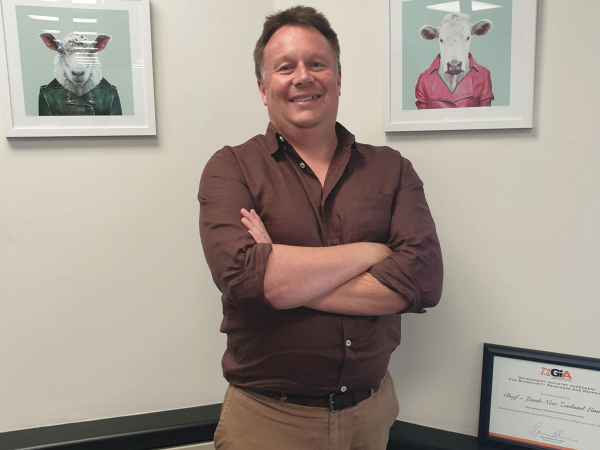 Will Halliday says it's a matter of having that plan in place before something happens.
Farmers are being urged to have good plans in place for dealing with any major community outbreak of Covid-19 and, in particular, the omicron variant.
Will Halliday of Beef+Lamb NZ is part of a pan-primary sector group - which include DairyNZ, MPI, the deer and pork industries and Federated Farmers - that have been preparing advice for farmers to deal with this contingency.
All of these organisations have advice on their respective websites aimed at making it easy for those in the primary sector to plan for such an outbreak.
There are also copies of this information in vet clinics and rural supply stores.
"It's all about how to keep you and your farm safe from Covid and, if by chance, you or someone on your farm tests positive and has to go to hospital or into isolation, having a written and readily available plan to get through this period."
Halliday says it's a matter of having that plan in place before something happens. He says it's a case of having an arrangement with someone or a number of people who might be able to help and having a check list and detailed plan of what to do on the farm to keep it running.
Halliday says the last thing anyone wants to happen is for a farmer to get infected and for this to spread up the supply chain. He says this could cause major disruptions with transport and processing plants and put others in the community at risk.
"Animal welfare on farm is also a major issue," he adds.
Halliday says on the one hand many sheep and beef farmers have the advantage of livinf in isolated areas, but they still have to have interactions with contractors and others in the rural community. He says BLNZ recommends that farmers get vaccinated and adds that any staff from his organisation who are interacting with farmers are all fully vaccinated.
OPINION: The previous government spent too much during the Covid-19 pandemic, despite warnings from officials, according to a briefing released by the Treasury.
OPINION: Labour leader Chris 'Chippy' Hipkins is carrying on the world-class gaslighting of the nation that he and his cohorts started after their disastrous Covid response; now trying to undermine the Covid inquiry to protect his own backside.
OPINION: Did former PM Jacinda Ardern get fawning reviews for her book?
OPINION: The good times felt across the dairy sector weren't lost at last week's Beef + Lamb NZ annual meeting.
Beef + Lamb New Zealand (B+LNZ) is calling on livestock farmers to take part in a survey measuring the financial impact of facial eczema (FE).


Federated Farmers has welcomed new rural policies released by ACT, saying they align closely with its own election priorities.

Rural Contractors NZ says proposed changes to land transport rules for agricultural vehicles are a welcome response by the Government to out of date regulations which have seen members hit with huge fines.
Alliance is calling for final applications for its 2027 Graduate Programme, with applications closing on Sunday 25 October.
Decades piloting planes has ensured vet and farmer David Hayes is focused on safety. So, after a serious accident while welding on farm, he is sharing his experience so others can learn from it.
Canterbury milk processor, Synlait Milk has confirmed Leon Fung as its chief executive officer.
OPINION: Making it easier to collect rainwater and use it to grow crops and livestock is a no brainer.



OPINION: The same mainstream media muppets that brought you Jacindamania in 2017 have been flat out pimping for the Opportunities…
OPINION: Your old mate reckons the atrocious way farmers in the UK are treated by their lords and masters in…




