Feds Back National’s 19 Farming National Standards
National’s pledge to introduce 19 new national standards shows the party is serious about getting Wellington out of farming, Federated Farmers says.




 increase font size
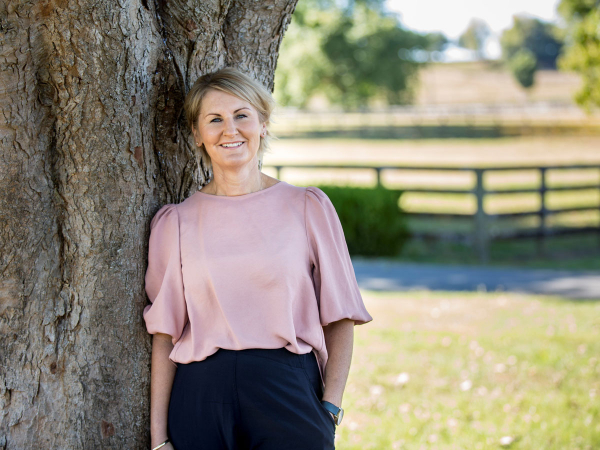 Justine Sclater, chief executive of the New Zealand Thoroughbred Breeding Association.
A new partnership between Federated Farmers and the New Zealand Thoroughbred Breeders’ Association (NZTBA) underlines the commitment of both organisations to helping their members be front-runners in caring for their animal and land.
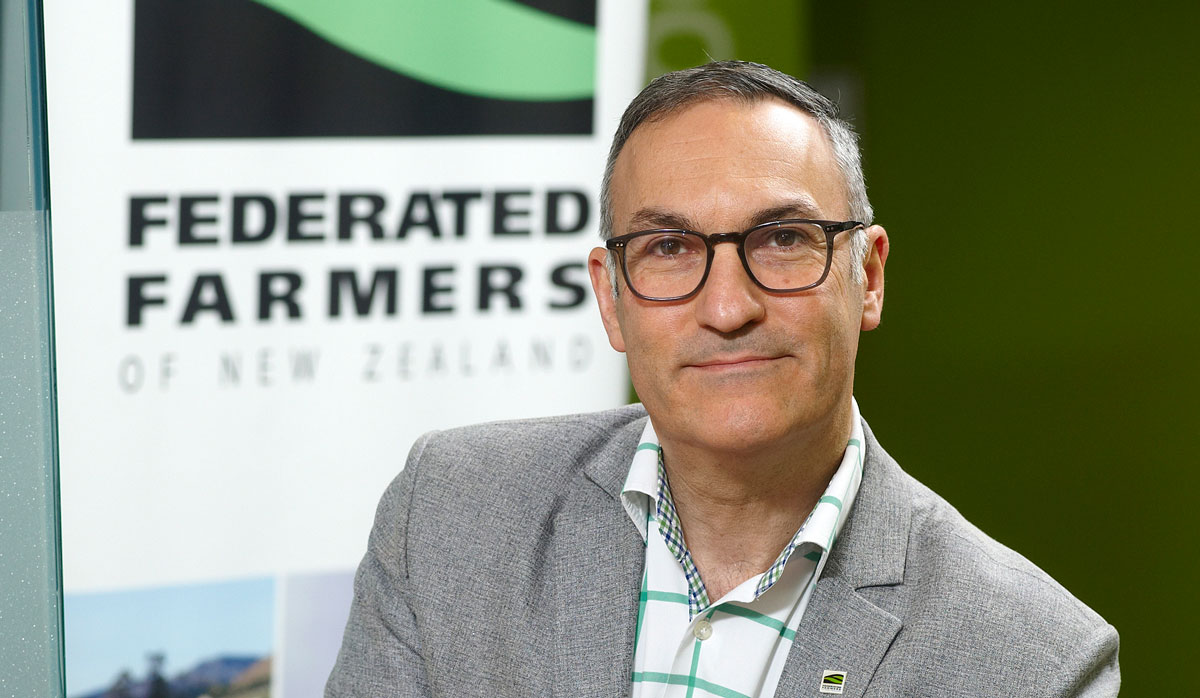
“Farmers who join the Federation have long recognised we’re stronger together,” says Federated Farmers chief executive Terry Copeland.
“With thoroughbred breeders also joining the fold, we have a bigger pool of resources and greater strength to our voice in our advocacy to politicians, decision-makers and government departments.”
As landowners, there are NZTBA members who already belong to Federated Farmers and the two organisations say partnership agreement will strengthen and develop those ties.
“We have a lot in common,” Copeland says, “Whether you’re a breeder of champion horses, a dairy or sheep farmer, you’re vitally interested in the welfare of your animals and being a good steward of your land. We’re all interested in ensuring government policies that affect our industries are sensible, practical and affordable.”
 |
|---|
|
Federated Farmers chief executive Terry Copeland. |
NZTBA chief executive Justine Sclater says believes the alliance adds value for the members of both organisations and to New Zealand.
“Thoroughbred breeding is a primary industry and many of the issues around environment, employment, and immigration legislation that Federated Farmers have been tackling are also faced by breeders. So it makes sense to join forces as a collective,” she says.
“The NZTBA is investing in conducting research into the environmental impacts of equine farming to ensure when we are representing our industry and we have scientific evidence to back our claims. We believe this is just one area where the partnership will be mutually beneficial.
“The New Zealand thoroughbred is a world-renowned product and we are a significant contributor to our local communities and the New Zealand economy.”
There are more than 4,000 thoroughbred breeders in New Zealand, directly employing a similar number of staff.
Their work underpins the racing industry, which directly employs another 45,000 New Zealanders.
“As a whole, the breeding and racing industry generates around $1.7 billion for the New Zealand economy,” Sclater says.
National’s pledge to introduce 19 new national standards shows the party is serious about getting Wellington out of farming, Federated Farmers says.
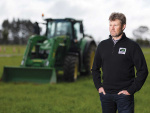
Mobile phone coverage and reliability are deteriorating in rural areas, and farming families are bearing the cost, according to a Federated Farmers survey.
Central Otago District Council (CODC) has voted against a plan to spread treated sewage sludge from Cromwell and Alexandra on farmland near Lauder, a decision Federated Farmers says reflects strong opposition from rural residents.
Federated Farmers has called on Central Otago District Council (CODC) to drop or vote down a plan to truck sludge from Alexandra and Cromwell to farmland near Lauder, warning it would compound an "outrageous" situation created by a separate council's decision weeks earlier.
Federated Farmers says new legislation replacing the Resource Management Act will cut red tape, unlock investment and help grow New Zealand's export-led economy, after the Planning Bill and Natural Environment Bill passed their third reading in Parliament yesterday.


Mark Hooper has been appointed the new chair of NZPork, the industry organisation representing New Zealand pig farmers.

As the India-New Zealand free trade agreement enters into force, New Zealand’s apple industry has reaffirmed its commitment to the long-term development of India’s apple sector.
Fonterra shareholders can begin voting on Tuesday 20 October in the 2026 Board of Directors’ election, a Co-operative Council election in one Ward, and seven Annual Meeting resolutions.
National’s pledge to introduce 19 new national standards shows the party is serious about getting Wellington out of farming, Federated Farmers says.
The National Party’s policies to make it easier to grow fresh vegetables, secure reliable water and energy and simplify farm planning are practical changes that will give growers the confidence to invest, according to Horticulture New Zealand (HortNZ).
Fonterra Co-operative Group chief financial officer Andrew Murray has resigned to take up a role outside the dairy giant.


OPINION: The same mainstream media muppets that brought you Jacindamania in 2017 have been flat out pimping for the Opportunities…
OPINION: Your old mate reckons the atrocious way farmers in the UK are treated by their lords and masters in…