Queensland Fruit Fly Movement Controls Lifted in Mt Roskill
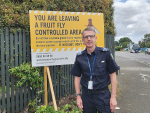
Controls on the movement of fruit and vegetables in the Auckland suburb of Mt Roskill have been lifted.




 increase font size
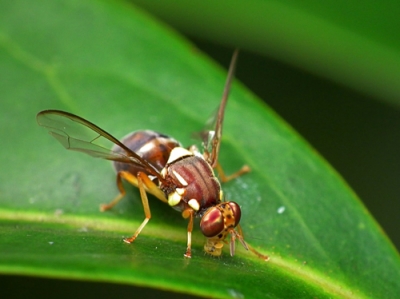 Queensland Fruit Fly.
Grower representatives will knock on doors in the Auckland suburb of Grey Lynn today to thank more than 300 households for helping save New Zealand's $6 billion industry from the Queensland Fruit Fly.
New Zealand was officially declared Queensland Fruit Fly Free on December 4, 10 months since the first of 14 flies was discovered in Grey Lynn during February.
The group of 12 from Kiwifruit Vine Health, Pipfruit New Zealand and Horticulture New Zealand will be delivering a gift card to every household in Zone A of the Queensland Fruit Fly Controlled Area. These are redeemable at one of six retailers also affected by movement controls put in place during the response.
Pipfruit New Zealand chief executive Alan Pollard says door knocking is a way to meet and shake hands with those residents whose daily lives were impacted the most and had the greatest responsibility of protecting growers' livelihoods and New Zealand's horticultural industry.
"We are looking forward to personally thanking Grey Lynn households and families who for the past 10 months have played a critical part in protecting our industry from an insect that put our $6 billion industry at risk."
Kiwifruit Vine Health chief executive, Barry O'Neil, says support from the local community during the response was essential in achieving a successful outcome.
"Without their co-operation over the last 10 months, eradication would have been far more difficult so we are very grateful for their ongoing assistance during a very inconvenient time for them.
As part of the eradication programme residents in Zone A were most affected by response activity and opened their backyards to have pest control teams set and monitor traps on their properties working day and night. No fruit has been able to be taken out of the area.
Simple things that other Kiwis have been taking for granted, like packing whole fruit into the school lunch box, have been prohibited.
HortNZ president Julian Raine says the New Zealand industry owes a deep debt of gratitude to the residents and retailers in the affected areas of Grey Lynn.
"We can't thank these people enough for their concern and vigilance."
The risk to the $6 billion New Zealand horticulture industry (including fruit, vegetables and wine) from the Queensland Fruit Fly was two-fold:
· the destruction caused by the pest and the on-going cost of attempting to control it, and
· the cost of international markets closing to our products.
It would also severely impact on hobby and household gardeners and the ability for New Zealanders to enjoy fruit grown in their own backyards.
Controls on the movement of fruit and vegetables in the Auckland suburb of Mt Roskill have been lifted.
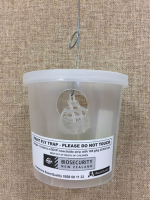
Not long after a few BMSB post-border detections were dealt with, another familiar biosecurity threat has raised its head.
Two more male Queensland fruit fly have been found in Northcote, bringing the total to six.
A second Queensland fruit fly has been discovered on Auckland’s North Shore.
A second type of fruit fly has been found in a surveillance trap in the Auckland suburb of Otara.


Healthy snacking company Rockit has announced Wang Yibo, one of China's most influential celebrities, as its new brand ambassador.
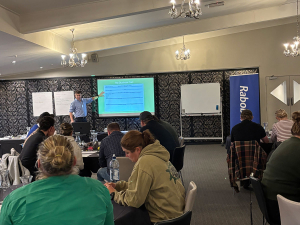
Rabobank has celebrated the tenth anniversary of its AgPathways Programme, with 23 farmers from Otago and Southland gathering for two-and-a-half days to learn new business management and planning skills.
Adopting strategies to reduce worm burden on farm goes hand-in--hand with best practice farm management practices to optimise stock production and performance, veterinarian Andrew Roe says.
Last night saw the winners of the 2026 Beef + Lamb New Zealand (B+LNZ) Awards named at a gala dinner at Te Pae Christchurch Convention Centre.
A 12-month pathway programme has helped kickstart a career in dairy for an 18-year-old student-turned-farmer.
Zespri says its global fruit sales revenue has reached a record NZ$5.9 billion from sales of 248.1 million trays.



OPINION: The old saying 'a new broom sweeps clean' doesn't always hold up, if you ask the Hound.
OPINION: This old mutt went to school to eat his lunch, but still knows the future of the country, and…