Failed milk plant not so happy in the valley
The company behind a failed milk plant project in Otorohanga faces de-registration in New Zealand next week.




 increase font size
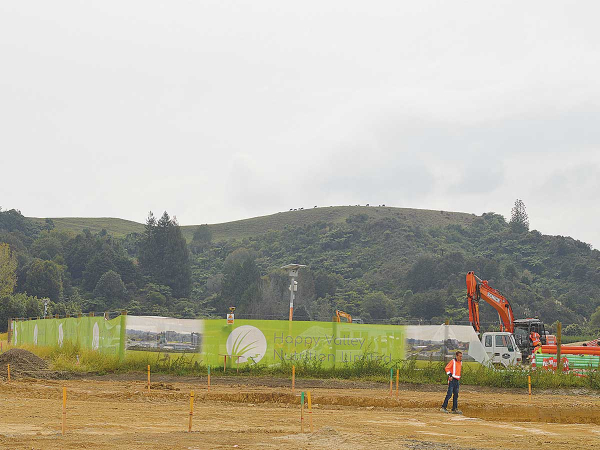 Construction of Happy Valley's milk processing plant at Otorohanga will finally start later this year.
Construction of Waikato's newest milk processing plant will finally start later this year.
A 6ha site is being prepared at Otorohanga for the $280 million Happy Valley Nutrition Ltd plant that will produce highvalu specialty dairy ingredient powders for export markets.
The project has been in the pipeline for several years as Happy Valley sought resource consents and funding. Covid-19 has also delayed the project by a few years.
In February, Happy Valley announced that it had taken out a $13m loan and secured $7.4m through secured private placement of convertible notes. The money was used to buy strategic farmland to irrigate wastewater from the plant.
The ASX-listed company plans to develop a single dryer facility with the site master-planned to allow for the addition of an extra drier as well as a blending and canning plant.
The company says $7 million has been budgeted for earthworks. The factory is expected to be commissioned in 2023.
Happy Valley chief executive Greg Wood says the start of earthworks is a “very notable milestone” for shareholders and investors.
“Our earthworks contractors are making solid progress, weather conditions have been favourable and critical works are advancing safely,” he told Rural News.
"It is very satisfying to witness this project finally emerging from what was until recently a paddock, and these earthworks are confirmation that Happy Valley is well into the physical development of what will be one of the most advanced nutritional grade processing facilities in the world.”
Site works include implementing access roads, drainage works, public road realignments and ground improvements for the spray dryer building.
“Performing earthworks now enables an efficient commencement of the construction phase of the facility,” Wood adds.
He says the recent funding Happy Valley has secured gives the company the necessary financial flexibility to ensure it meets immediate project delivery milestones.
Wood claims the company is also making “excellent progress” with respect to securing customers.
“Engagement is advancing with groups locally and from Europe, and Asia, which validates the strong demand for the speciality dairy products Happy Valley is targeting.”
Farm Deal
Happy Valley Nutrition has bought two lots of farmland - Waipa Meadows Farm and Lot 2 on Redlands Road - covering 166ha.
As part of the purchase agreement for Waipa Meadows, the fledgling dairy processor will enter into a 100-year leaseback agreement with the vendor who will continue to use the property as a dry stock farm to generate revenue.
The deal allows Happy Valley to irrigate wastewater from its proposed factory without relying on third party service providers.
Happy Valley says it will also improve the ecology of the waterways leading into the Waipa River through extensive tree planting and fencing along waterways.
Happy Valley chief executive Greg Wood told Rural News the settlement of the farm purchases marks another important milestone. He says the company aims to deliver its first nutritional grade products in less than two years.
“It is also further evidence of Happy Valley deploying recently secured capital and senior debt to advance the facility’s development.”
The company behind a failed milk plant project in Otorohanga faces de-registration in New Zealand next week.
The end of the road is nigh for a former Australian-listed company, Happy Valley Nutrition, behind a failed dairy factory project in Otorohanga.
The company behind a fledgling milk plant at Otorohanga in Waikato is focusing on specialised protein for its stage one development.
Construction of Waikato's newest milk processing plant will finally start later this year.
Waikato's newest milk processor says Covid-19 has slowed progress on the $280 million project.


Alliance is calling for final applications for its 2027 Graduate Programme, with applications closing on Sunday 25 October.
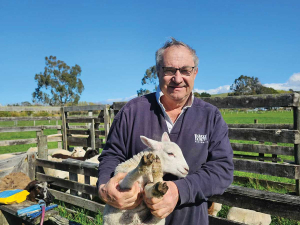
Decades piloting planes has ensured vet and farmer David Hayes is focused on safety. So, after a serious accident while welding on farm, he is sharing his experience so others can learn from it.
Canterbury milk processor, Synlait Milk has confirmed Leon Fung as its chief executive officer.
OPINION: Making it easier to collect rainwater and use it to grow crops and livestock is a no brainer.
As part of its Election 2026 coverage, Rural News asked political parties how they would help pull the arable sector out of the doldrums. Here's what they said:
Farmers are being encouraged to rethink how they manage waste on farm with the launch of ruralwastesorted.co.nz, a new website bringing together practical tips, real farmer experiences and resources.



OPINION: The same mainstream media muppets that brought you Jacindamania in 2017 have been flat out pimping for the Opportunities…
OPINION: Your old mate reckons the atrocious way farmers in the UK are treated by their lords and masters in…




