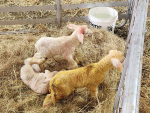
Beef + Lamb NZ's Lambing Kit Checklist for a Tough Season
With lambing underway in many regions, Beef + Lamb New Zealand is encouraging farmers to put together a wellequipped lambing kit to help minimise lamb losses, particularly in bad weather.




 increase font size
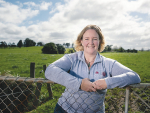
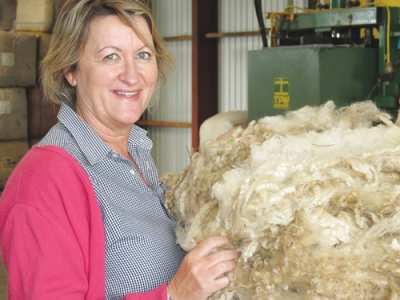 Philippa Wright (pictured), Wright Wool Ltd, says the sale last week was disappointing.
Three of New Zealand's leading independent wool brokers seek to reassure growers that the disappointing sale last week is likely to be a blip due to a perfect storm of events.
"Coming off one of the best seasons for wool for many years it was disappointing to witness a poor sale in Napier last week," says Philippa Wright, Wright Wool Ltd.
Last week saw 46% of wool passed in at Napier's wool sale and the South Island levels were firm with Napier.
"We will be going into the sale this week with an open mind and our advice is to hold tight for now, sell if you have to and keep sight of the fact that, even though the price has dropped from a buoyant run, it is holding at the same price it was a year ago," says Peter Tate, Fred Tate Wools Ltd.
A perfect storm of events has culminated in a unique situation in the auction house creating a degree of uncertainty and, understandably, forcing the industry to be cautious.
The very high NZ dollar, Brexit, Britain selling wool at much cheaper levels due to the drop in the pound, a slow-down in Chinese demand due to the weakening of their domestic economy, a build-up of wool inventories and the northern hemisphere being at the height of their holiday season have impacted on wool buying.
There is no history to draw on to know where these events will lead but our advice is to hold tight and let the situation settle.
"This situation is unique and given this we recommend that growers sit tight and wait for the traders to establish their levels again, says Richard Kells, Kells Wool Ltd.
"What we do know is that the demand for long wool remains firm and growers are prepared to set realistic reserves and accept that they may have to wait until September to see any improvement in demand, says Kells.
"If you don't have to sell then set reasonable reserves rather than dump large quantities of wool into what may be a fragile market, says Peter Tate.
Tate also reminds growers that while prices are down they are still a long way off lows of recent years.
With lambing underway in many regions, Beef + Lamb New Zealand is encouraging farmers to put together a wellequipped lambing kit to help minimise lamb losses, particularly in bad weather.

New Zealand wool is reaching new heights as air filtration companies move away from synthetic products to biodegradable alternatives.
Will a stronger, more coordinated voice help rebuild confidence and improve returns in the wool sector?
OPINION: Confidence in the wool sector is rebounding as prices hit levels not seen in more than 15 years.
The recently signed free trade agreement with India is an invitation to strengthen relationships between the New Zealand and Indian strong wool industries, says Wool Impact chief executive Andy Caughey.


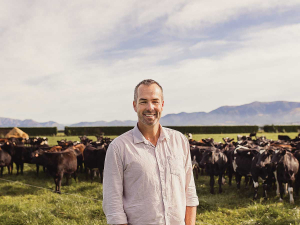
For Canterbury dairy farmer Cameron Henderson, supporting Meet the Need comes down to a simple question: how can the success of New Zealand farming benefit more than just those within the industry?
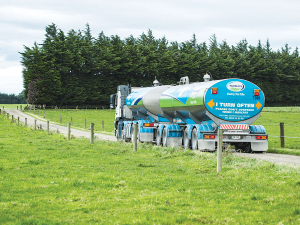
Fonterra board members are in line for a pay rise of around 3%.
Dairy processors are ready to further boost New Zealand’s export earnings but want the incoming government to match their ambition with good policy.
Massey University is best placed to solve the “problems” facing the dairy industry, says vice chancellor, Pierre Venter.
Synlait's longest serving employee – a man who joined the Canterbury-based milk processor even before it began processing milk – is now its newest executive.
A dairy industry leader believes eradicating the common and costly disease, Bovine Viral Diarrhoea (BVD) is within reach.

OPINION: The same mainstream media muppets that brought you Jacindamania in 2017 have been flat out pimping for the Opportunities…
OPINION: Your old mate reckons the atrocious way farmers in the UK are treated by their lords and masters in…




