Farm Safety Improves Through 'Incremental Gain', Says Birkett
Improving health and safety is about incremental gain rather than a sudden decision, says Leeston farmer and Federated Farmers health and safety spokesman David Birkett.




 increase font size
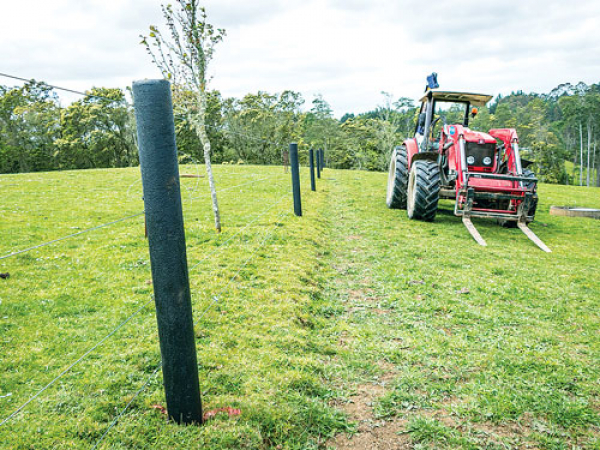 An agricultural fencing sole trader has been sentenced after failing to ensure one of his employees wore correct protective gear.
A Kaikoura employer who didn’t provide appropriate eye protection has been sentenced for failings that cost a young worker his vision in one eye.
Daniel Anderson, an agricultural fencing sole trader, had a 17-year-old worker who was chiselling when a piece of metal flew into his right eye in March 2020. Despite multiple surgeries, the teenager lost sight in the eye.
Anderson did not notify WorkSafe of the injury, as required by the Health and Safety at Work Act 2015. Several months later the victim’s mother did so, triggering an investigation.
When a WorkSafe inspector asked Anderson whether he told workers to use protective gear, his response was “I’m not their mother and going to dress them every morning”.
Anderson confirmed he had not provided full instruction to the victim on the use of personal protective equipment (PPE), such as safety glasses, because in his words “it was common sense”.
Anderson also indicated to WorkSafe he felt it was too expensive to buy PPE, saying “I’m too small for that sort of… carry on”.
Anderson was sentenced at Kaikoura District Court on 15 July.
Judge Raoul Neave ordered $22,500 be paid for emotional harm and consequential loss, given Anderson’s lack of insurance and inability to pay a fine.
WorkSafe’s national manager of investigations, Hayden Mander says the employer’s comments reflect an outdated, unacceptable, and cavalier attitude.
“A young man at the start of his working life now has seriously impaired vision. It’s astounding for an employer to not understand the seriousness of the situation,” says Mander.
“The cost of health and safety is part of the cost of doing business. The worker should have been provided with appropriate PPE, including eye protection, and required to wear it when using a chisel and hammer or any other task where there is a risk of an eye injury.”
Workers who are vulnerable because of age, inexperience, or conditions of employment may be less likely to question health and safety practices of to speak up if they are unsure.
“Beyond the obvious health and safety gaps in this case, it’s both illegal and morally wrong for an employer of any size to not notify WorkSafe of an incident like this. No employer is exempt,” says Mander.
Improving health and safety is about incremental gain rather than a sudden decision, says Leeston farmer and Federated Farmers health and safety spokesman David Birkett.
A safety push across New Zealand has revealed significant gaps in hazardous substances management, farm vehicles, tractors, quad bikes and side-by-sides.
Decisions you make in an instant on the farm can be the difference between life and death.
Keeping healthy and safe during vintage 2026
Following a side-by-side rolling into a gully, Safer Farms has issued a new Safety Alert.



Celebrating 50 years in the rural landscape of Central Canterbury and beyond, Ashburton-based Carrfields, has been the exemplar for all aspects of modern agriculture via its extensive range of services including supply, growing, agronomic advice and marketing.
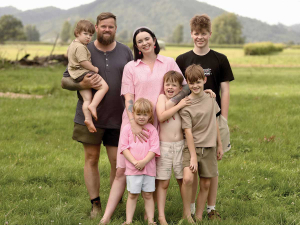
For Taupiri dairy farmers Logan and Sian Dawson, their involvement in the NZ Dairy Industry Awards has been a key catalyst in the growth of their business - the experience helping shape how they approach the farm ownership pathway they are pursuing today.
West Otago dairy farmer Luke Kane has been awarded the 2026 Rabobank Dr John Morris Business Development Prize.
OPINION: As the general election approaches, political parties are churning out policies in the hope of attracting more votes.
An LIC bull, Tronnoco AR Sadio-ET S3F, bred by Tony and Keri O'Connor of Tronnoco Farming Co Ltd near Timaru, has won the 2026 Mahoe Trophy.
With forecasters advising El Niño conditions will develop through winter and strengthen into spring and summer, Ballance Agri-Nutrients is encouraging farmers and growers to think ahead about nutrient planning and be prepared to work around challenging weather conditions.



OPINION: The same mainstream media muppets that brought you Jacindamania in 2017 have been flat out pimping for the Opportunities…
OPINION: Your old mate reckons the atrocious way farmers in the UK are treated by their lords and masters in…